


 Publish
 Videos
 Articles
 Events
 EN
EN 1080P 1080P
 Add to Channel Download Photo Album 5 Report
Playing issue
Reported video:存档失败-李珺-2018
Streaming issue
Progress bar not working
Loading animation issue
Black screen
Other
Description:
Send
存档失败-李珺-2018 Original
Interaction Projection
 249
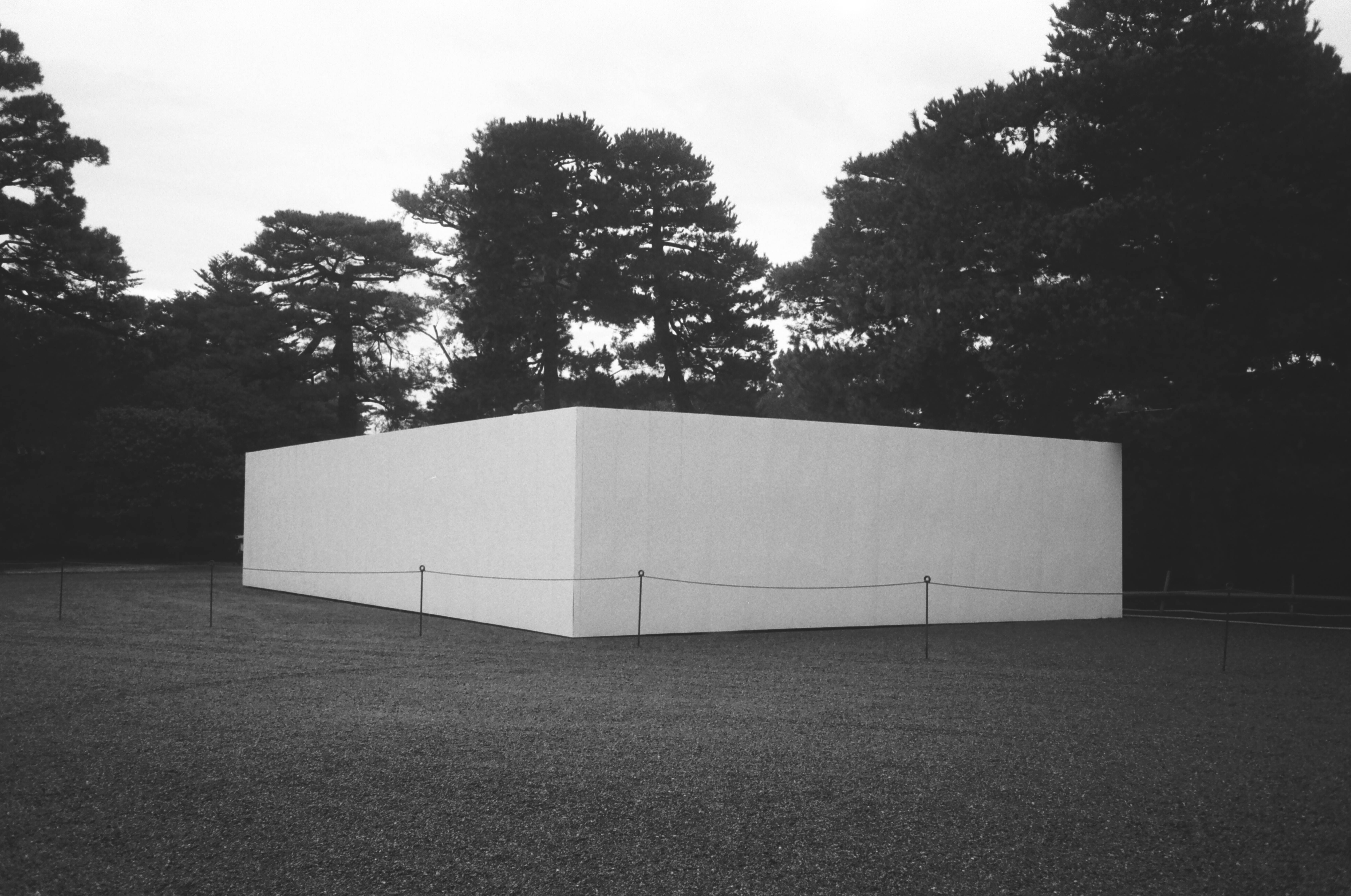
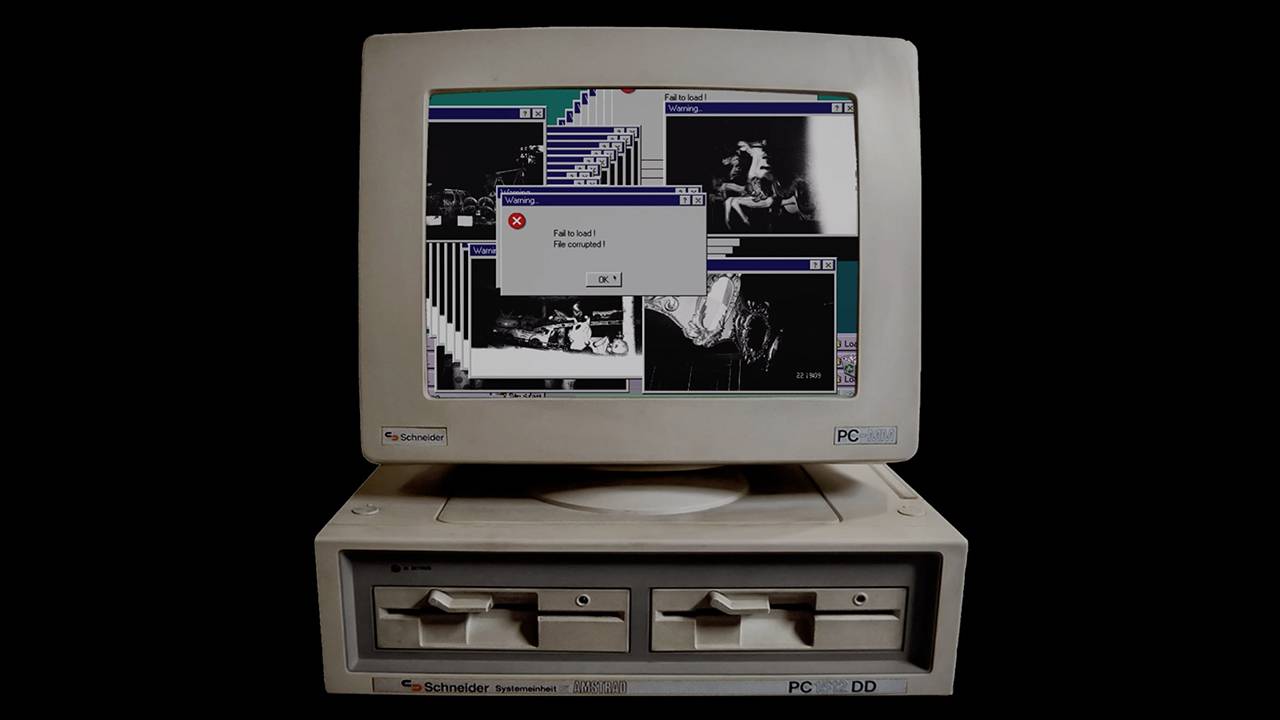
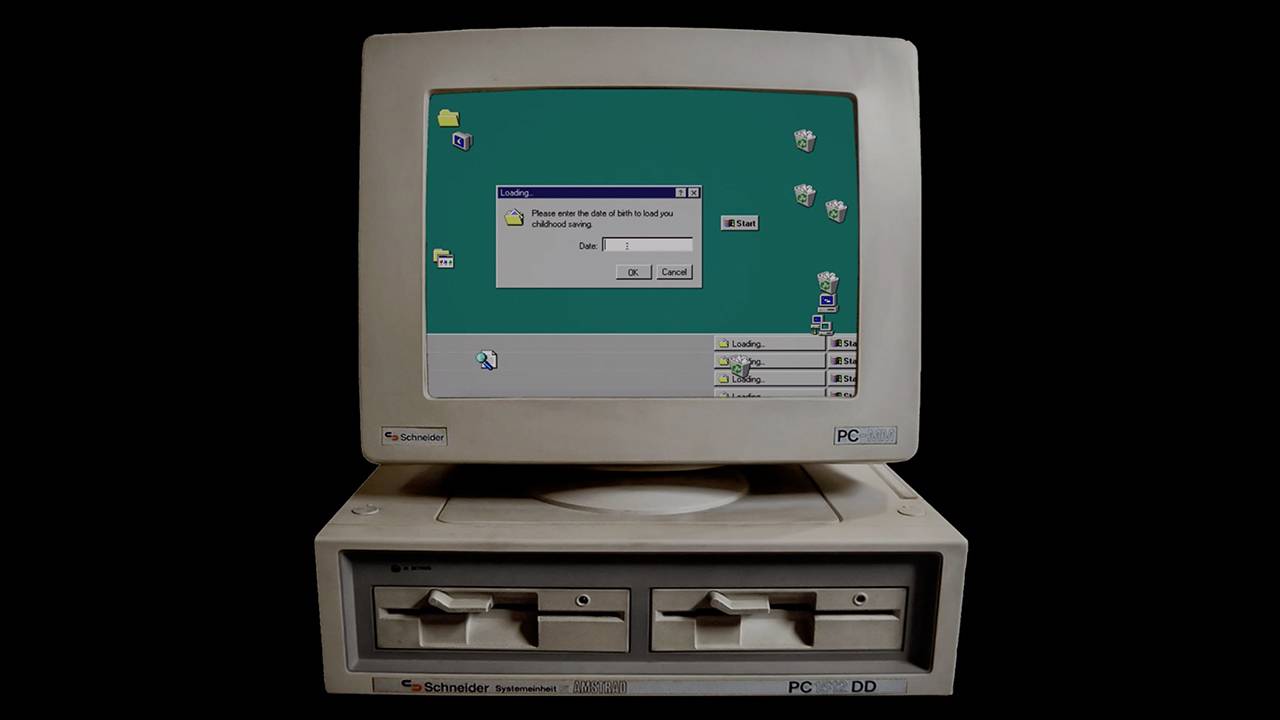
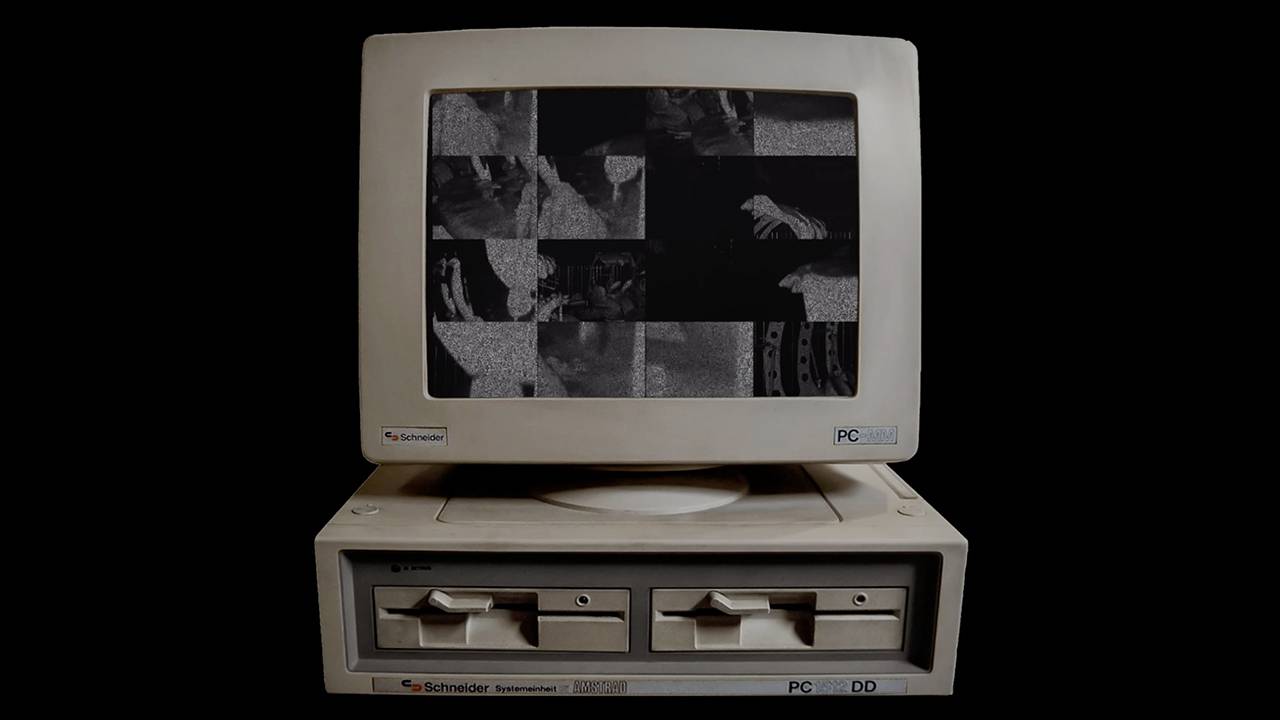
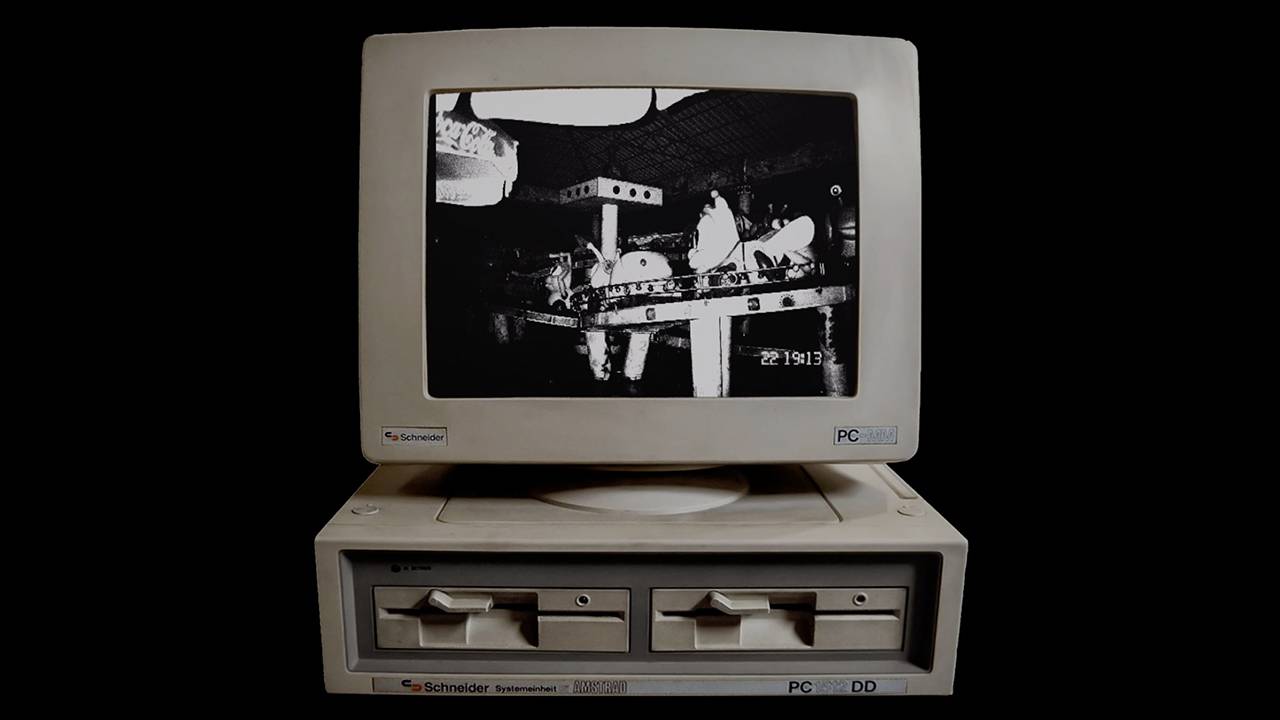
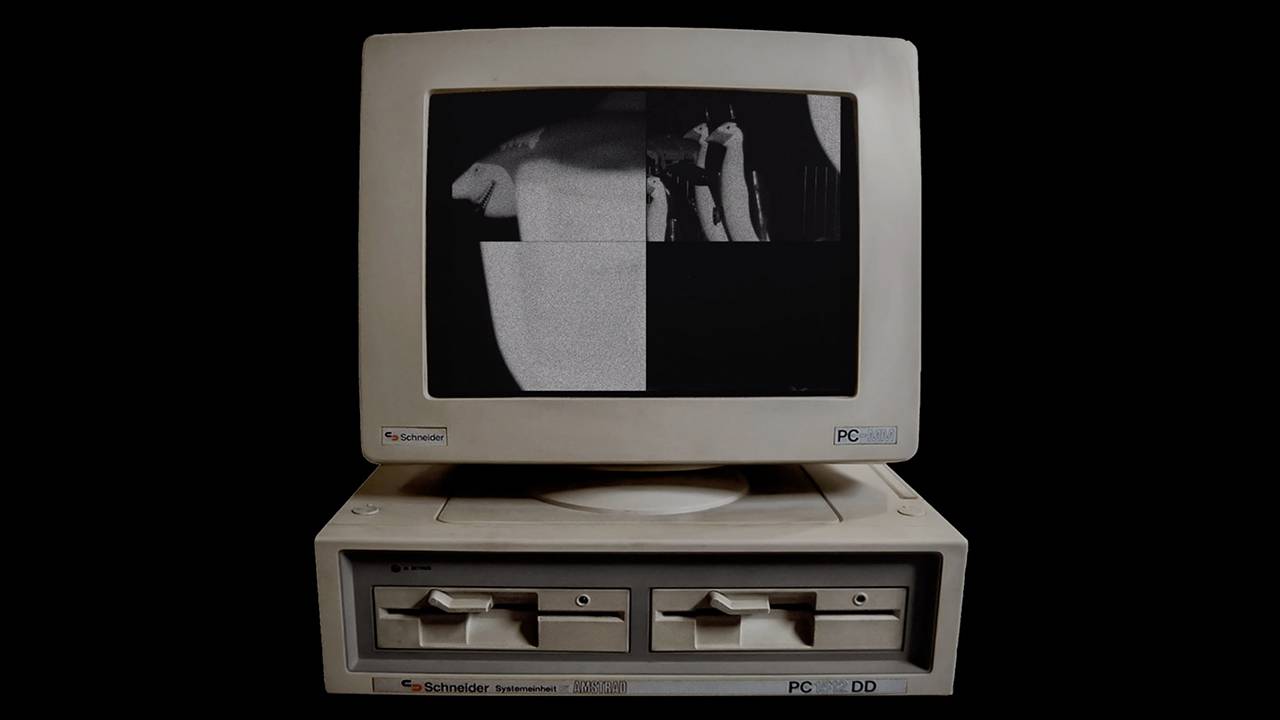
249童年游乐场作为一个儿时回忆的载体,每每顺藤摸瓜思索过去,都希望它能像一个游戏存档点直接可以点击翻阅。然而生命继续延伸,游戏无法真实保存。
作品以人民公园年代久远的游乐场,和Windows95操作系统作为背景,进行二次影像与互动装置创作。以九十年代电脑、电视为媒介。观展者可以通过电脑搜索自己的童年游乐场记忆,企图能以此架起回忆桥梁,重叠连接大脑时空。
但记忆模糊破碎,存档早已失败,这是一场终究只有路边风景却没有结果的旅途,生命游戏中的童年部分再也无法读档。
As a carrier of childhood 87 memories, the children’s playground often makes one contemplate their past, wishing that it could be directly saved and clicked through like an archive. However, life goes on, and this game cannot truly be saved. Li utilizes the vintage playground in People’s Park to recreate the video works and play on the 1980s televisions, which are used as a medium and a bridge for memories, realities, and thoughts to connect and overlap. However, the datas are failed to save long ago, and the memories have become fuzzy and fragmented. Eventually, it is only a one-way endless journey——the childhood chapter of life’s game can no longer be read.
Software(s): HTML5
Photo Album
Recommended
Autoplay


 01:00
01:00 《科幻世界》宇宙之门艺术展——星空森林探险
ProjectionInteractive MappingInteractiveInteractive VideoInteractive Installation
 02:23
02:23 珐琅丝旅——Projection Mapping
Traditional CultureSculptureProjectionVirtuality and RealityDigital Video

Comments
Please Log in or Register to comment