


 Publish
 Videos
 Articles
 Events
 EN
EN 1080P 1080P
 Add to Channel Download Photo Album 4 Report
Playing issue
Reported video:Materiable
Streaming issue
Progress bar not working
Loading animation issue
Black screen
Other
Description:
Send
Materiable
 3102
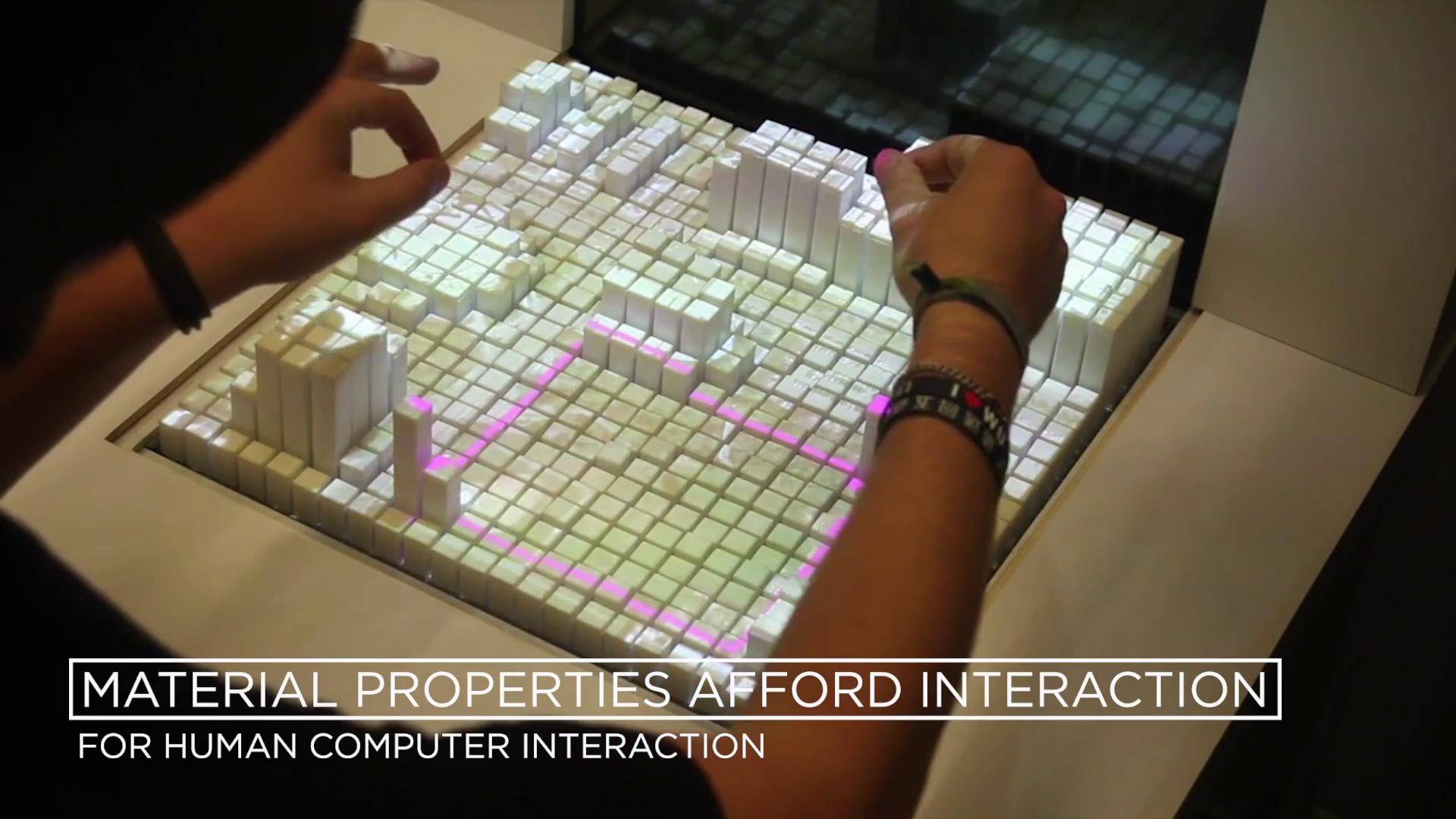
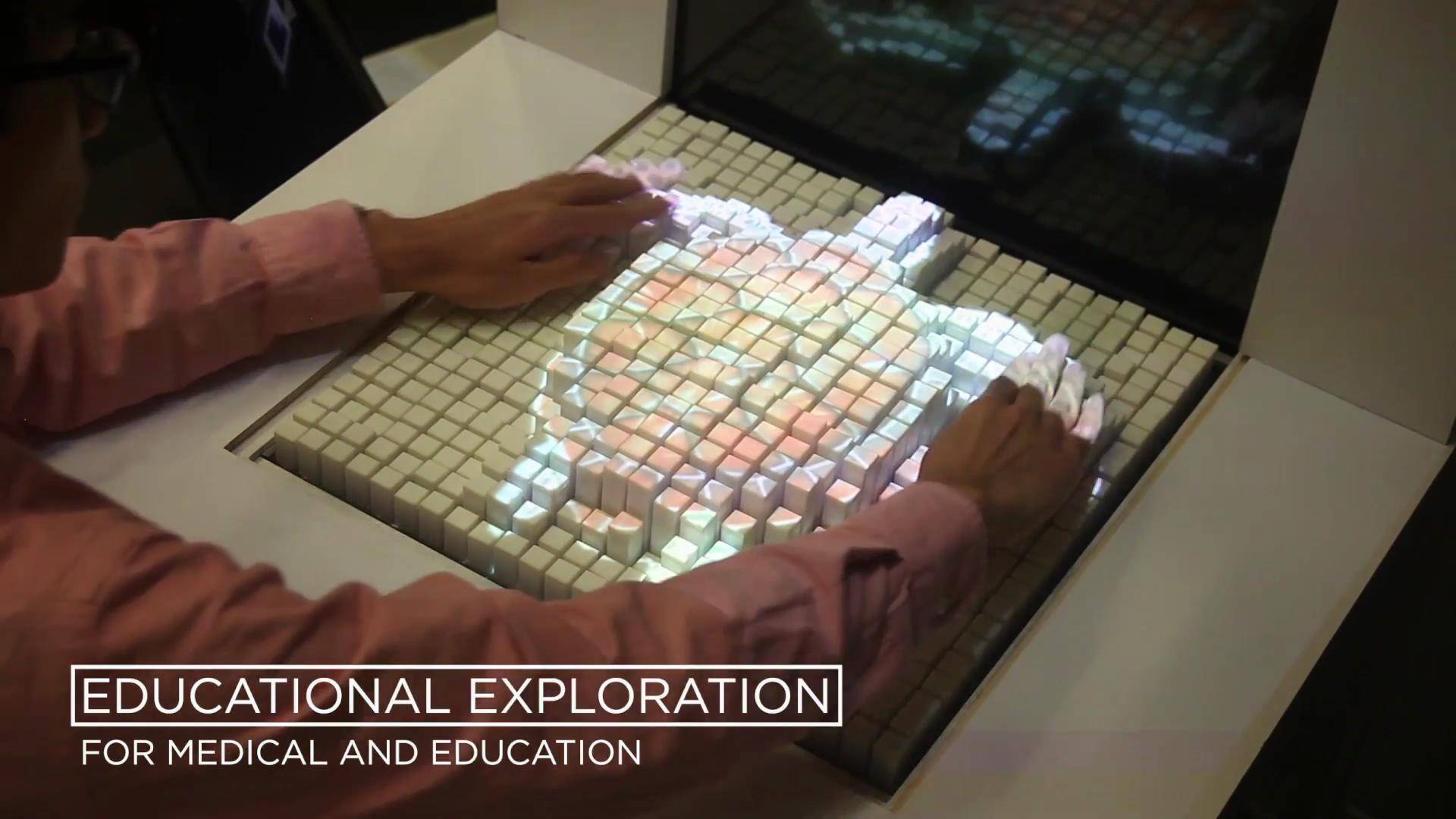
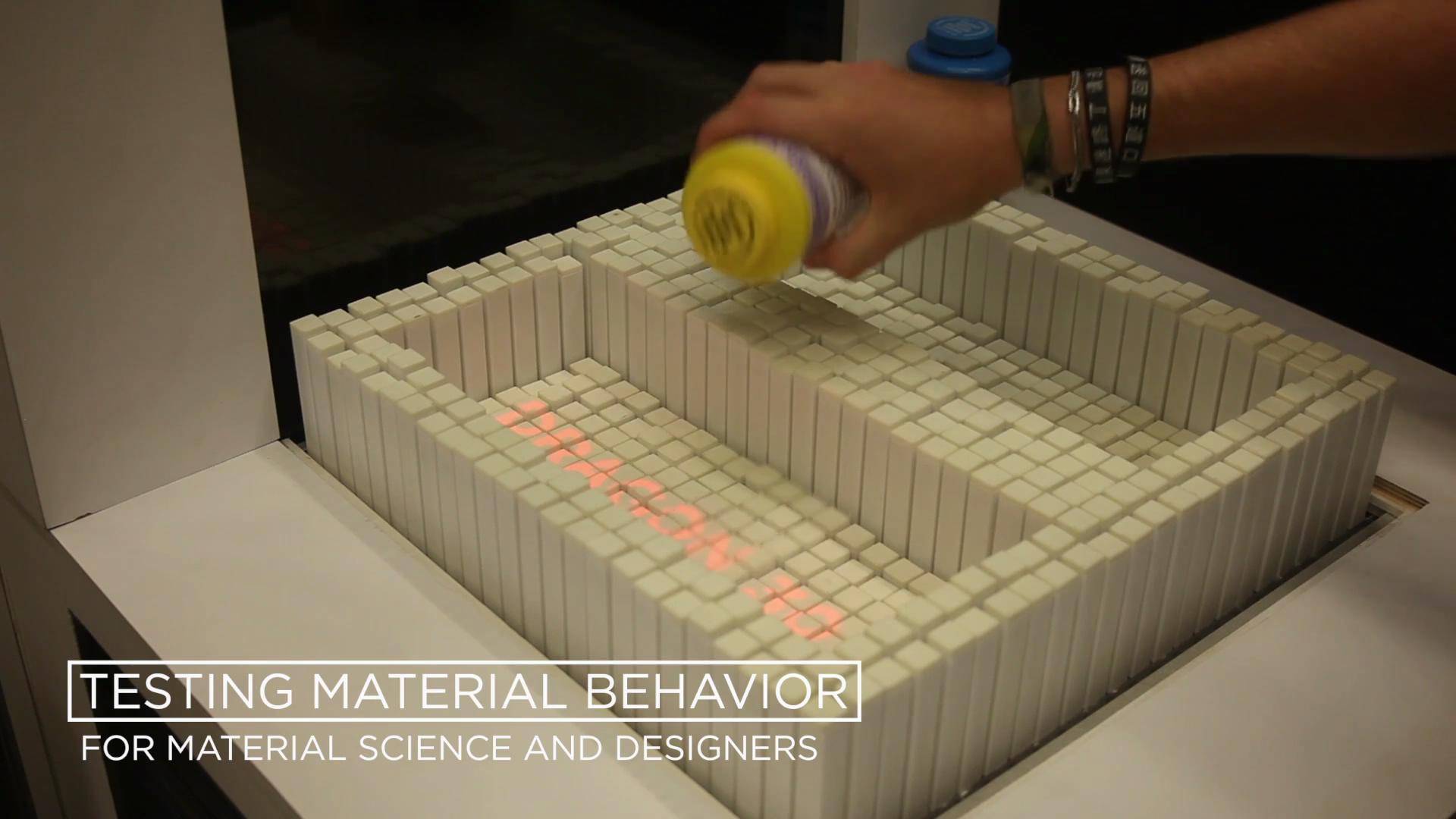
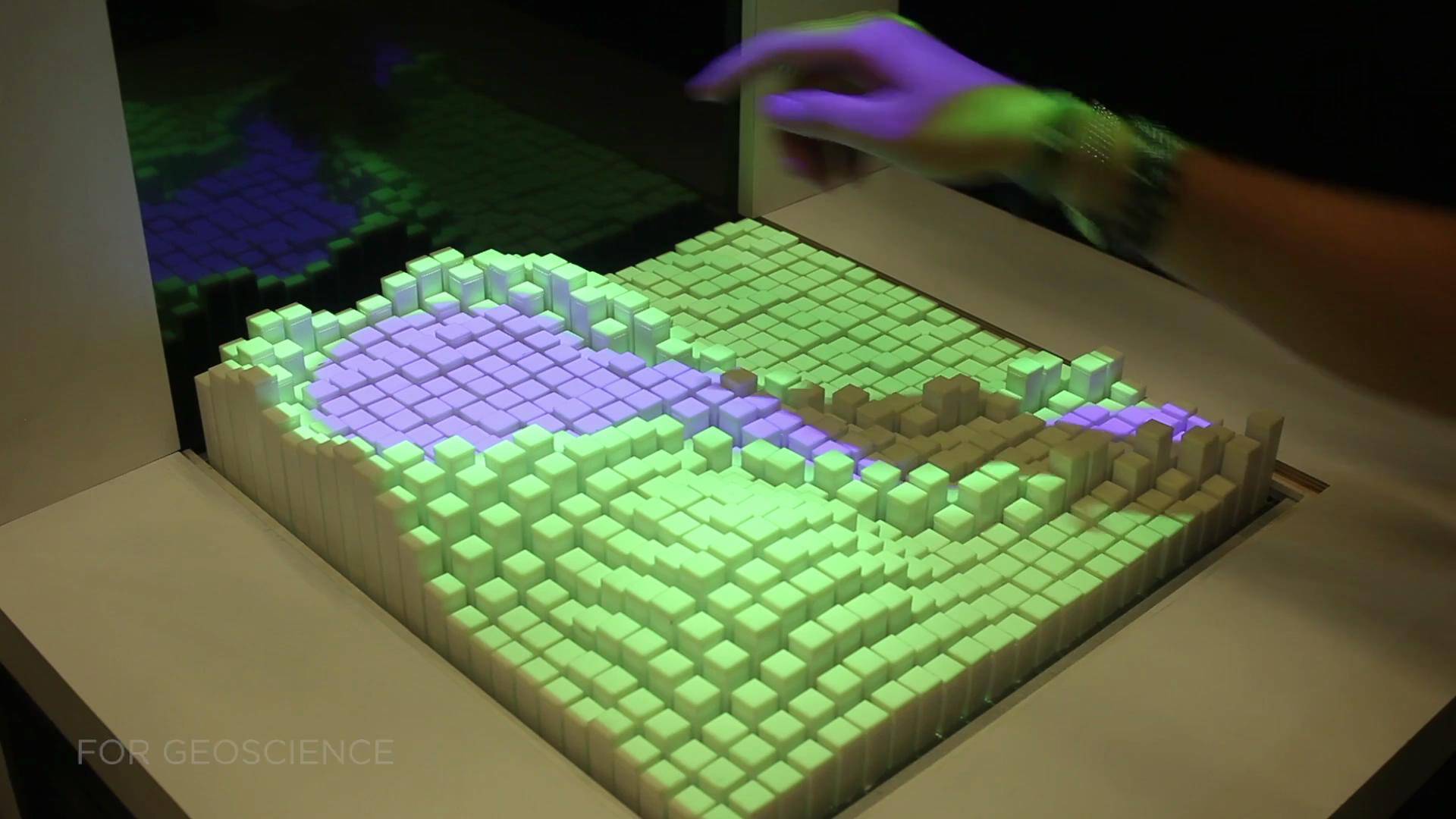
3102Shape changing interfaces give physical shapes to digital data so that users can feel and manipulate data with their hands and bodies. However, physical objects in our daily life not only have shape but also various material properties. In this project, we propose "Materiable," an interaction technique to represent material properties using shape changing interfaces. Specifically, by integrating the multi-modal sensation techniques of haptics, our approach builds a perceptive model for the properties of deformable materials in response to direct manipulation without precise force feedback.
As a proof-of-concept prototype, we developed preliminary physics algorithms running on pin-based shape displays. The system can create computationally variable properties of deformable materials that are visually and physically perceivable. In our experiments, users identify three deformable material properties (flexibility, elasticity and viscosity) through direct touch interaction with the shape display and its dynamic movements.
Our research shows that shape changing interfaces can go beyond simply displaying shape allowing for rich embodied interaction and perceptions of rendered materials with the hands and body.
Credits:
Ken Nakagaki*, Luke Vink*, Jared Counts, Daniel Windham, Daniel Leithinger, Sean Follmer, Hiroshi Ishii
* Contributed Equally
The Tangible Media Group, led by Professor Hiroshi Ishii, explores the Tangible Bits vision to seamlessly couple the dual world of bits and atoms by giving physical form to digital information.
Humans have evolved a heightened ability to sense and manipulate the physical world, yet the Graphical User Interface (GUI) takes little advantage of this human capacity. A Tangible User Interface (TUI) builds upon our dexterity by embodying digital information in physical space. TUIs expand the affordances of physical objects, surfaces, and spaces so they can support direct engagement with the digital world. However, TUIs have limited ability to change the form or properties of physical objects in real time. This constraint can make the physical state of TUIs inconsistent with the underlying digital models.
http://tangible.media.mit.edu/
Photo Album
Recommended
Autoplay

Innovative gesture interaction empowering digital automotive showcases.
Gesture interactionInteractive
 00:56
00:56 给古老的皮影,做了个新玩法 | VibeCoding
AIInteractive ARInteractiveInteractive VideoInteractive Installation


Comments
Please Log in or Register to comment