


 Publish
 Videos
 Articles
 Events
 EN
 1080P 1080P
Add to Channel Download Photo Album 9 Report
Playing issue
Reported video:《自愈功能》|许毅博
Streaming issue
Progress bar not working
Loading animation issue
Black screen
Other
Description:
Send
《自愈功能》|许毅博 Original

 14946
Creators

 MAPPINGRobotImmersiveDigital ArtHolographic MappingInteractive Installation
影像艺术
Interactive Design交互影像
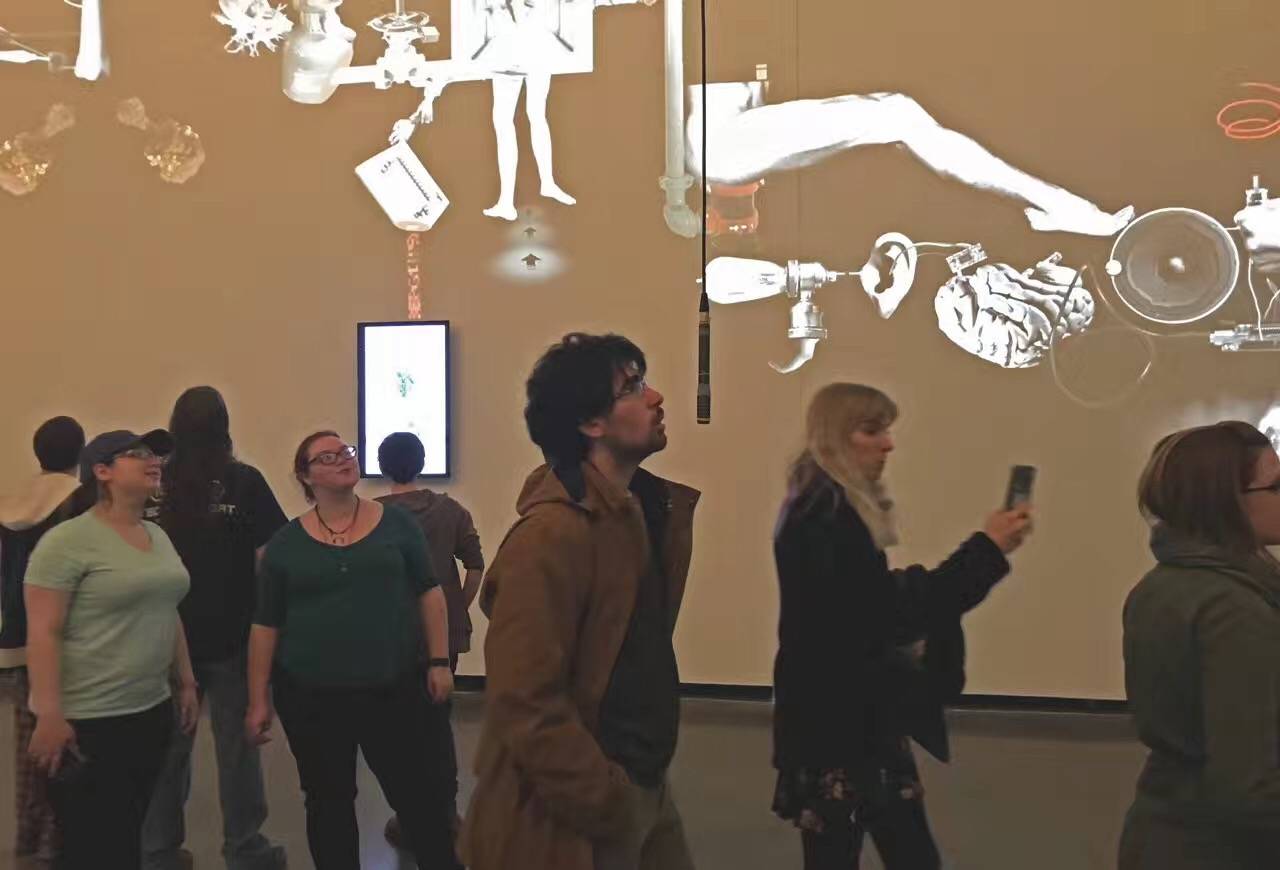
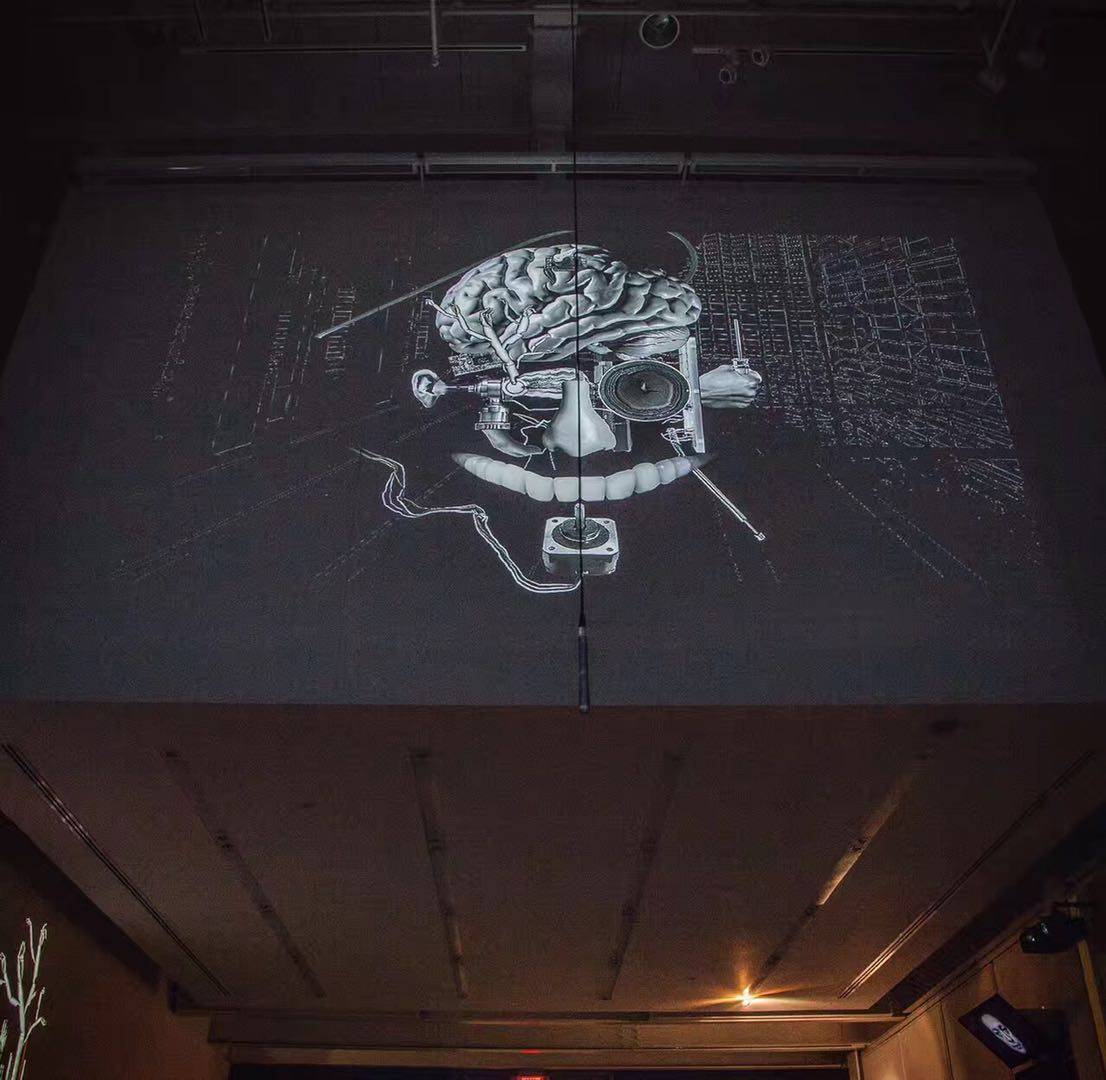
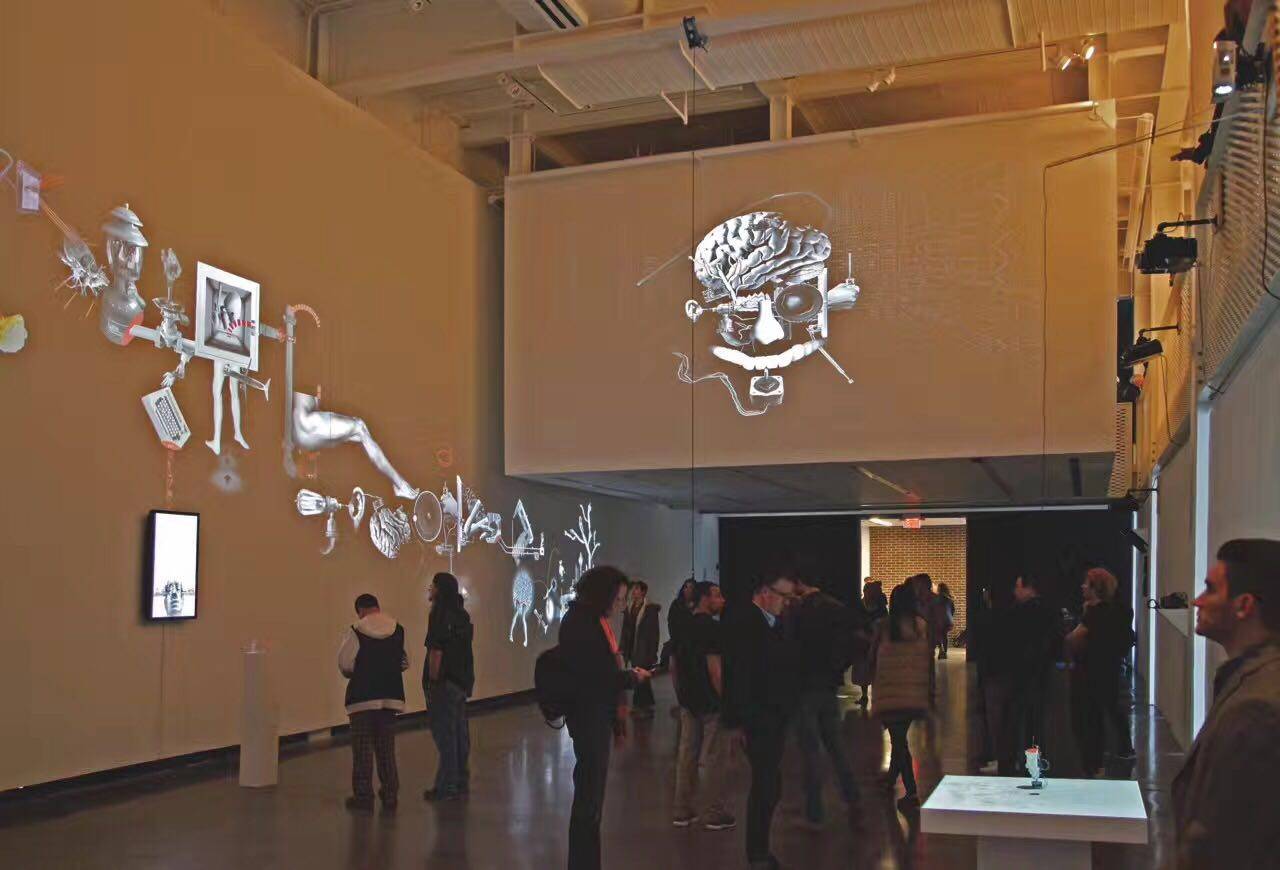
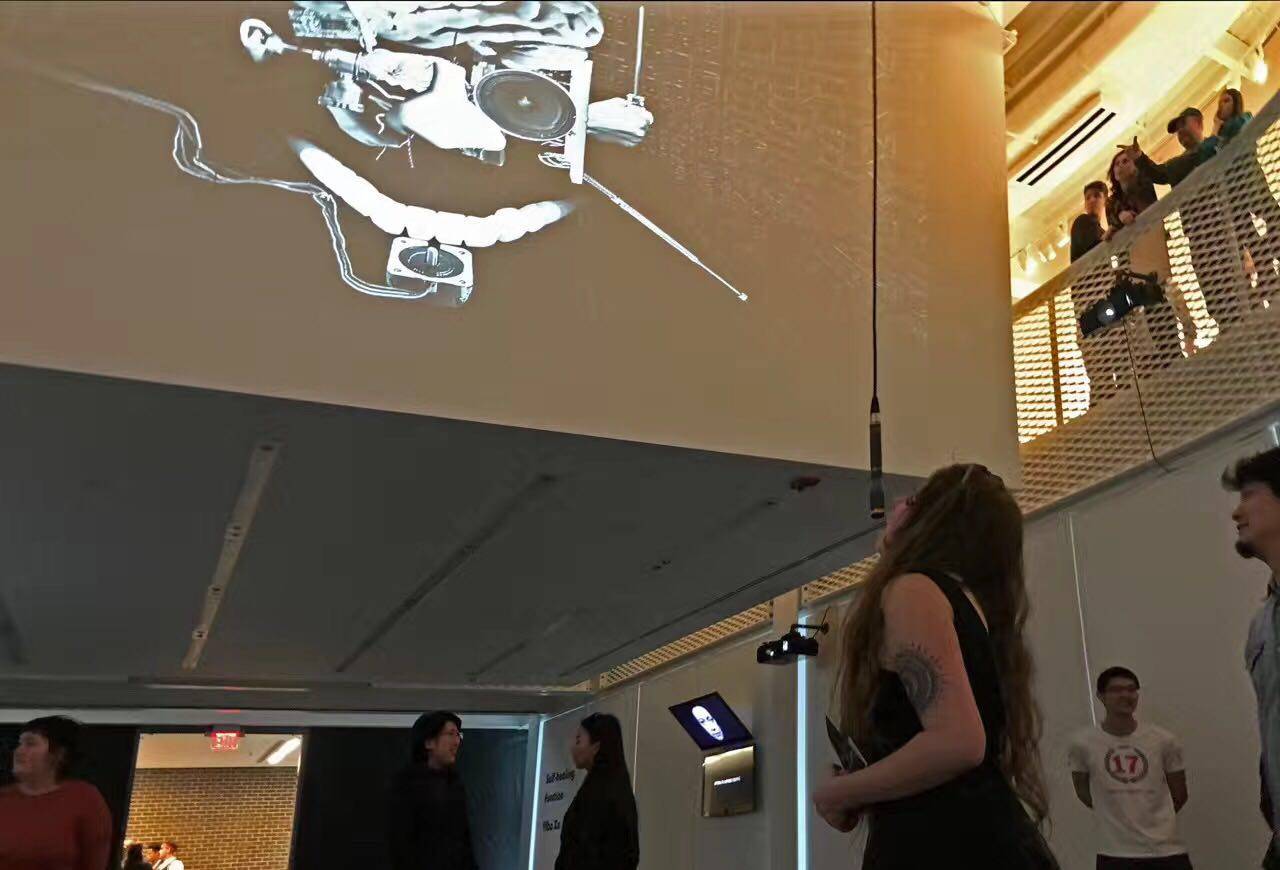
In post human society, people and industrial products continue to blend and collide. In the context of post life 3.0, how can we define the boundary of human ontology when human consciousness and body can be uploaded or replaced like computer software and hardware. The combination of human and machine comes from looking for an extension of organs, from the use of machines to the auxiliary enhancement of mechanical bones to the limit of human body, and then to the brain computer interface to form today's "God power". Human beings need to be vigilant in the process from "believing in God" to "replacing God". Where is the boundary of the proposition or concept of "man"? The reason why people are called people is also full of human weaknesses and limitations. When the concept of people relies on science and technology to expand infinitely to reach the critical point, it may indicate that people are like a bubble. They can't load more energy and will burst in an instant. The boundary of people's Noumenon is blurred in the process of continuous repair and expansion. In 1960, Norbert Wiener, the father of cybernetics, published a short article entitled "some moral and technical requirements of automation". Wiener pointed out that around 1960, machines had become very effective and even dangerous things because they had "a certain degree of thinking and communication" ability, which went beyond the limitations of designers. He assumed a situation based on the cybernetic system, if a machine has the function of automatic operation and learning and is trained to play a button game that can start real nuclear war. As long as the rules of the game are followed, these machines may do anything to win, including pressing the button, even at the cost of human survival. The speed of machine "evolution" has become so fast, smart and irrevocable that unlike humans in the industrial age, we have lost the supremacy of the ruler. The era of human being ruled by machines, which Butler worried about and vividly depicted in his novel, has begun to become a reality. "We may not be awake yet. It's too late to turn it off."
The development of science and technology triggered the industrial revolution. The revolutionary progress in many fields from 1960 to 1970 led to a new awakening of the relationship between man and machine. This awakening also led to the division of human traditional values. The process of bridging this gap needs to constantly balance the relationship between man and machine, man and technology. I would like to quote Asimov's motivation of putting forward the three laws of robot for the first time in his short story "run around" in 1942 as the end of the theme exhibition. Because when we don't know how the future will develop, the only thing we can do is to make the rules that guide us into the future as much as possible.
Xu Yibo
Alfred NY
Software(s): Cinema 4DMax/MspProcessingTouchDesigner
Hardwares: Arduino
Photo Album
+2

Recommended
Autoplay

JOURNEY TO THE OPERA FUTURE-IMMERSIVE ROBOTIC OPERA ROCK CONTEMPORARY THEATER
Audition & PerformanceVideoInstallation

 01:08
磁力翻转屏 Flip-dot display 机械翻转点阵屏
Product DesignSpace DesignPublic ArtArt VideoInstallationInteraction

 05:35
Sunlite Suite 3 - 3. Live control & Stand Alone Use
LightInteractive LightLight ShowLight Installation
 00:30
An immersive interactive installation
ProjectionInteractive AudiovisualInteractive MappingInteractiveInstallation


Comments
Please Log in or Register to comment