


 Publish
 Videos
 Articles
 Events
 EN
EN 1080P 1080P
 Add to Channel Download Photo Album 5 Report
Playing issue
Reported video:异象Atlas alienation
Streaming issue
Progress bar not working
Loading animation issue
Black screen
Other
Description:
Send
异象Atlas alienation Original
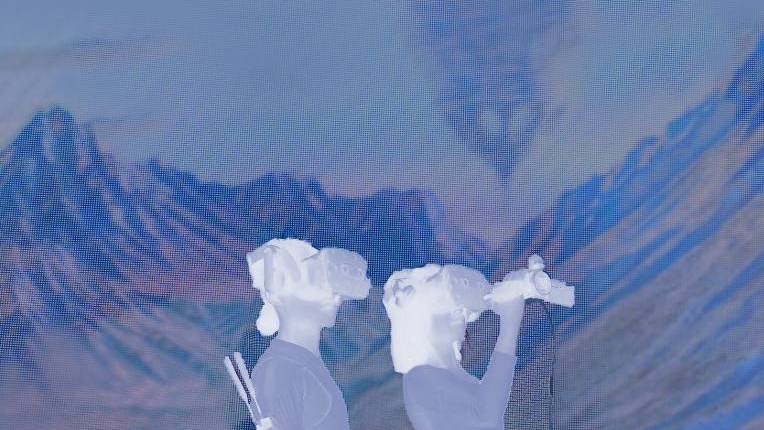
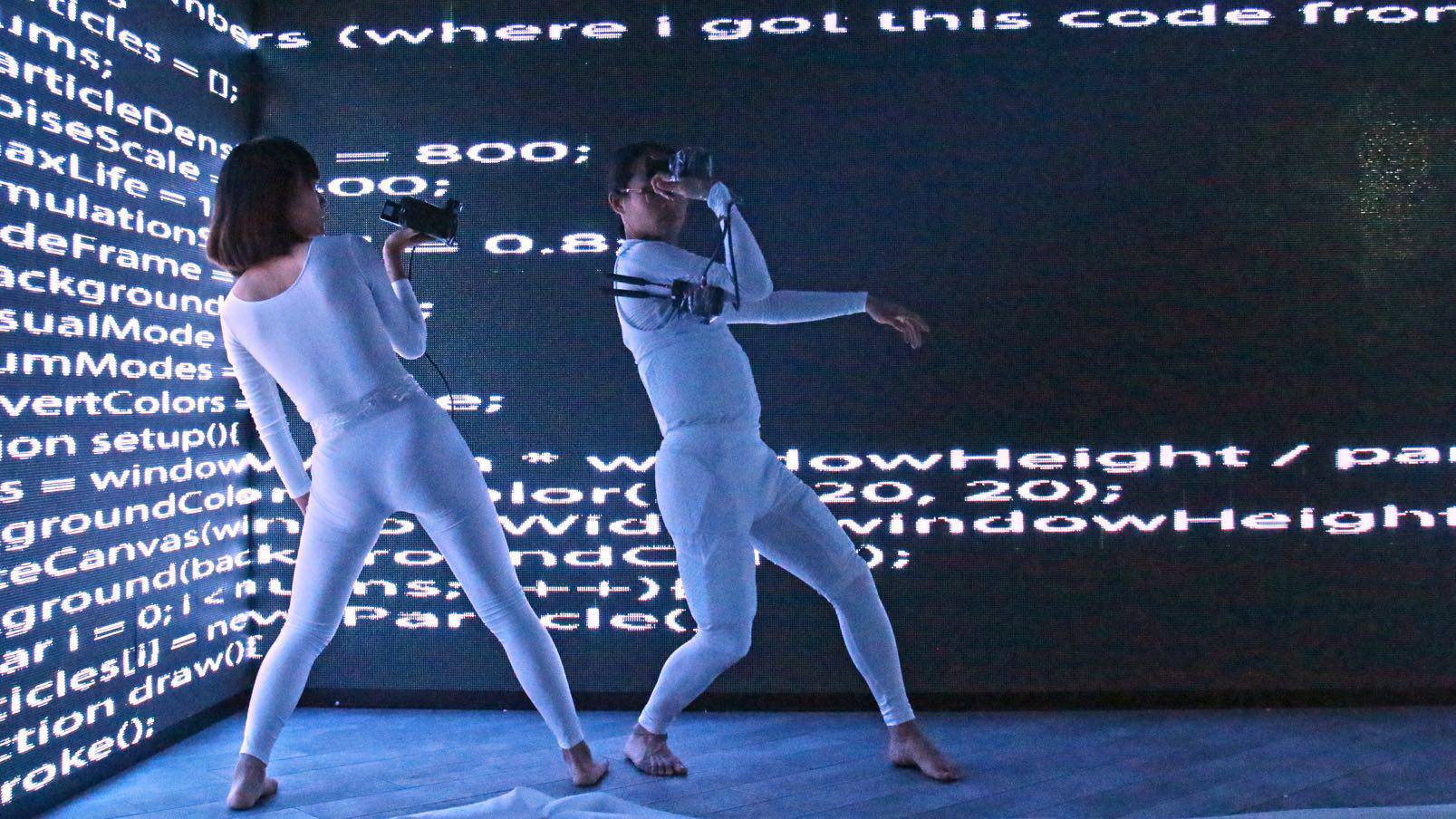
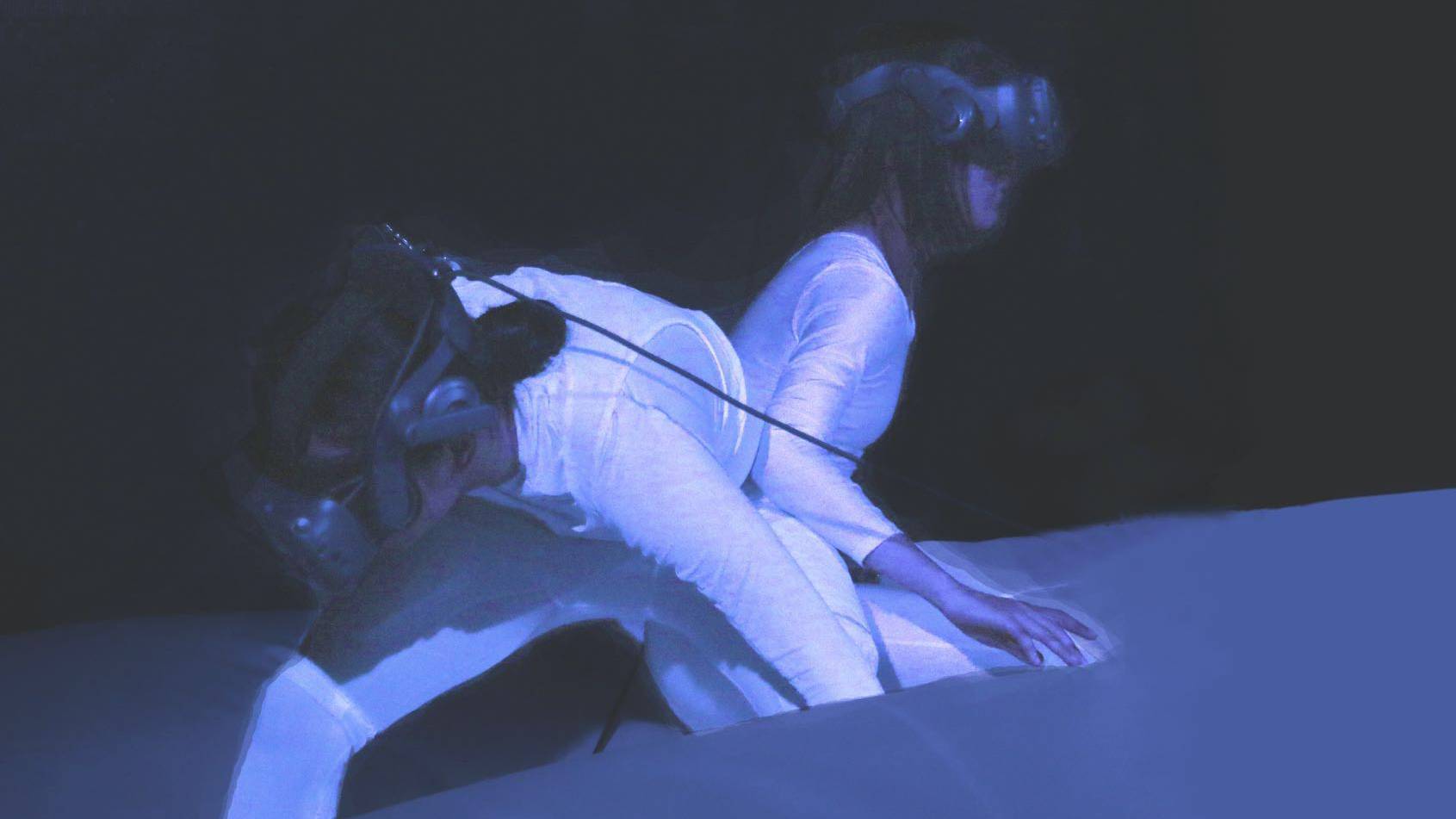
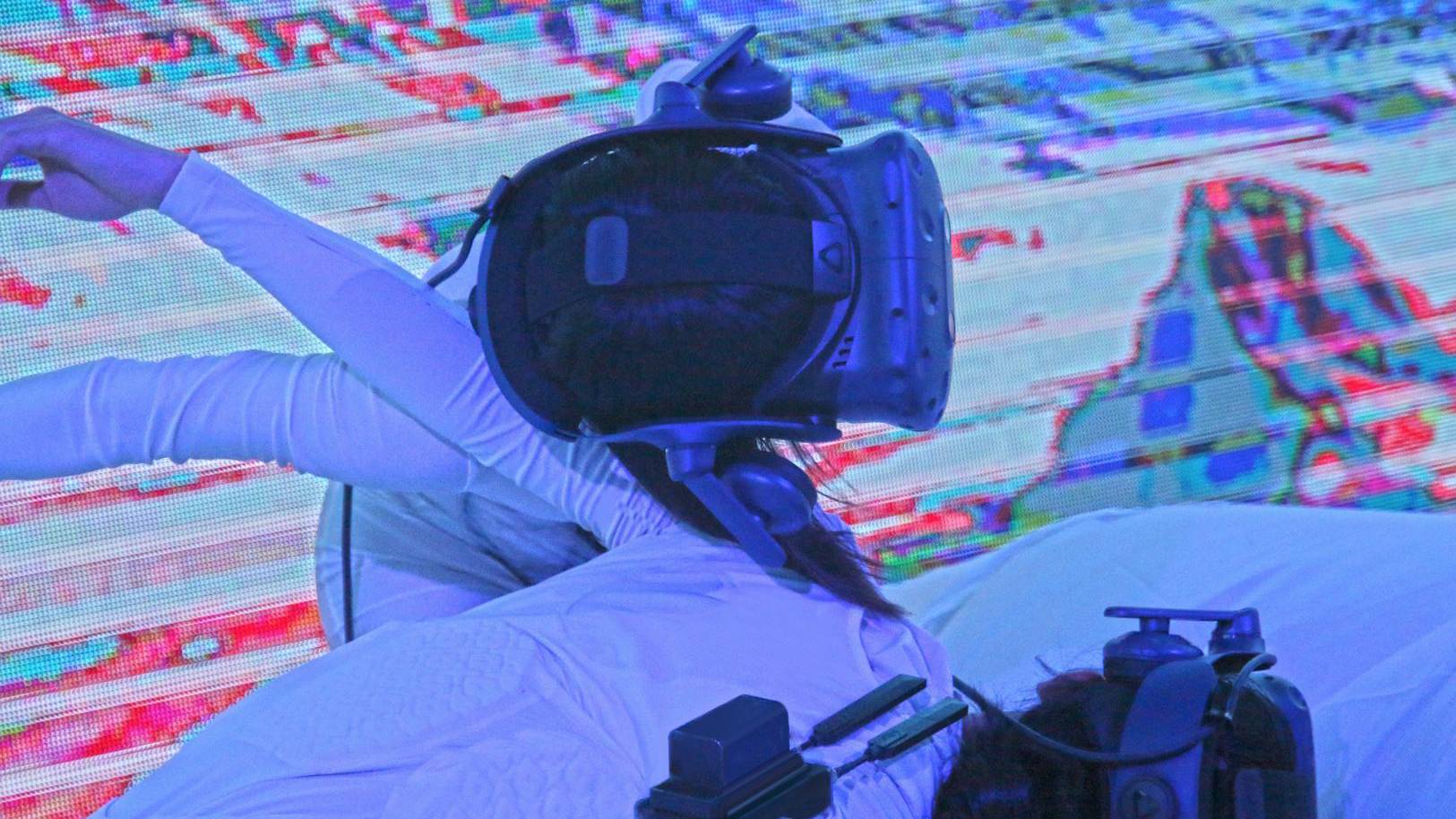
VR(Virtual Reality)Art VideoInteraction Performance

 911
911
Immersive
Generating Art
interactive
“诗没有回忆,诗总是走在未来和未知。”
可是如今的“图像诗歌”又会走向哪儿?
图像 - 记忆 - 欲望 ,是图像的目的,这类似于中世纪学说中有关符码和符咒的东西,又有些像占卜,这让我无意联想起两部凶杀作品,一部是由克里斯托弗·诺兰执导的《记忆碎片》讲述了患有“短期记忆丧失症”的男主人公通过自己支离破碎的记忆来找到杀害自己妻子的凶手的故事,另一部是日本小说家乙一的《Goth断掌事件》,捡到笔记本的高中生模仿被杀死的女孩的穿着引出犯人,这样与图像关联的推测判断也恰符合了知识考古中的”推测性知识”,让人读出从未书写的内容是目的地,这些搜索引擎式的图集也高频率的出现在侦探、犯罪调查电影之中,比如常见的阵列式排满墙面的“可疑”照片。 也许这时我们发现自己无处可逃,科技给了全能视角无限的捕捉能力,我们被实时监视着,这也并不是简单的当代人文走向视觉化的全部理由,因为不管是大或小的屏幕,从手机、电脑界面到网站的界面甚至网络的监视界面,都成为了图片的代替符号,像是景观中的控制论,人们迷恋那块映射自己欲望的屏幕,殊不知自己也是被取景的对象,取景器的生产与被监视者之间有着许多不可调和的张力与交合,人-机、主- 客、监视-被监视、叙事-被叙事,荧幕前虚实的交错、主体与他者的权利关系转化,是我们的身体变成了终端产品还是产品更“人化”了?
数据热时代的到来改变了人们的阅读方式,当面对这些数据和所生成的图像,阅读的对象不再是数据本身,而是视觉阵列、界面带来的远距离阅读,这种整体趋势更能凸显集体的图集,也和火山有些相似,成为宣泄着集体欲望的出口。我们越来越熟练与观看这件事情,也寻求更新鲜的奇观,这种恋像的心理不得不诉求更多的“被观看”对象,于是人们尝试在各个领域赋予看似逻辑性的观影需求,以此来满足对景象的迷恋。
那图像的诗有回忆吗? 零碎的图像在数据之海中是不是一个生产的手段?
图像的句子的雏形大概是幻灯片或者杂志剪切的拼贴画儿,这些非线性的组合组成了短暂无常的共时阵列,像拼图版,像日常生活的流程图,这也许可以追溯到更小诉求 — 比如收集的卡片贴纸。
“There is no memory in poetry. Poetry always walks in the future and unknown.”
But where is "image poetry" going?
Image - Memory - Desire, is the purpose of image, which is similar to the symbols and spells in medieval doctrines , also like divination . It makes me remember of two murder pieces , one is “Memento”, written and directed by Christopher Nolan,it tells the story of a man with short-term memory loss attempts to track down his wife's murderer,the other is “Goth” , horror novel written by Otsuichi about two high school students fascinated by murder through a notebook . As these speculative judgments are associated with images and match the "speculative knowledge" in archaeology coincidentally, that lead people to acquire hidden contents those will never written directly. These atlases(by aby warburg) of search engine also appear frequently in detective and criminal films, such as the common array of "suspicious" photos on the wall.
Perhaps we find that we have nowhere to escape. Technology gives us omnipotent perspective to capture things ,we are monitored in real time. This is not all the reasons why contemporary humanity is going to be more visualized , no matter how small or big the screens are , from our mobile phones to computer interfaces and even the monitoring interface of the network, it will finally becomes a substitute for images,just like the cybernetics in the spectacle — people are obsessed with the screen that maps their desires, but they cannot realize that they are also the objects of framing. There are many irreconcilable tensions and intersections between the viewfinder and the monitored person just like human - machine、subject-object、monitor-monitored、narrat-narrated, during these transformations of relationships ,we want to know is that our body becomes like a terminal product or is the product becomes more "humanized"?
The archive fever changed the way people read. When faced with data and images, the object of reading is no longer the data itself, but the visual array and users’ interface which called long-distance reading. It will display the collective mood,and becomes a way out of desires,besides ,we are used to watching ,and keep watching.this kind of iconomania ask for more fresh objects , so people try to give seemingly logical views in various fields , in order to satisfy the fascination of scenes.
Are there any memories in image poetry? Is fragmentary image a means of production in the sea of data?
Photo Album

Recommended
Autoplay
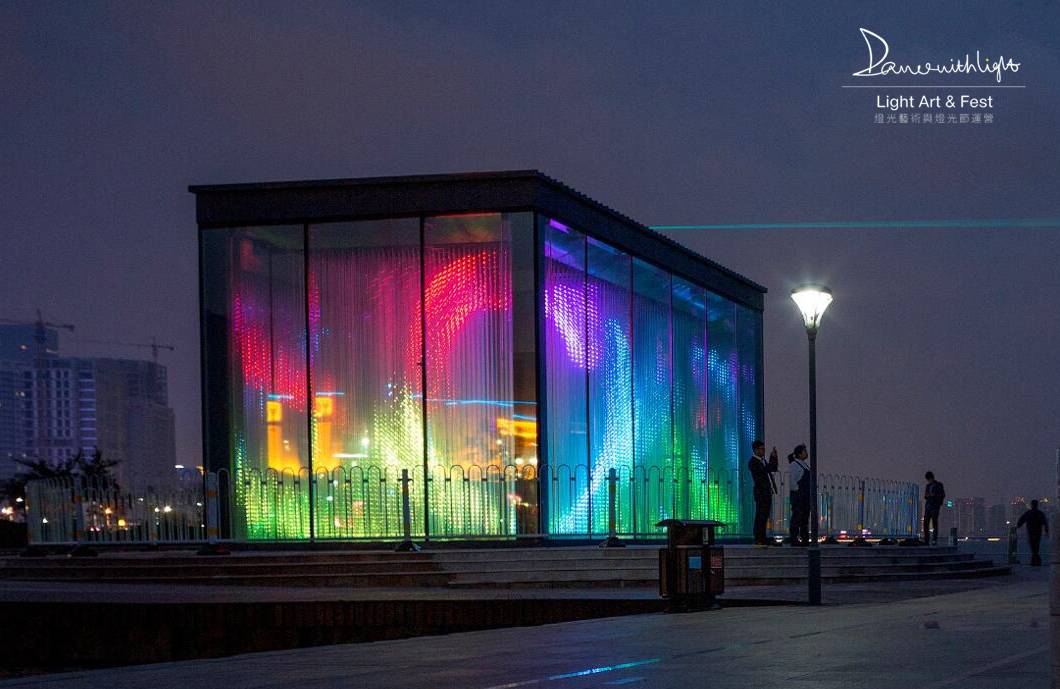


入围作品 Phoenix Returns 凤凰归来 — Li Cheng (China)
ArtTechnologyArchitecture Mapping3D MAPPING


Comments
Please Log in or Register to comment