


 Publish
 Videos
 Articles
 Events
 EN
EN 1080P 1080P
 Add to Channel Download Photo Album 5 Report
Playing issue
Reported video:THE SHAPE OF LANGUAGE 语言的形状
Streaming issue
Progress bar not working
Loading animation issue
Black screen
Other
Description:
Send
THE SHAPE OF LANGUAGE 语言的形状 Original
Industrial DesignInteractive Installation声音可视化 声音Performance

 1352
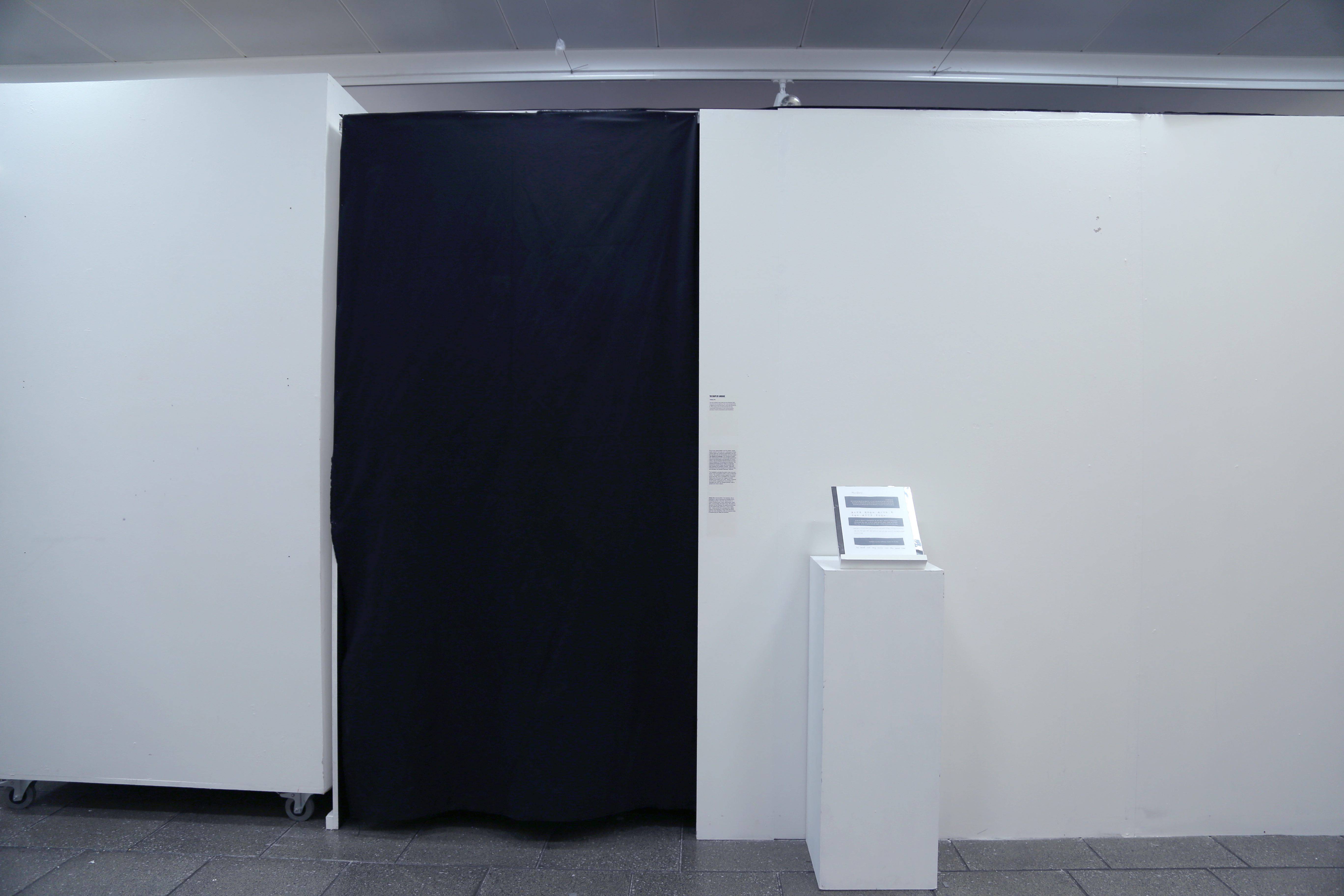
1352语言的形状是一个声音可视化交互装置。透过声音和图像,作者企图探索人类声音的传达与转译。在人与人的沟通的过程中,声音的发出者发出的信息经过传递和记录的过程到达接收者处,原始的声音信息发生了很大改变。 这种声音信息的遗失正如语言发展的过程,古代的发出者所留下的语言和文字信息,经过时间的层层“遮蔽”,到达现代,语言本身已经分化成为不同的语言。《语言的形状》从来自古希腊赫拉特利特和古中国庄子表达事物的可变性的名言中提取出声音元素-尽管文本中的元素向观众呈现,但最终的声音元素只是部分地披露和保留。
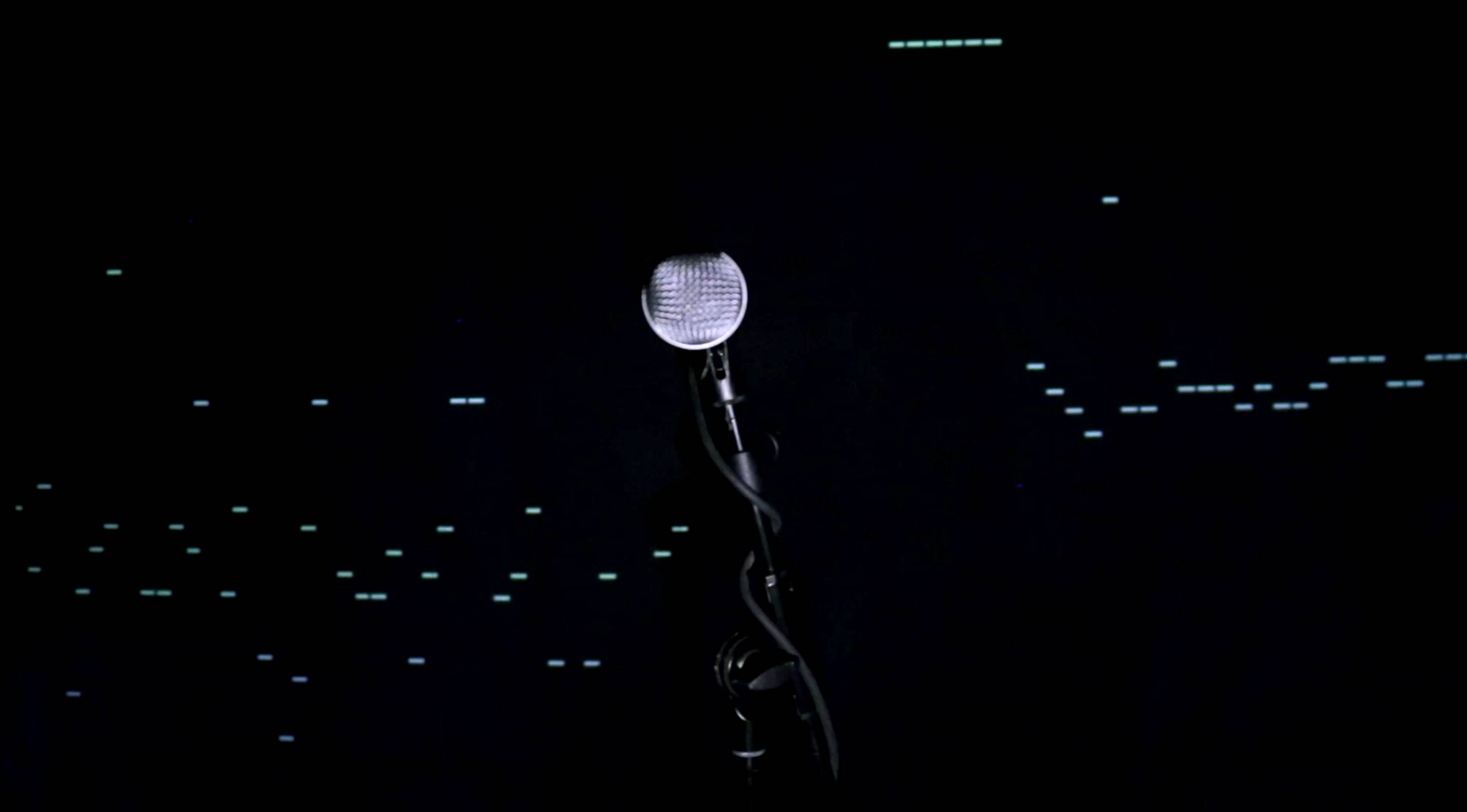
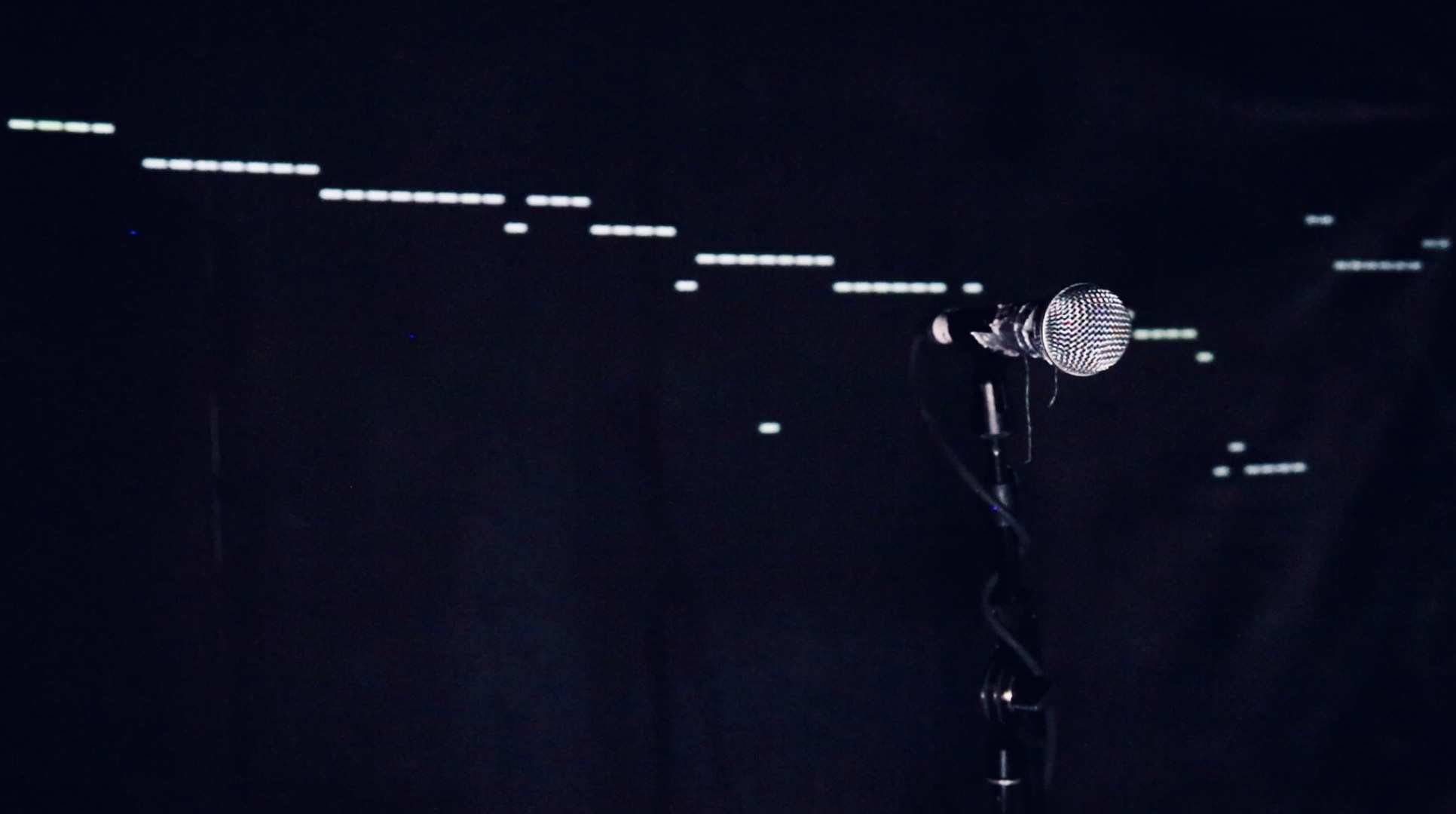
这个装置通过观众的声音激活艺术家的声音,同时也改变着扭曲的镜子房间里的图像。 观众对着麦克风说话,他们的声音被转换成一个数字化乐谱投影在房间里,这个乐谱将会触发艺术家阅读古代文本音素的语音元素。 在新的观众进入房间的时候,之前的观众留下的痕迹依然存在,语言随着时间的推移累积改变,象征着当下的声音、图像的转译与缺席的声音之间的“误解”。作者基于声音艺术的语境,传达了即兴创作和作曲、声音和图形/声音和录音之间转换的局限。通过我的作品,希望观众能从我的作品中体会到阅读,聆听和写作所传达给他们的差异化体验。
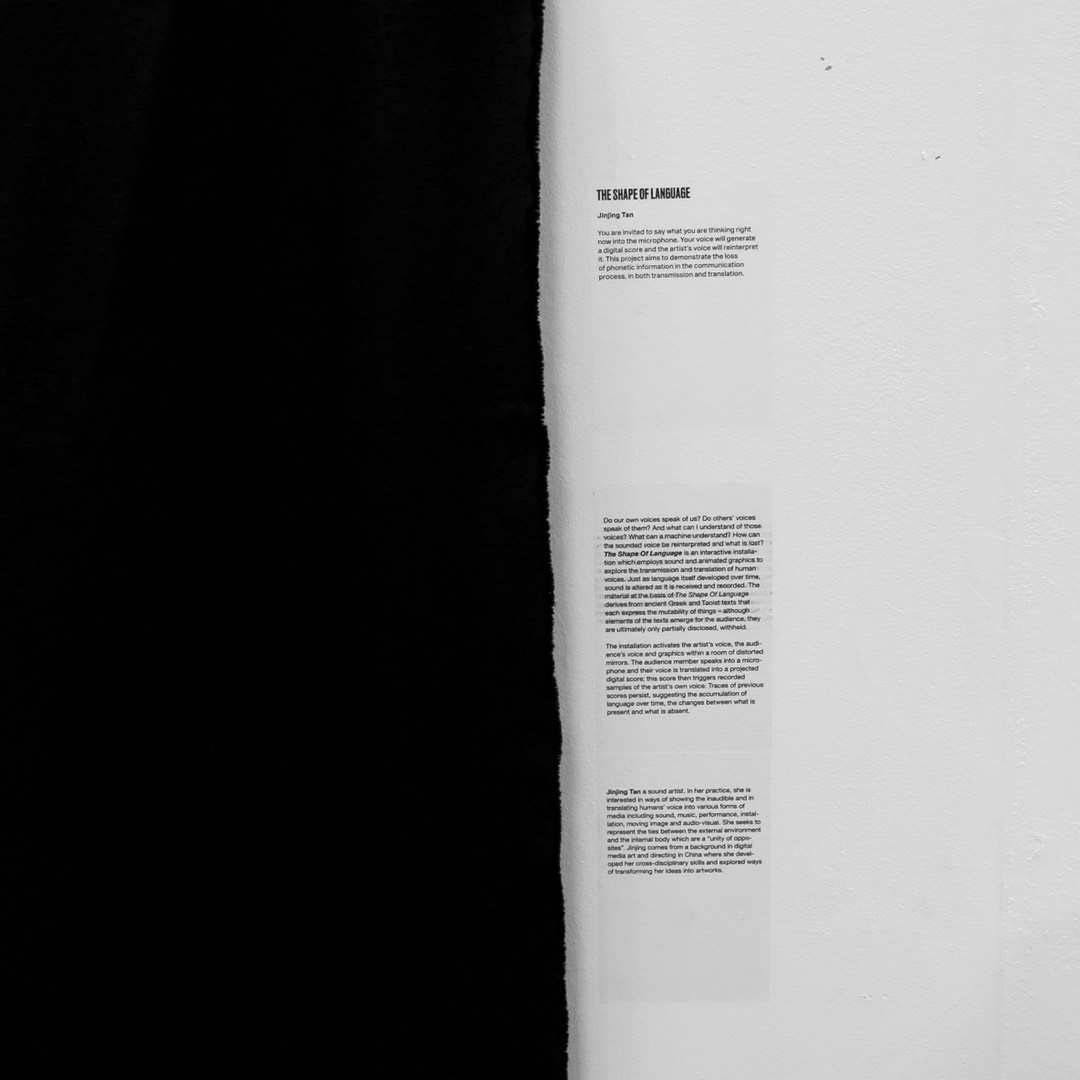
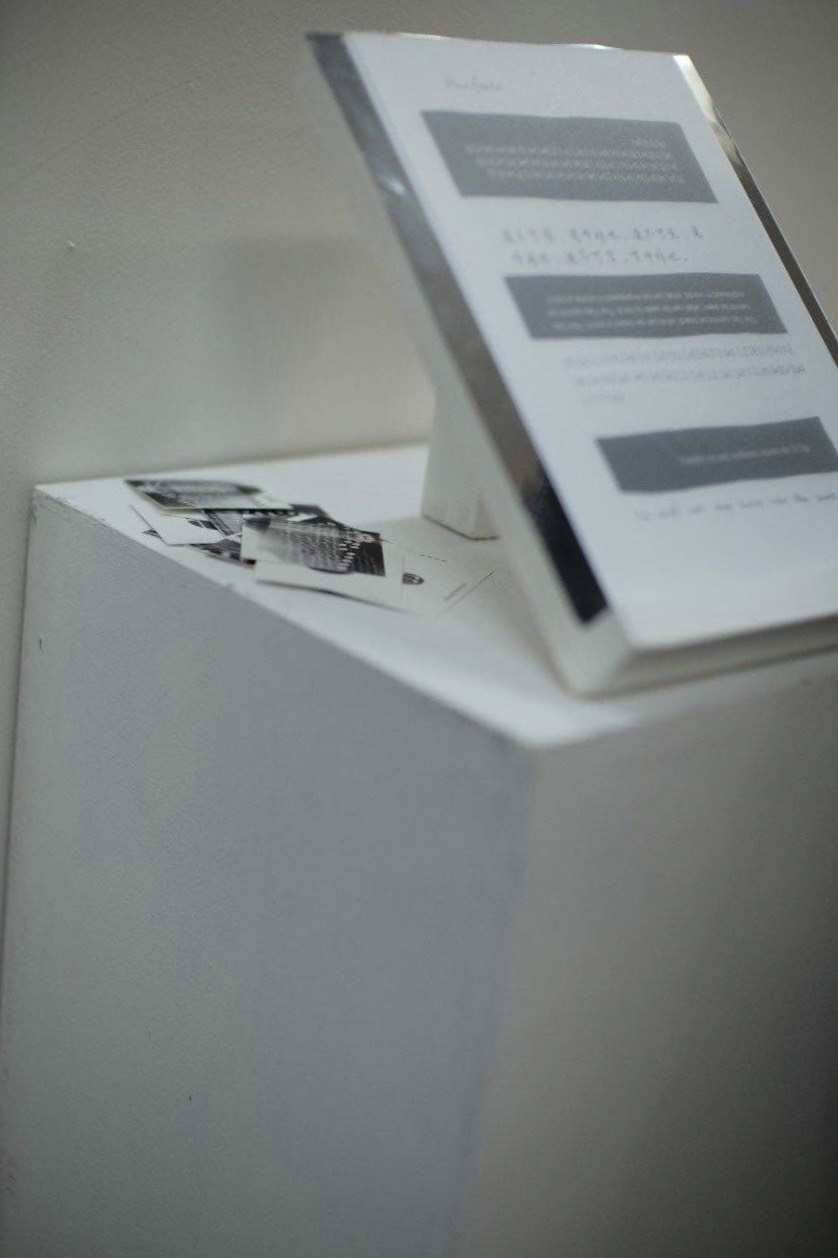
The Shape Of Language is an interactive sound and visual installation which employs sound and animated graphics to explore the transmission and translation of human voices. Just as language itself developed over time, sound is altered as it is received and recorded. The material at the basis of The Shape Of Language derives from ancient Greek and Taoist texts that each express the mutability of things-although elements of the texts emerge for the audience, they are ultimately only partially disclosed, withheld.
The installation activates the artist’s voice, the audience’s voice and graphics within a room of distorted mirrors. The audience speaks into a microphone and their voice is translated into a projected digital score, this score then triggers recorded samples of the artist’s own voice. Traces of previous scores persist, suggesting the accumulation of language over time, the changes between what is present and what is absent. In addition, based on the sound arts contents, I considered the boundary between improvisation and composition, the translation between sound and graphics, voice and records, which shows the different feelings of reading, listening and writing.
Software(s): Ableton LiveMax/Msp
Photo Album
Recommended
Autoplay

 02:49
02:49 一次突破,全心感受-绿地中心沉浸式展厅
MAPPINGProduct DesignSpace DesignPublic ArtArt VideoInstallationInteraction


Comments
Please Log in or Register to comment