


 Publish
 Videos
 Articles
 Events
 EN
 1080P 1080P
Playing issue
Reported video:making waves
Description:
making waves Original

 176
Creators

‘Making Waves’ focusses on city light sources, bouncing off ripples, connecting our artificial light with the dynamic movement of water — caused by the weather and by our presence with our passing boats.
The artwork draws our attention to the ongoing interplay between light, water, and people. Wind and passing boats create waves that distort and break the light, transforming Shanghai’s reflection on the Suzhou Creek into an ever-changing composition.
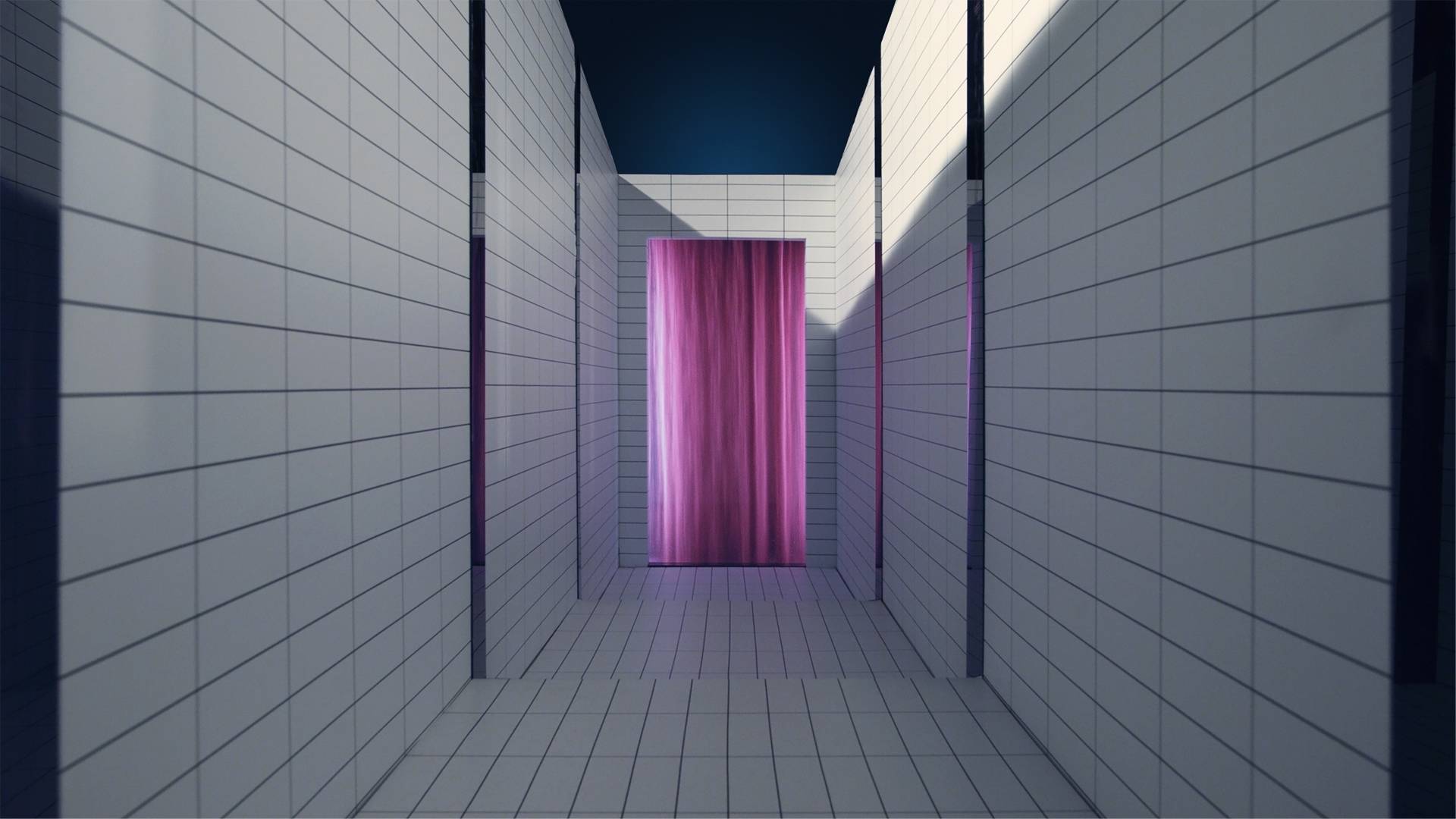
The architecture of the artwork reflects the architecture of the city of Shanghai. Its buildings with their lights reflect in the water of the creek. This will be the source for our artistic interpretation, which we will show on the light columns. The artwork itself then offers their lights again to be seen, mirrored in the creek itself.
This way the audience can engage with the artwork: the visual language of the city is shown in an artistic way. They might recognize the city in the artwork and they are invited to look at the city lights in new ways.
Over several iterations, we have explored how the artwork can adapt to its surrounding. The first iteration ‘Weerlicht’ consisted of 14 light columns placed at an artificial lake. Using live camera, the movement of the water was captured in real time and directly translated into the light installation.
For our second iteration ‘Making Waves’ at Amsterdam Light festival we collected light reflections from the canal itself in the weeks leading up to the festival. This collection of reflections became a visual composition of the city translated into light, a layered portrait shaped by the movement of water, the presence of people, passing boats, weather conditions.
The third iteration, a small version of 'Making Waves', called ‘Meerlicht’, was bringing light and water to the forest with only 1 led column and a custom-made water basin, where mechanical waves transformed a single light reflection once again. This created a dialogue between two waters: the original landscape and the water within the artwork.
For Shanghai we want to explore how we can adapt the artwork to the creek, the city's reflections and the behaviour of the water and influence of people.
Each column in our iterations so far was 50 cm wide and 2-6 m high. For Shanghai we think the artwork needs to have a size that relates better to the wider water of the creek and to the size of the architecture of the city. We suggest 14 columns that are each 1 meter wide and 4 - 12 m high.
Photo Album




Comments
Please Log in or Register to comment