


 Publish
 Videos
 Articles
 Events
 EN
EN 1080P 1080P
 Add to Channel Download Photo Album 4 Report
Playing issue
Reported video:澳门声音可视化设计——拾音显影
Streaming issue
Progress bar not working
Loading animation issue
Black screen
Other
Description:
Send
澳门声音可视化设计——拾音显影 Original
数字媒体艺术Interactive Design

 1485
1485Creators


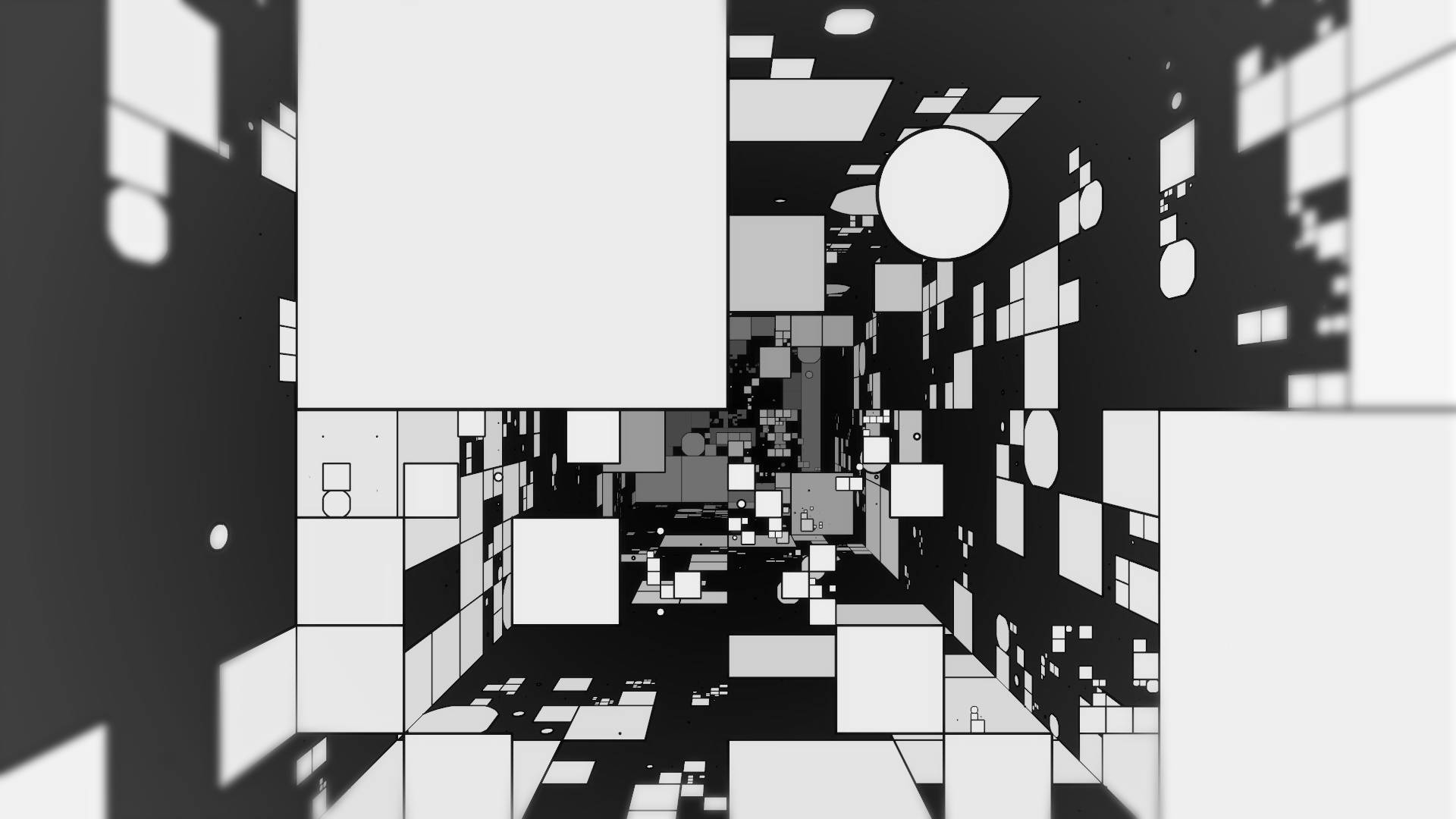
The lightweight interactive system based on the technical platforms Processing and TouchDesigner allows viewers to 're-hear' the urban rhythms of 19th-century Macau through listening and observing. The core driving force of this design lies in pioneering a non-traditional path for visually revitalizing digital heritage using cutting-edge algorithms: Processing 4-AIGC dynamic restoration-TouchDesigner. By translating Qian Nali's paintings into sound, mining the internal rhythms of Qian Nali's works, and then converting real-time live sound input into suprematist paintings, this provides a simpler introduction for subsequent viewers to personally experience the translation of Qian Nali's art. Ultimately, through the viewer's interaction, the upper layer of the screen is transposed into a suprematist style, while the lower layer features the AIGC-completed dynamic animation of Qian Nali's paintings. Through mask-based interaction, viewers can see the dynamic scenes of 19th-century Macau. This approach shifts the work from a 'passive display of historical materials' to a 'dynamic writing jointly completed by historical materials and contemporary bodies.' This design awakens the dormant image-based cultural heritage of the Greater Bay Area in Macau, achieving a deep integration of art and technology in digital media art. By integrating various multimedia technologies, computer image processing, internet technologies, and interaction design, it constructs a new paradigm of artistic expression in a digital context. It promotes the fusion and innovative integration of digital media art with traditional coastal Chinese culture, contributes to the narrative of Macau's world cultural heritage, and explores the digital dissemination of Qian Nali's image-based cultural economy with significant social and practical implications.
Photo Album


Recommended
Autoplay

 00:37
00:37 Sponge screen - Interactive projection mapping
Creative CodingInstallationInteractionInteractive Design
 00:45
00:45 "Green Landscapes"
ArchitectureArchitecture MappingAudition & PerformanceArt VideoVideo

Comments
Please Log in or Register to comment