


There are two opposing schools of thought about generative artificial intelligence. Some see it as a threat—an end to human expression—while others view it as a powerful ally to creativity. Personally, I don’t believe the divide is so clear-cut, but if I had to choose, I definitely align with the second view.
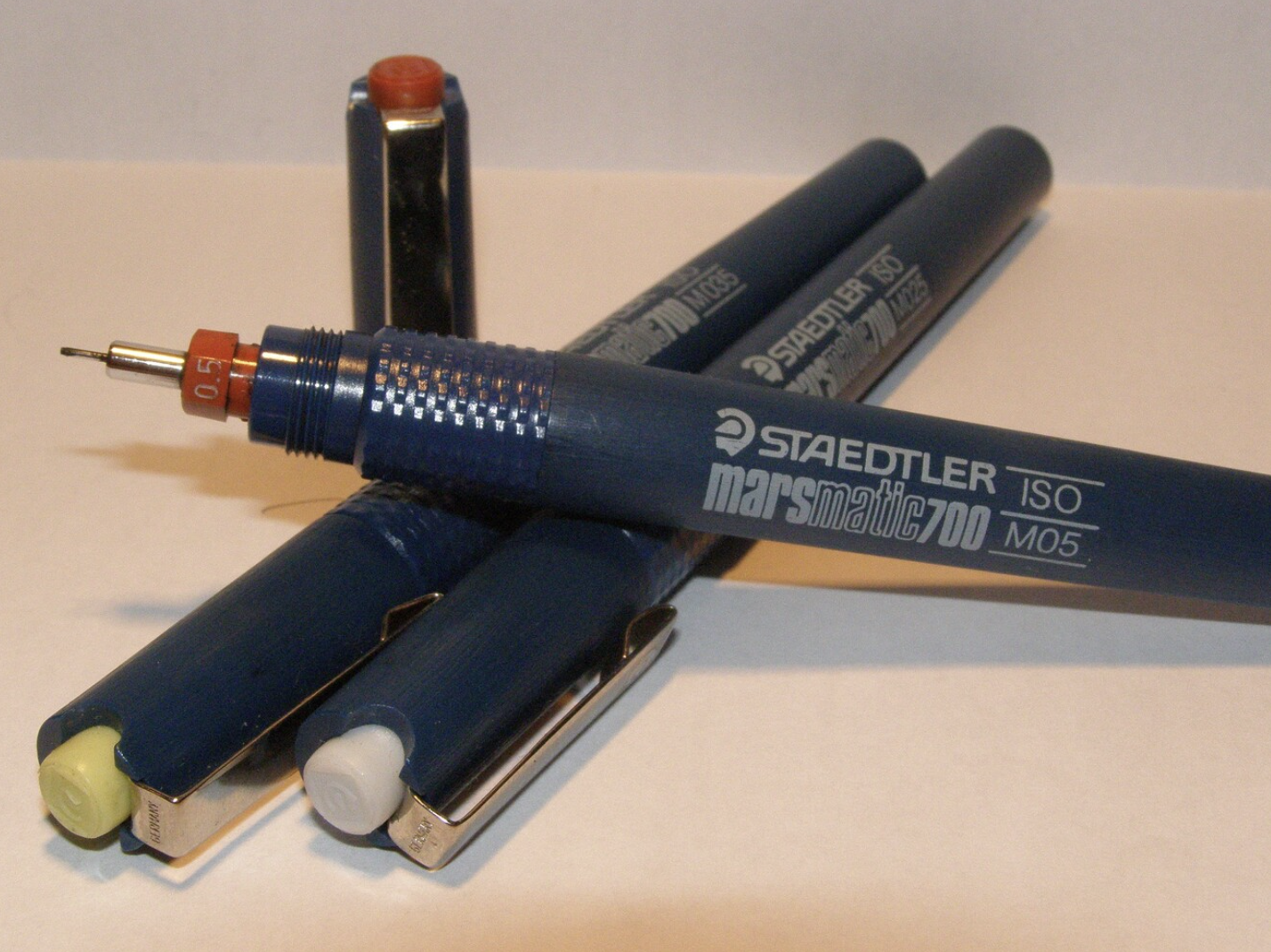
My creative journey began in the 1990s, when graphic design meant Letraset, technical pens, rulers, and razor blades to correct mistakes. Every piece demanded time, patience, and an almost obsessive attention to detail. Then in 1996 came the digital revolution: Illustrator and Corel Draw changed everything. Technique and imagination started to merge, and creativity found new precision. One smudge, however, still meant starting over—just like tossing the sheet or reaching for the blade
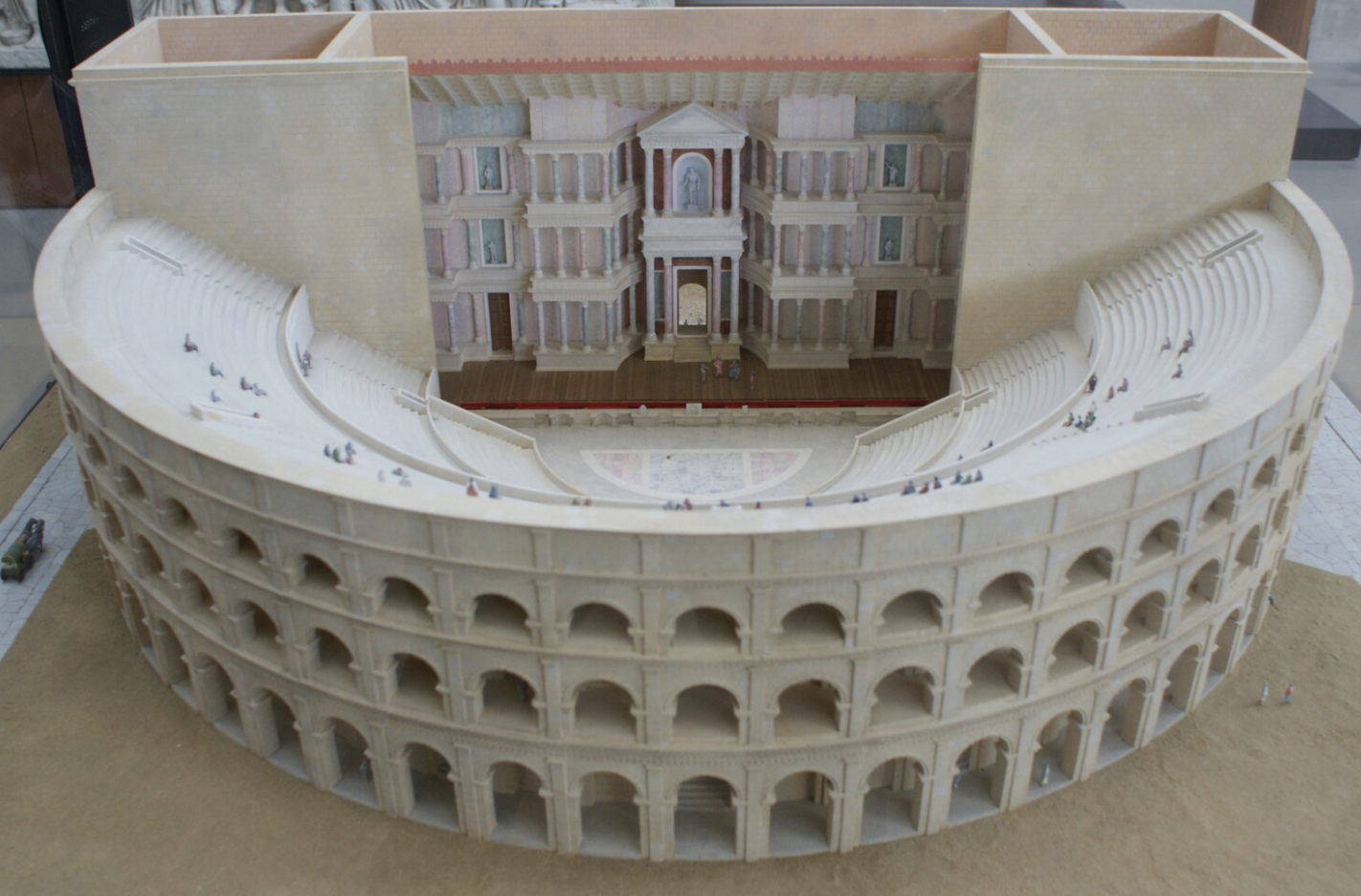
At the Academy, I discovered the language of space—set models, materials, 3D design. During my apprenticeship, I learnt visual storytelling and theatre design, working closely with directors and scenographers. I came to understand the relationship between actor, body, and space: a new kind of craftsmanship rooted in emotion and narrative.
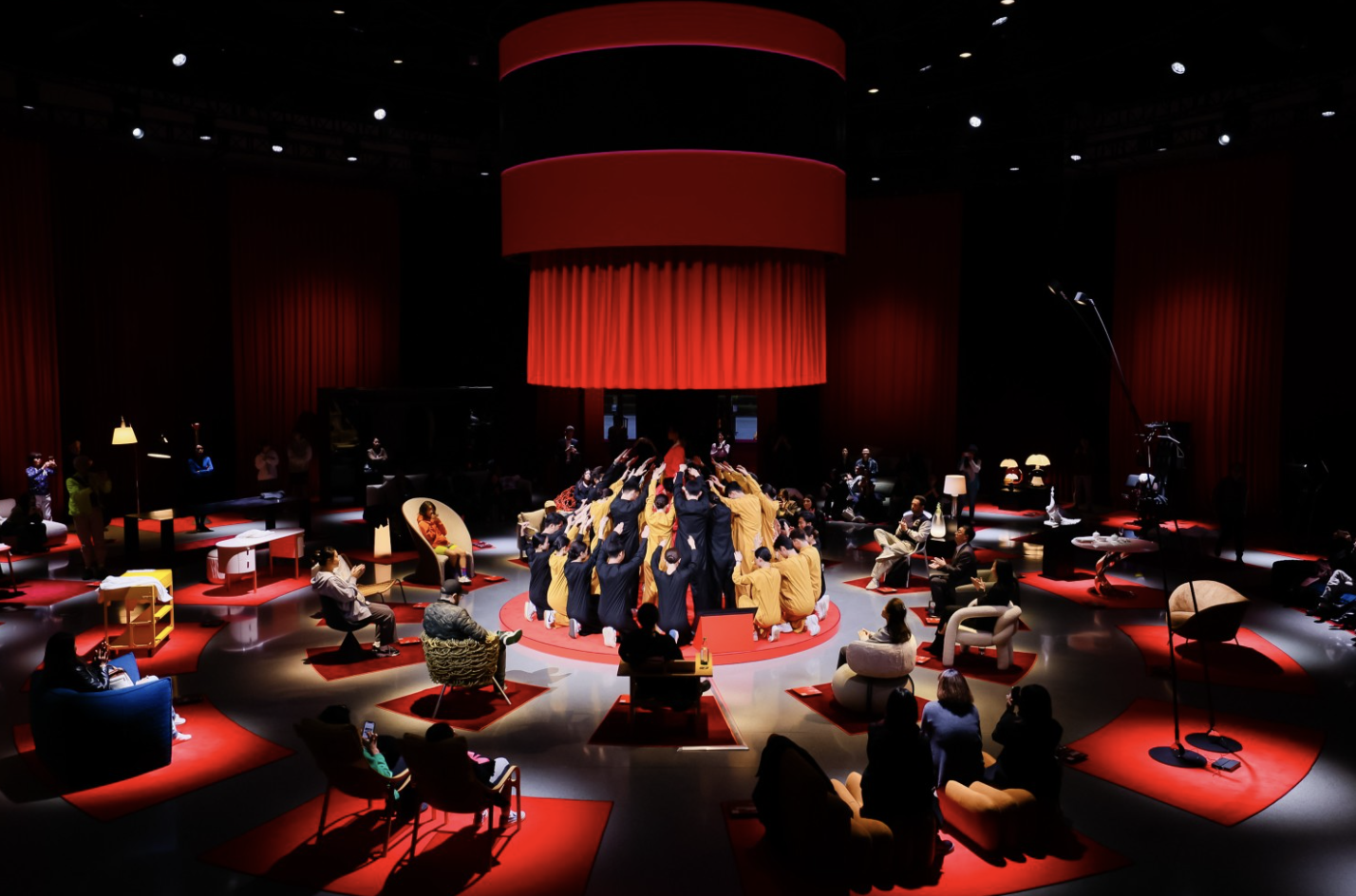
These two worlds—graphic-digital and theatrical-spatial—have shaped my professional path in the field of events and immersive experiences. While many colleagues approached the work from a technical design background, I brought a narrative and emotional sensibility to the table.
Over the years, following the rapid evolution of the Chinese market, my work has grown more complex. Unlike Europe, where tradition and inertia often dominate, in China I’ve had to write an entirely new chapter for my profession.
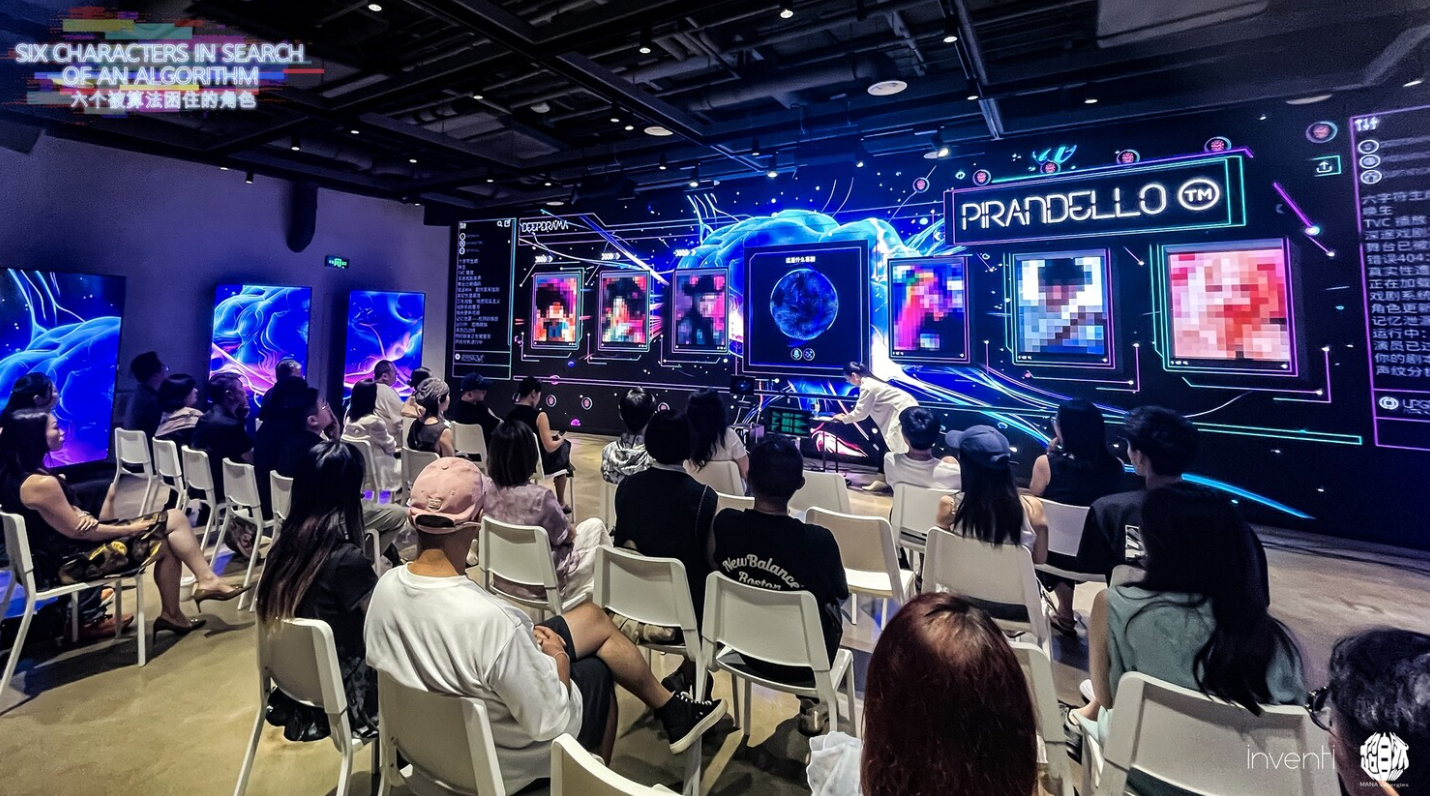
At the age of 40, I began a new transition: into the world of generative AI. I started with images, then videos, and eventually began using AI as a creative and performative tool. It hasn’t replaced my skills—it has enhanced them. It simplified complex processes and gave me back an authorial freedom I feared I had lost.
Today, I don’t see AI as an ending, but as an extension of ourselves. A new way of engaging with an “other” made up of all the knowledge humanity has accumulated, reprocessed and transformed into creative potential. It’s a universe we interact with through keywords—one we can bring to life through imagination and a new form of craftsmanship: not drawing, but dialogue and the technical ability to interpret and shape content.
This is a new skillset—one that neither undermines expression (I remain the one making choices, even when results surprise me) nor replaces technique (writing an effective prompt is an art in itself). Generative AI opens up a new dimension for those who have something to say and seek fresh ways to express it. Technology evolves, but the human need to express remains unchanged.
And it is in that meeting point—between ancient languages and new tools—that the future of creativity is born: a new paradigm, a renewed profession, a new phase where the human and the generative complete each other in a dialogue with the infinite and the unexpected, turning the world of ideas into reality.
— Alberto Sanseverino

Experiential & New Media Worlds



 Publish
 Videos
 Articles
 Events
 EN
EN
Comments
Please Log in or Register to comment