


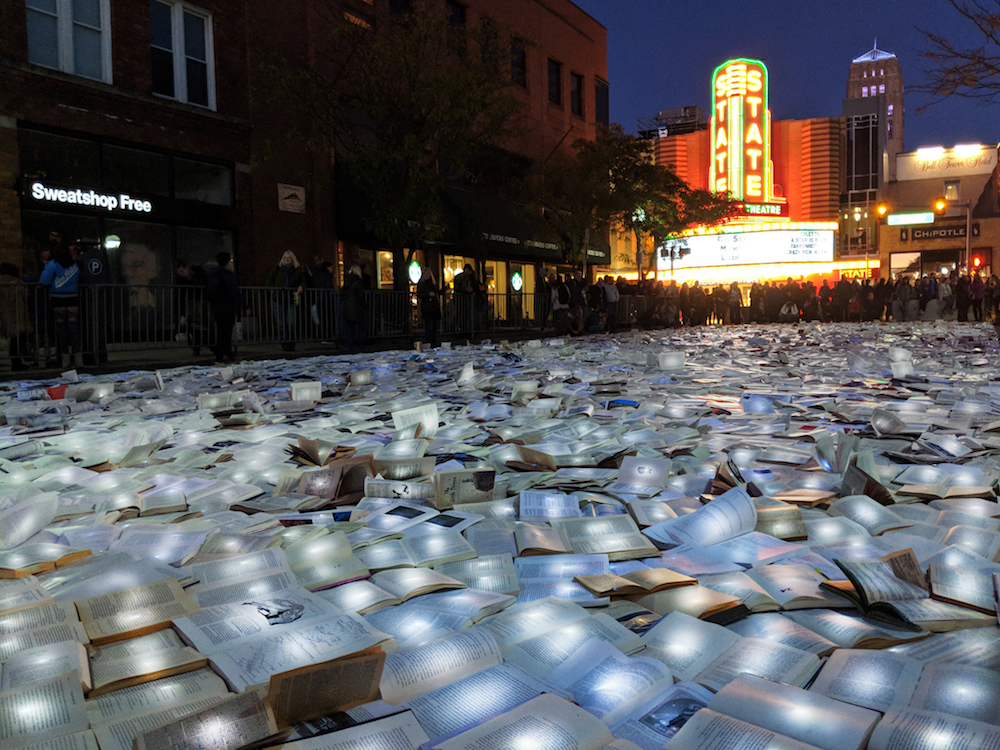
Last October, we went to Ann Arbor, invited by the University of Michigan Institute for the Humanities thanks to its curator, Amanda Krugliak, to carry out one of our most famous pieces, Literature vs Traffic, which we had previously installed in Toronto, Melbourne, Madrid, and New York.
We found this invitation appropriate for two reasons. First, Detroit, Michigan’s most important city, was the capital city of the automotive industry in the US. Although today it is immersed in a deep crisis, its largeness and its lack of public transportation banish pedestrian life from its landscapes. Its citizens are forced to use their cars lest they become outcasts with no chance to work outside their neighborhoods.
Second, Ann Arbor (a peaceful college town but with quite some traffic) describes itself as a book lover, and this feeling is everywhere and is the reason why this piece was carried out so successfully, well beyond our own expectations, despite the logistic challenges usually faced during its installation.
We wanted to send the same message as 6 years ago, which has unfortunately not gone obsolete, “We want literature to take over the streets and to become the conqueror of all public places, offering passersby a traffic-free area that will, for a few hours, surrender to the humble might of the written word.
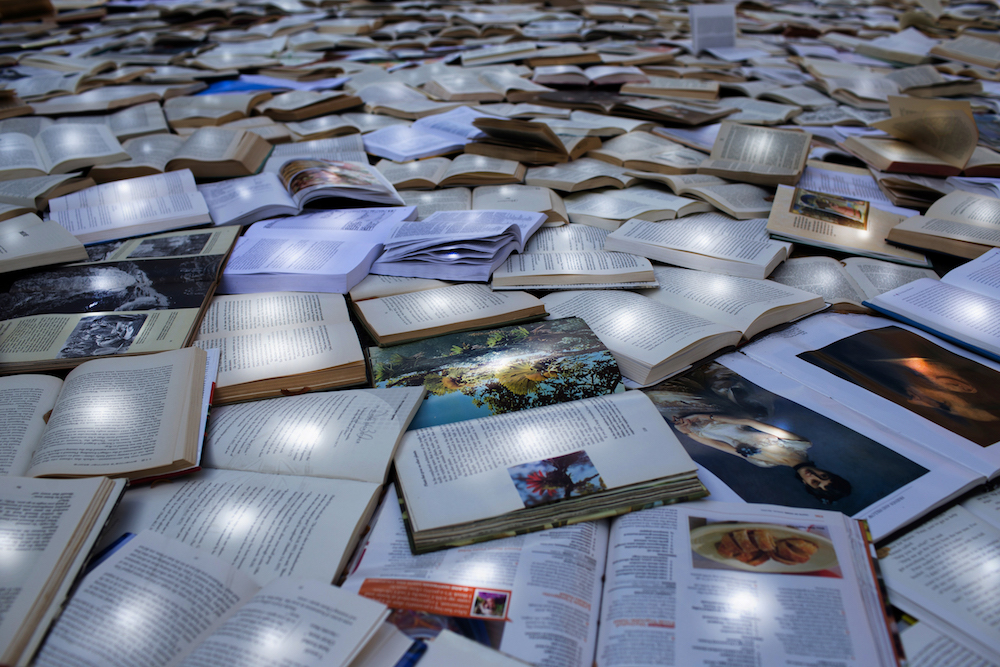
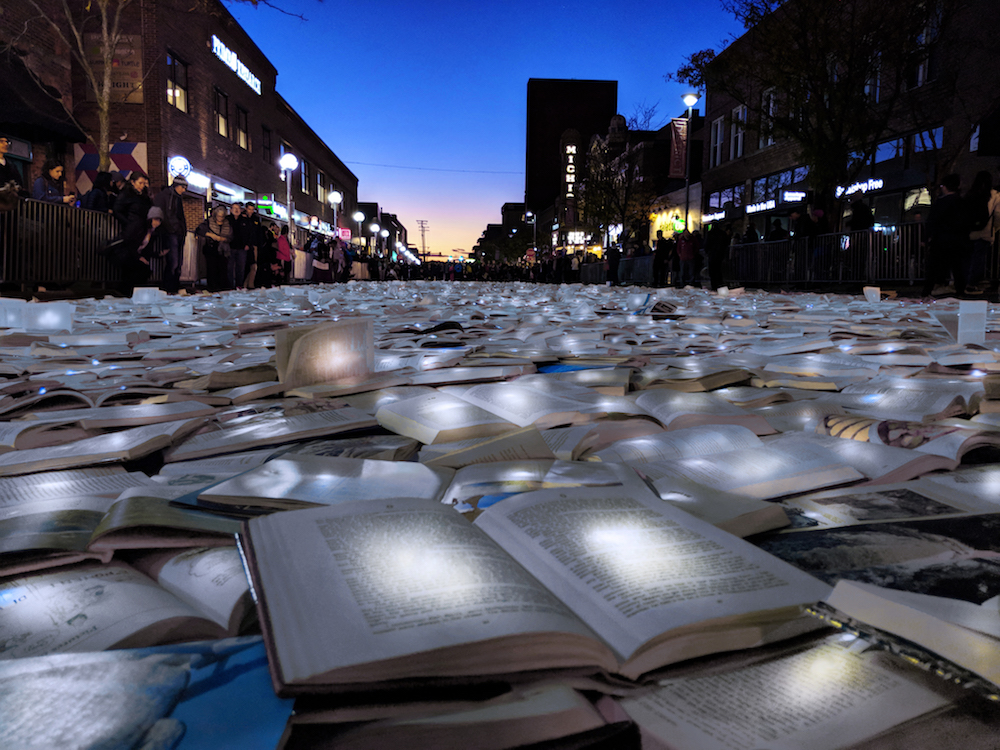
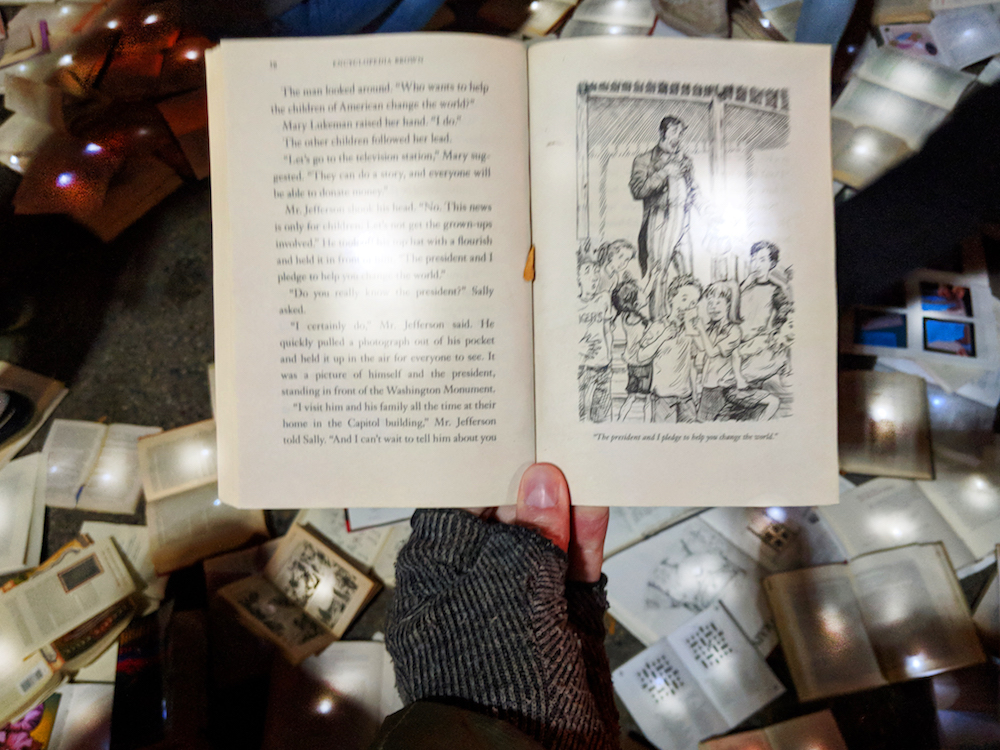
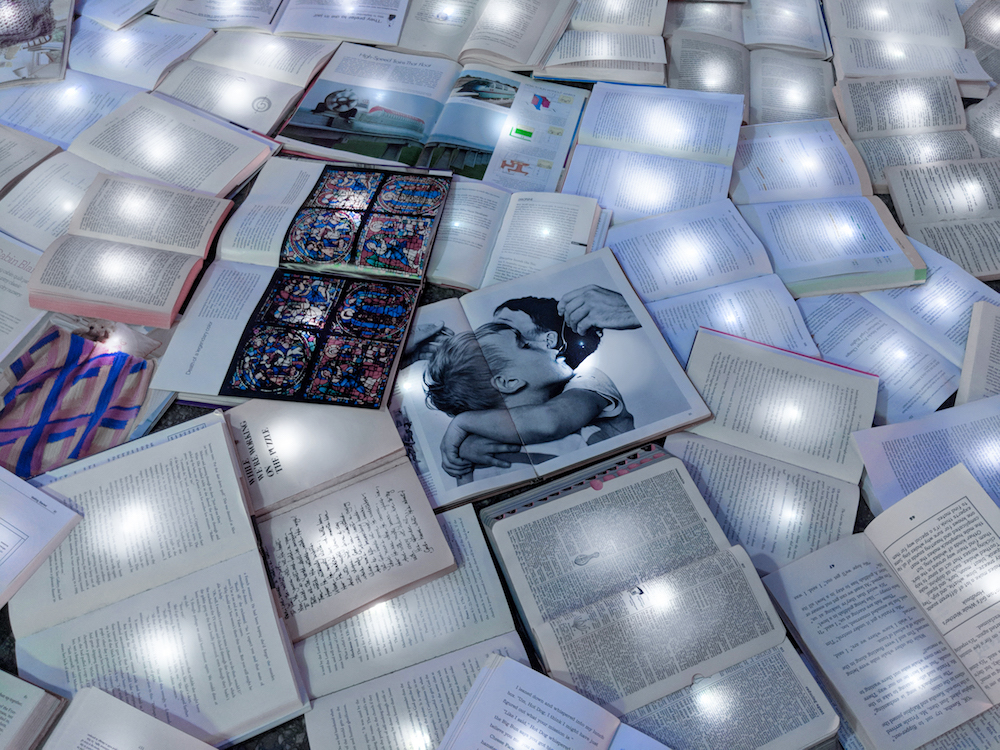
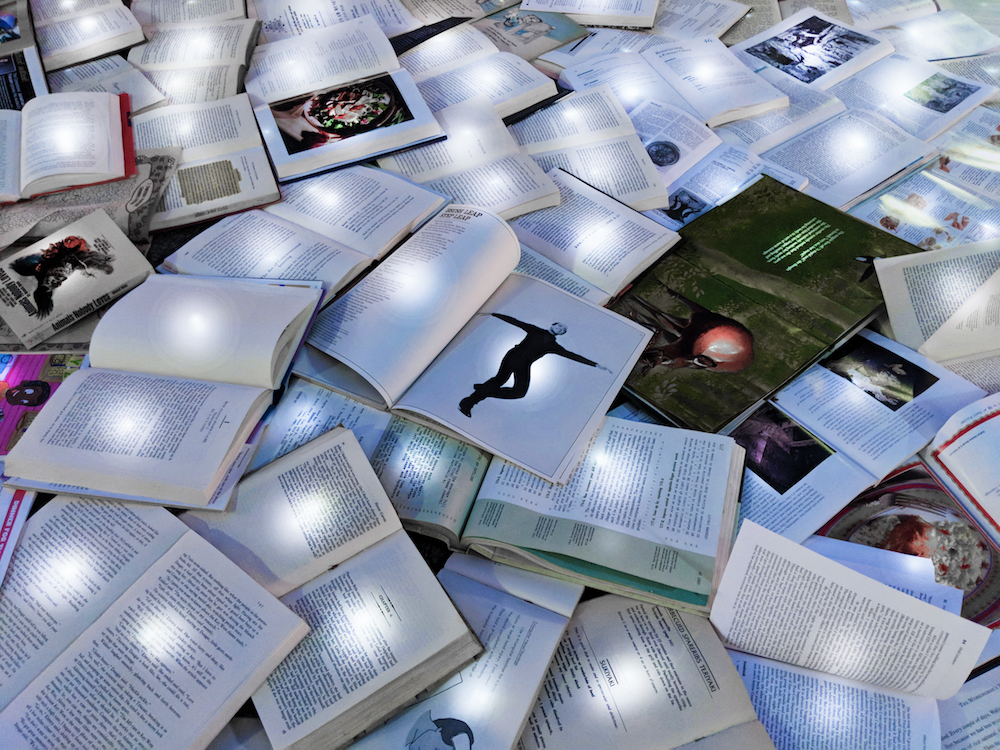
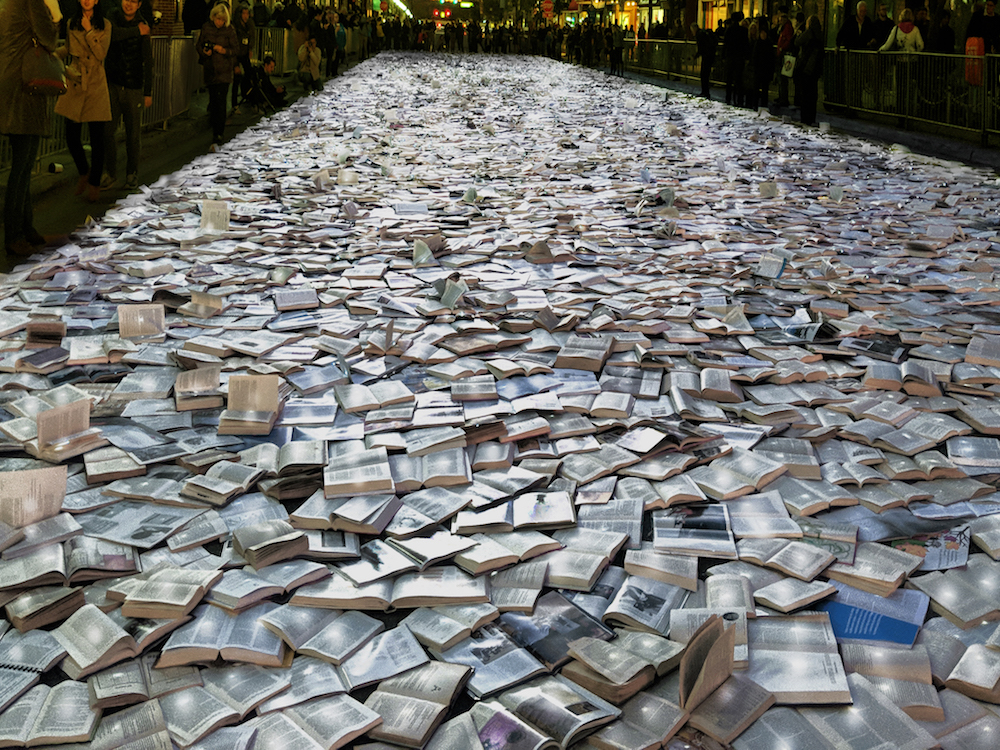
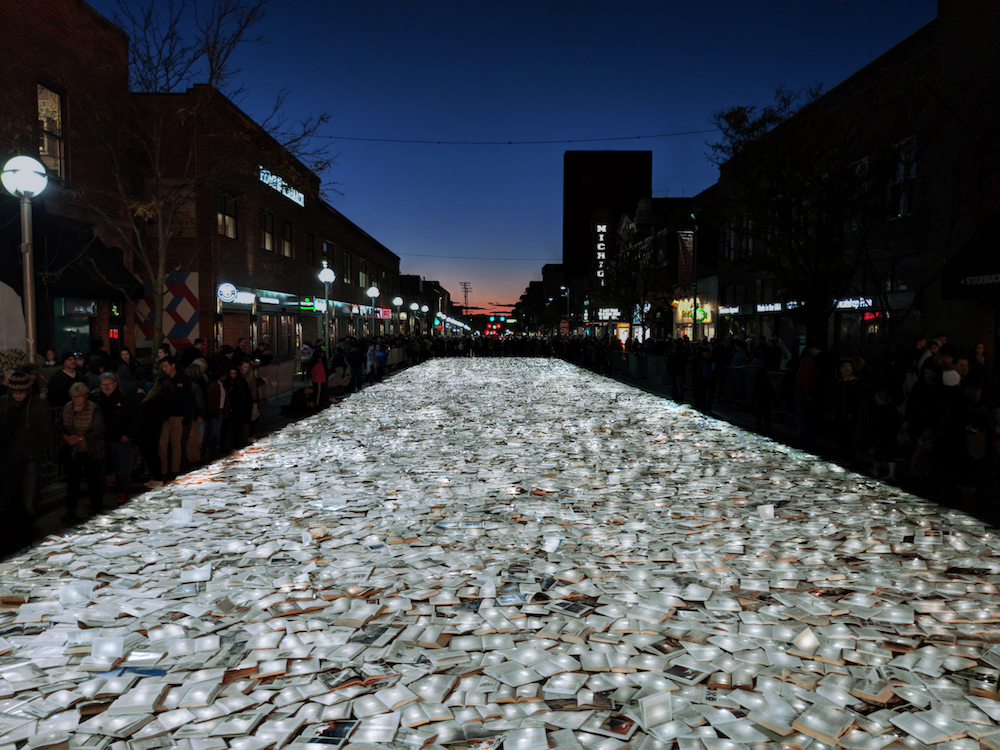
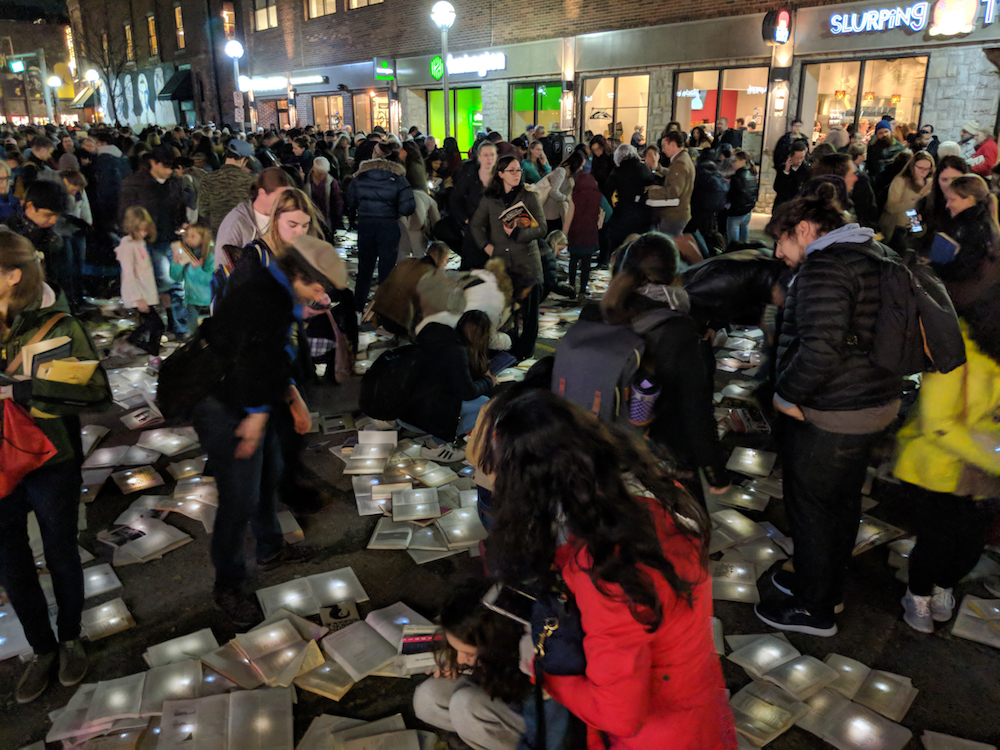
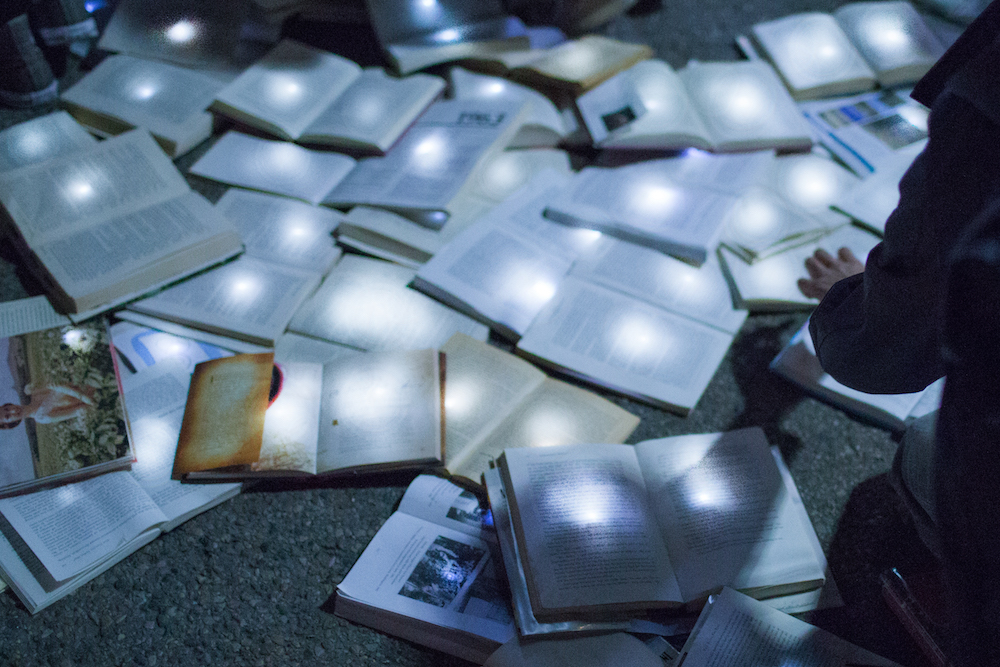
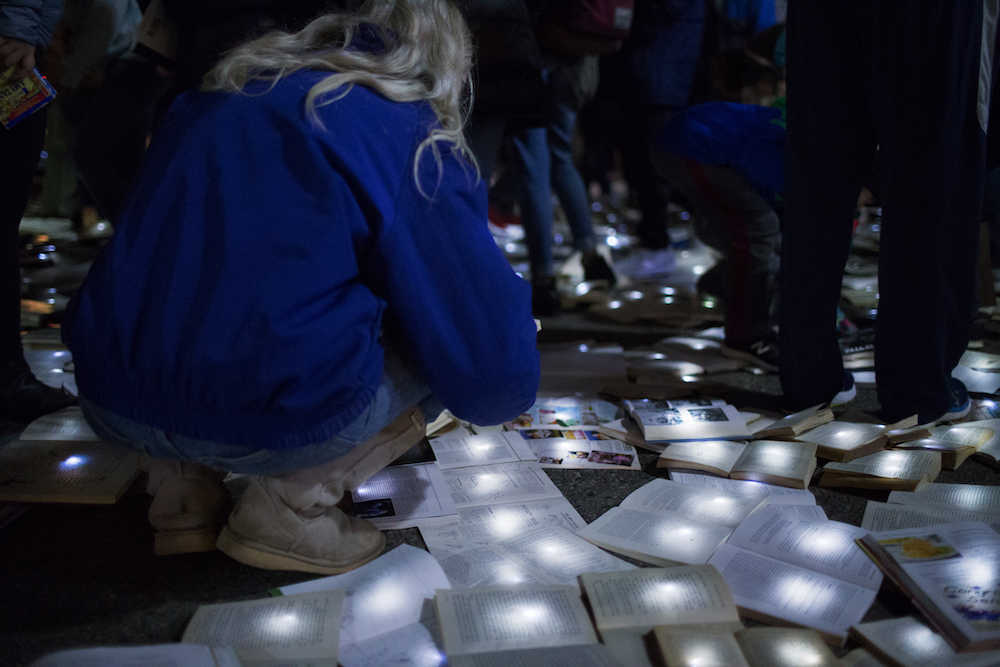
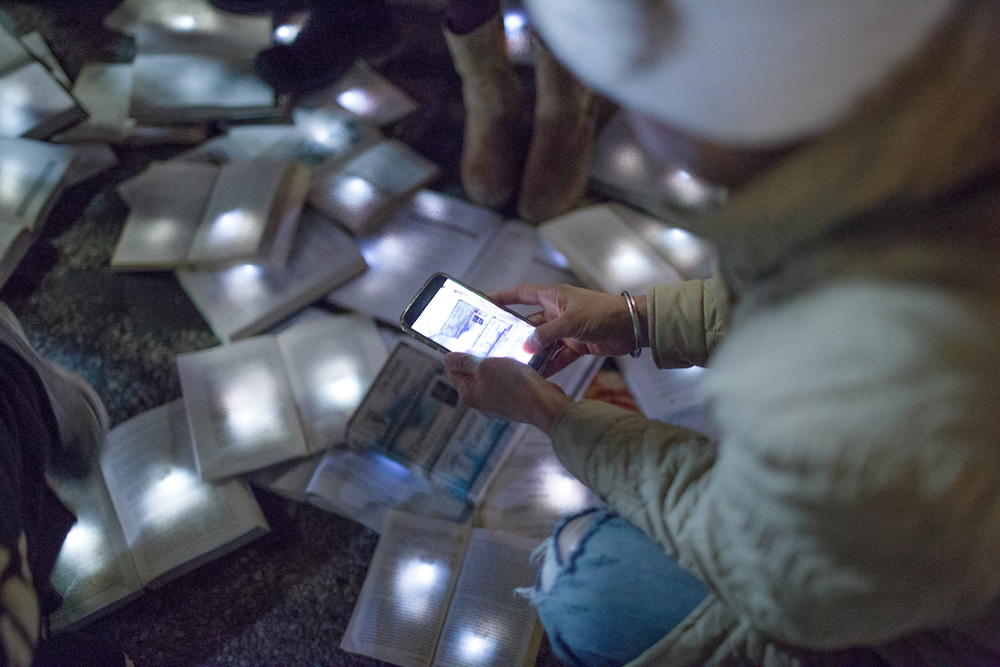
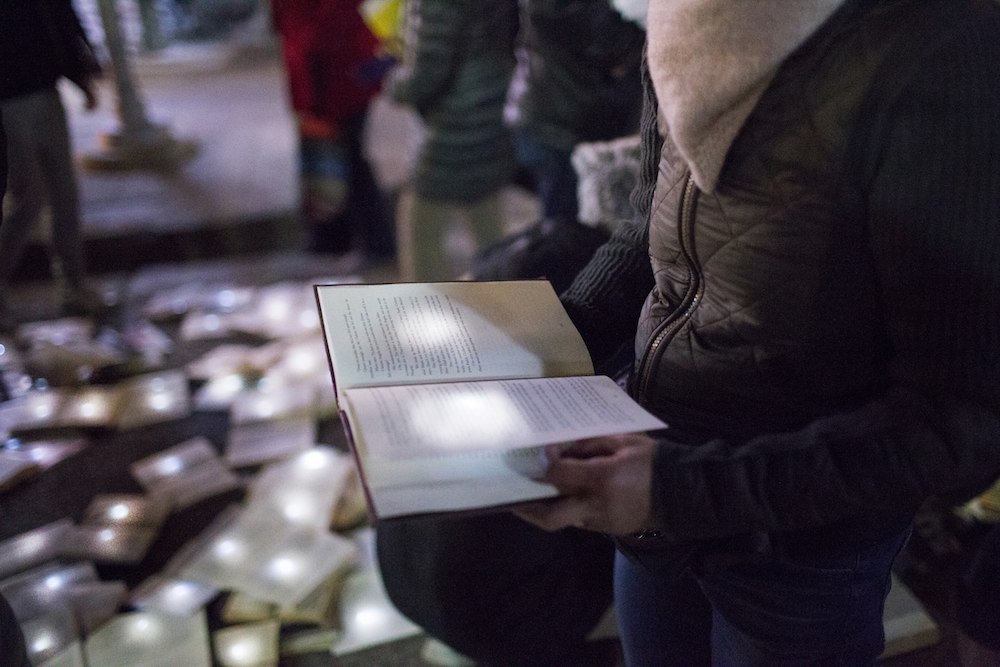
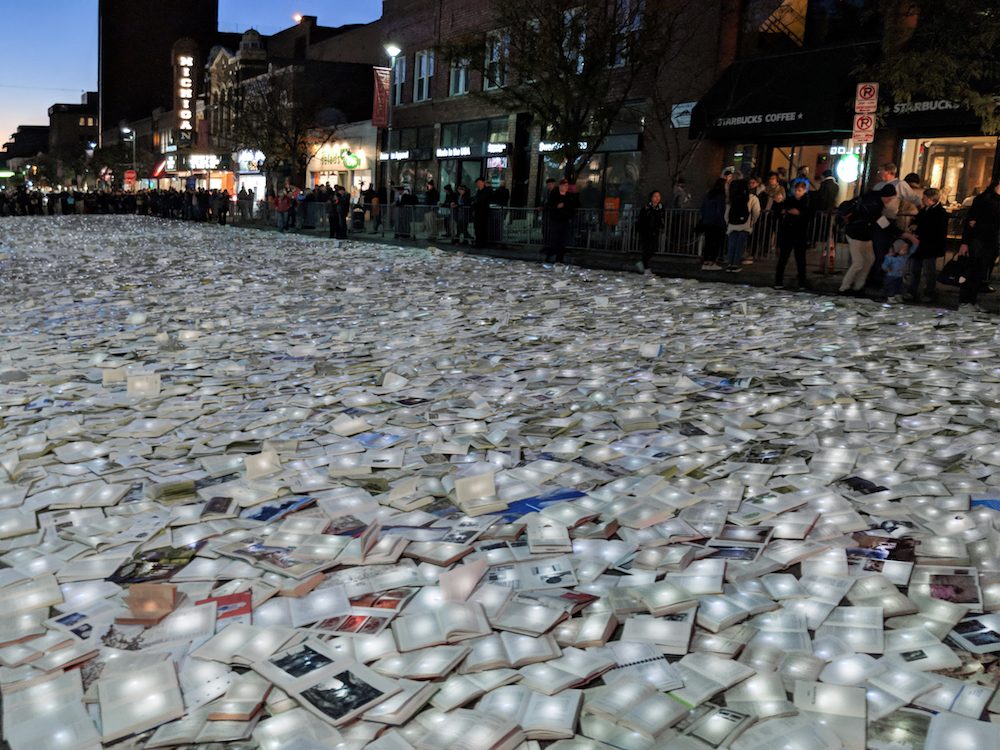
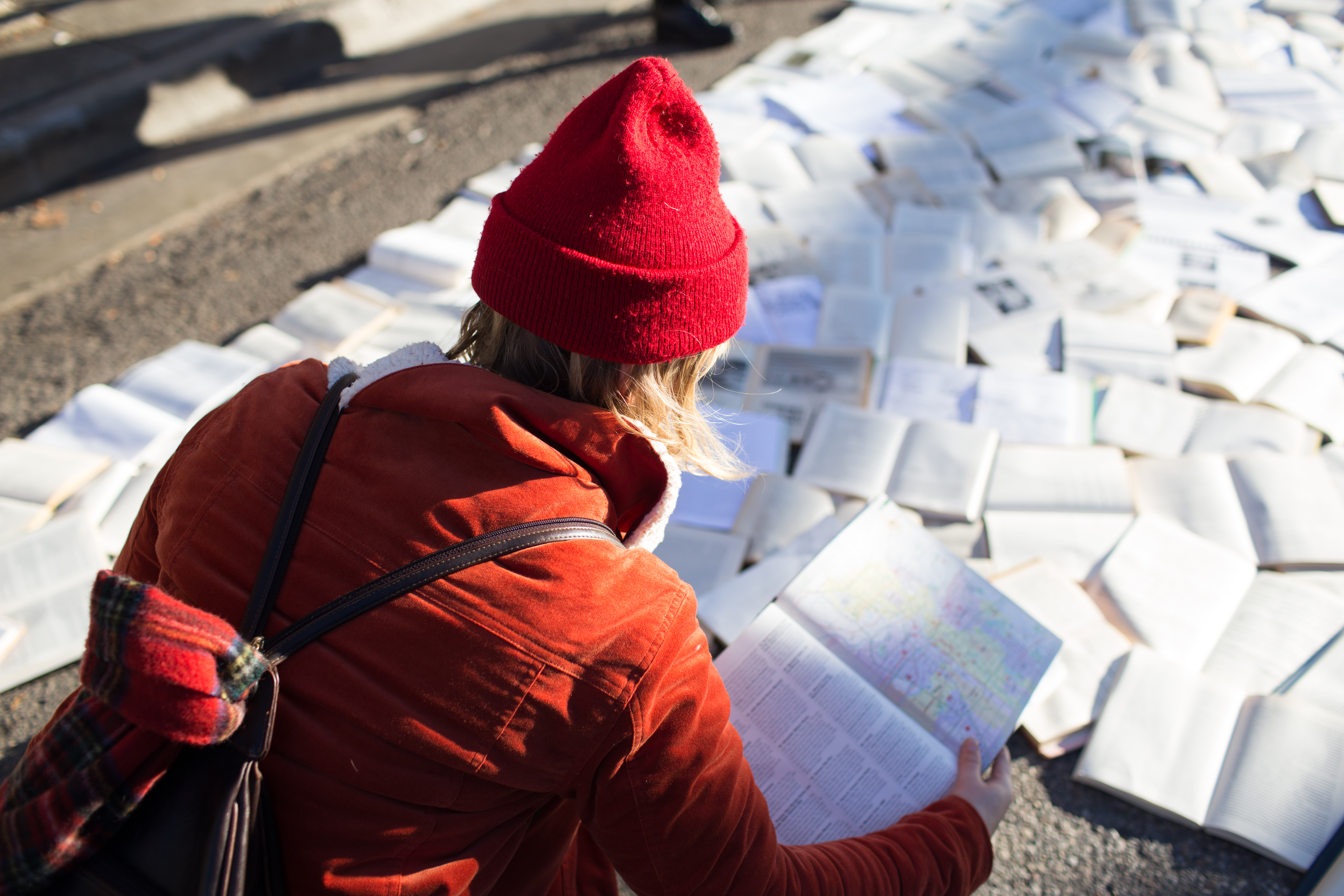
Thus, a place in the city usually dedicated to speed, pollution, and noise, shall turn, for one night, into a place of peace, quiet, and coexistence, lighted by the soft dim light issued from the book pages.
The books will be available for those who want to take them, so the installation will recycle itself and will last as long as its users decide to make it disappear.
Cars will eventually re-claim their place. However, those who walked by this place that night will hold the memory of how once books took over it, so they will have a better relationship with it.”
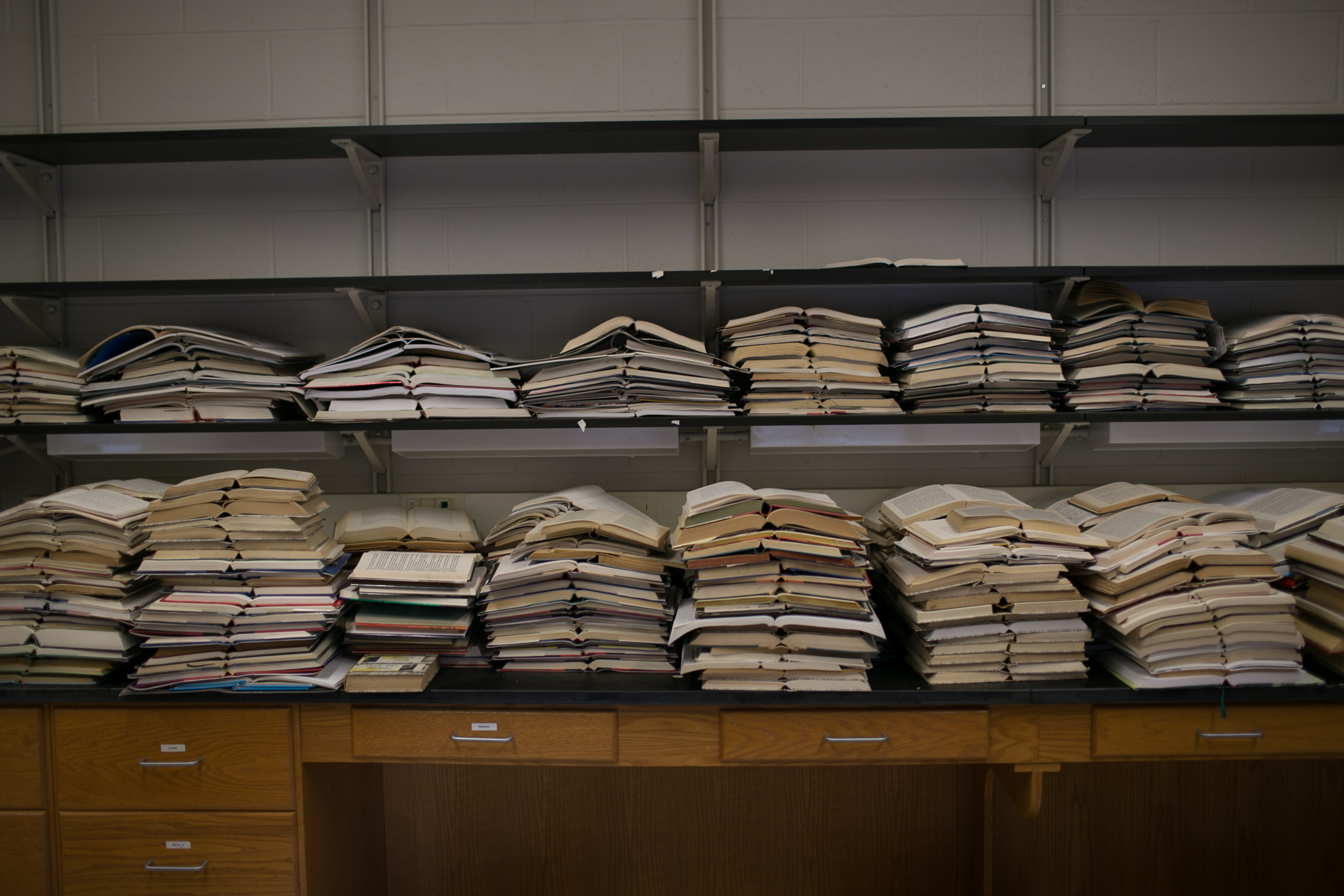
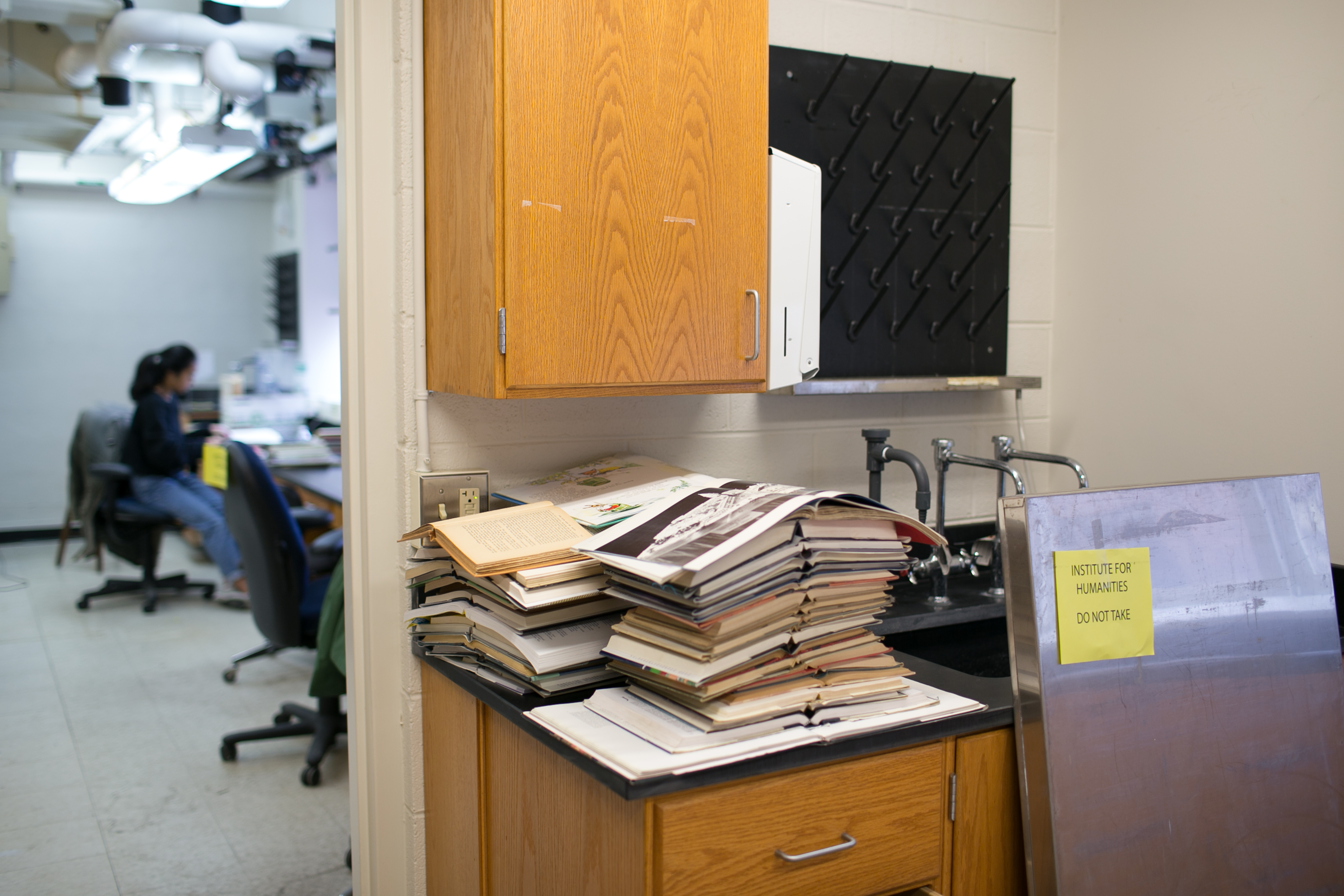
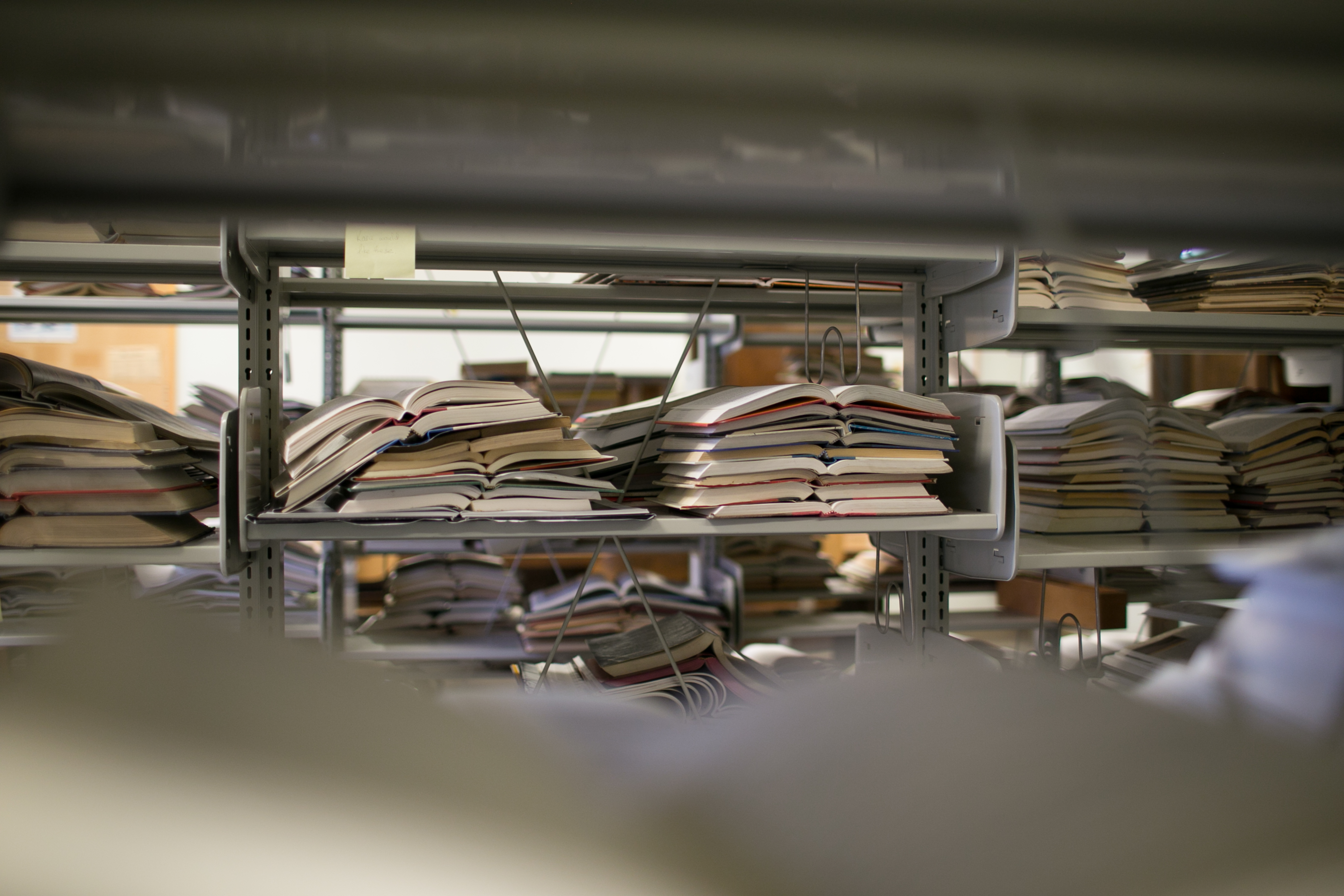
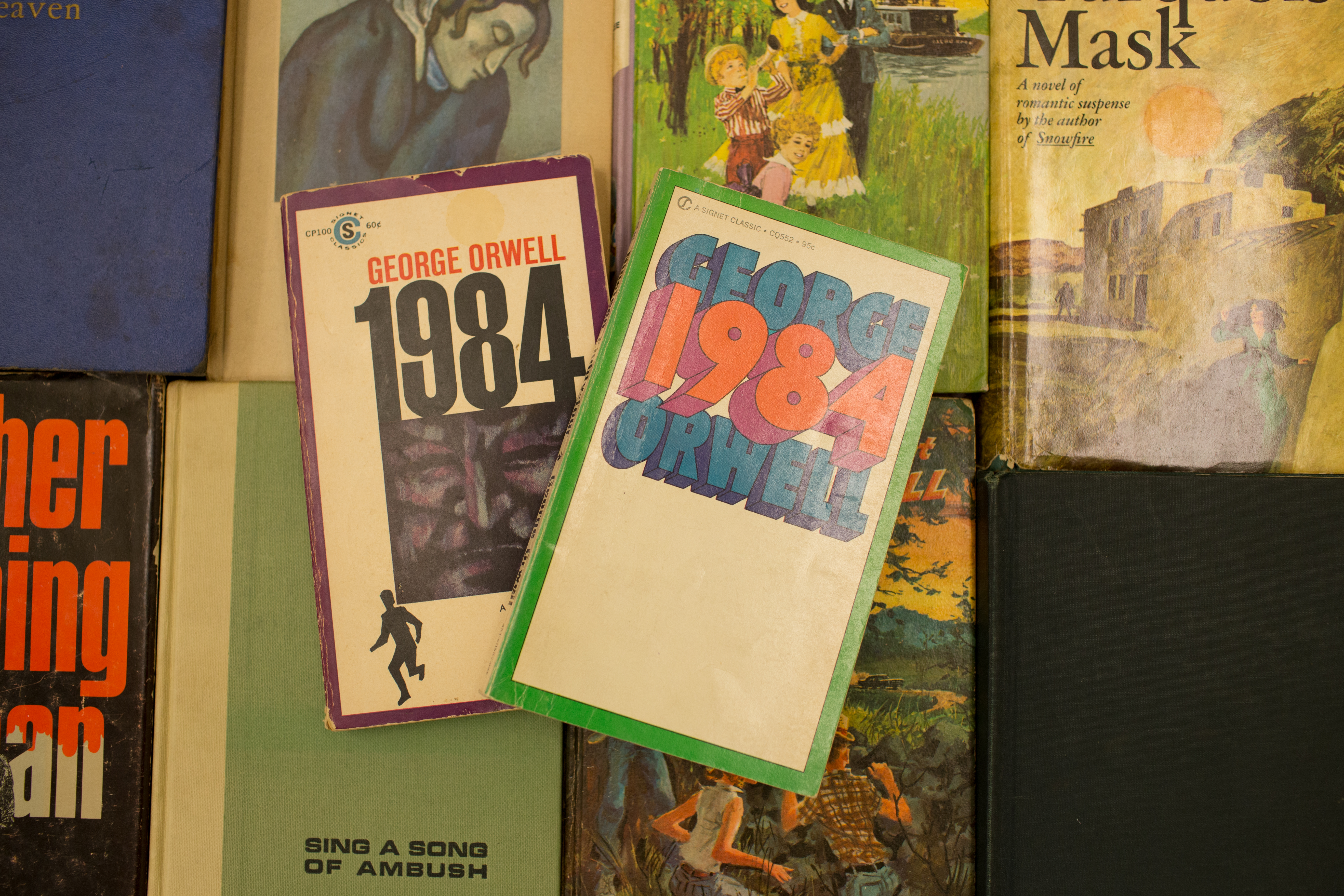
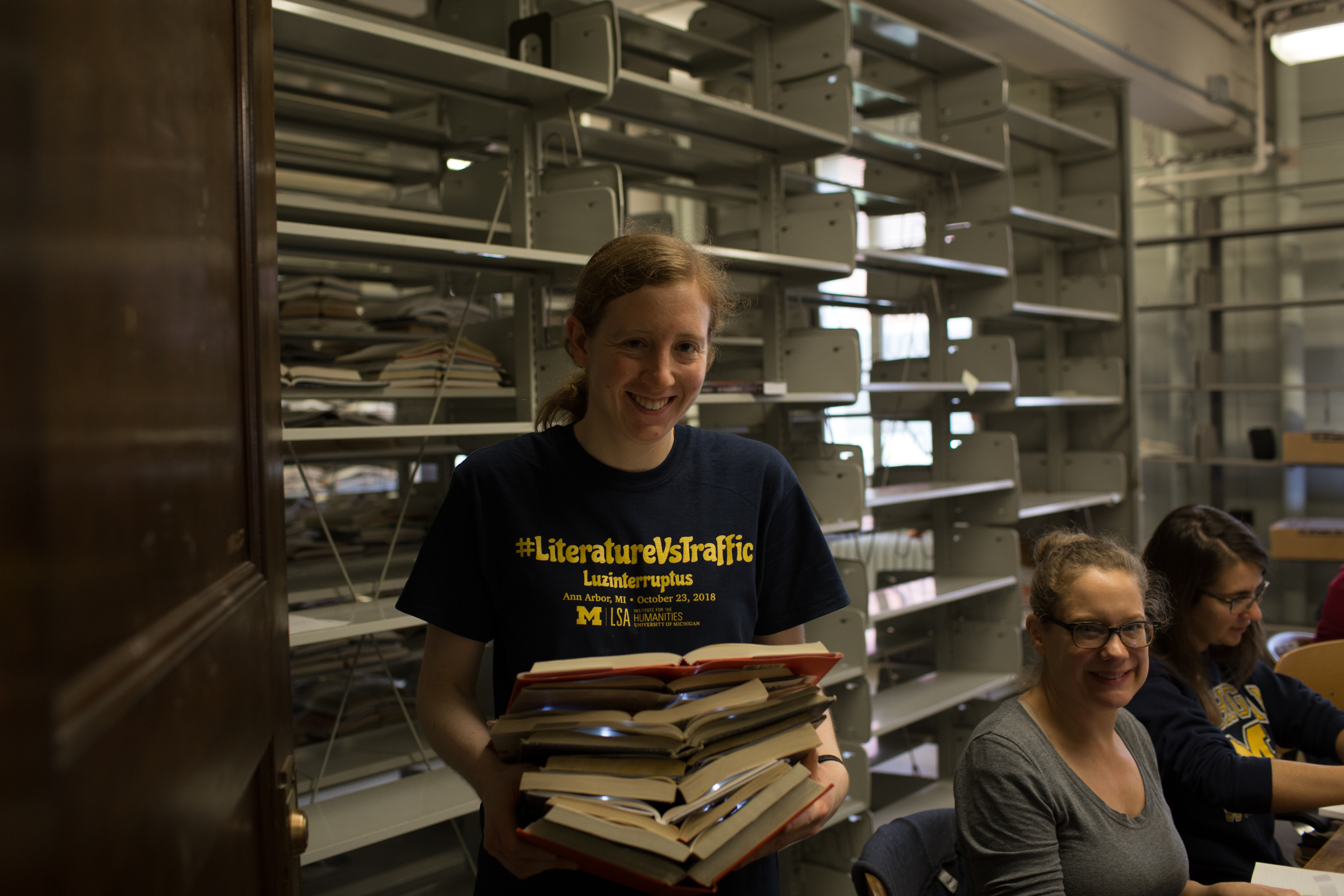
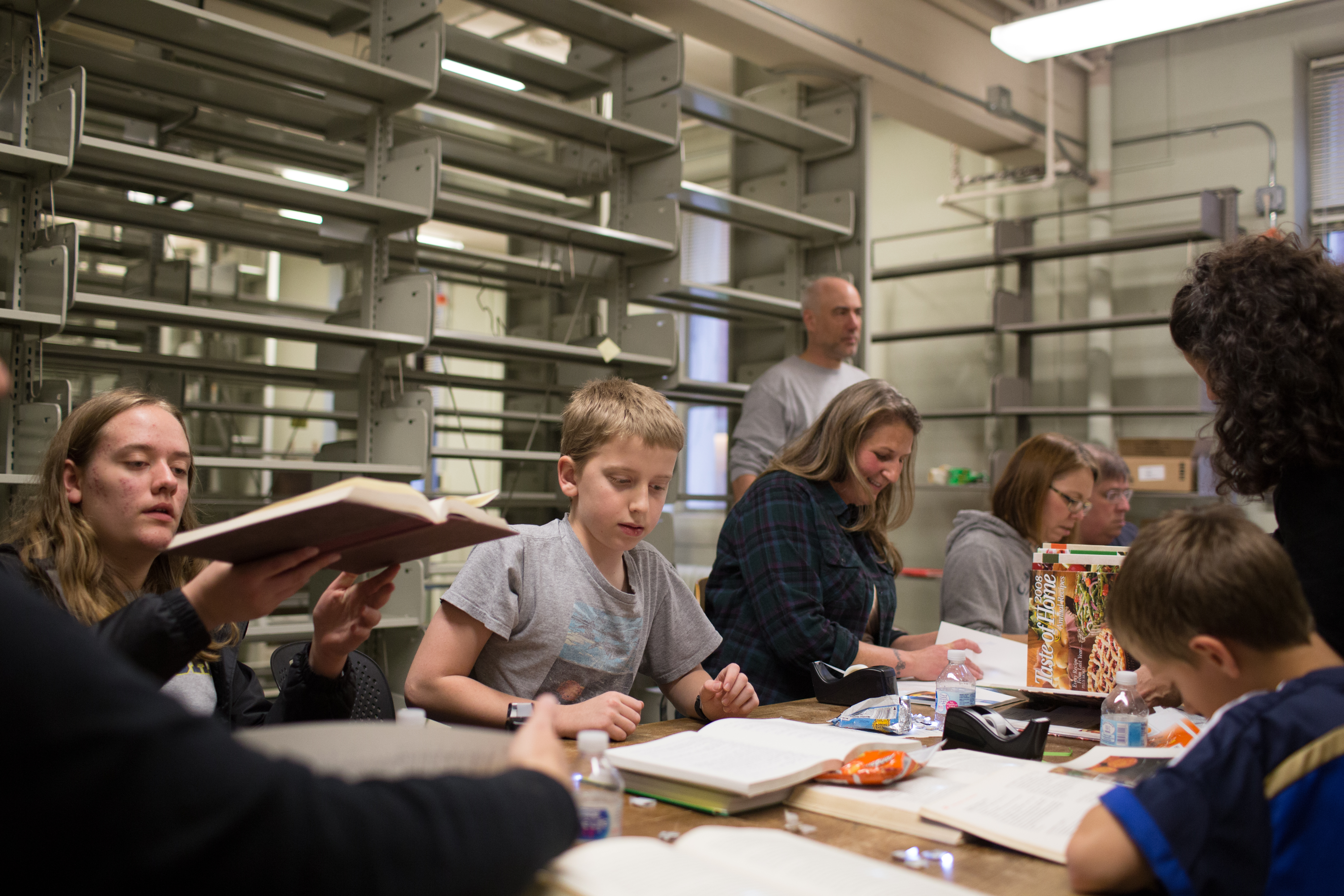
In order to get used books, the university organized a book collection from local book stores and people until we got the 10,000 books we needed. We actually got many more.
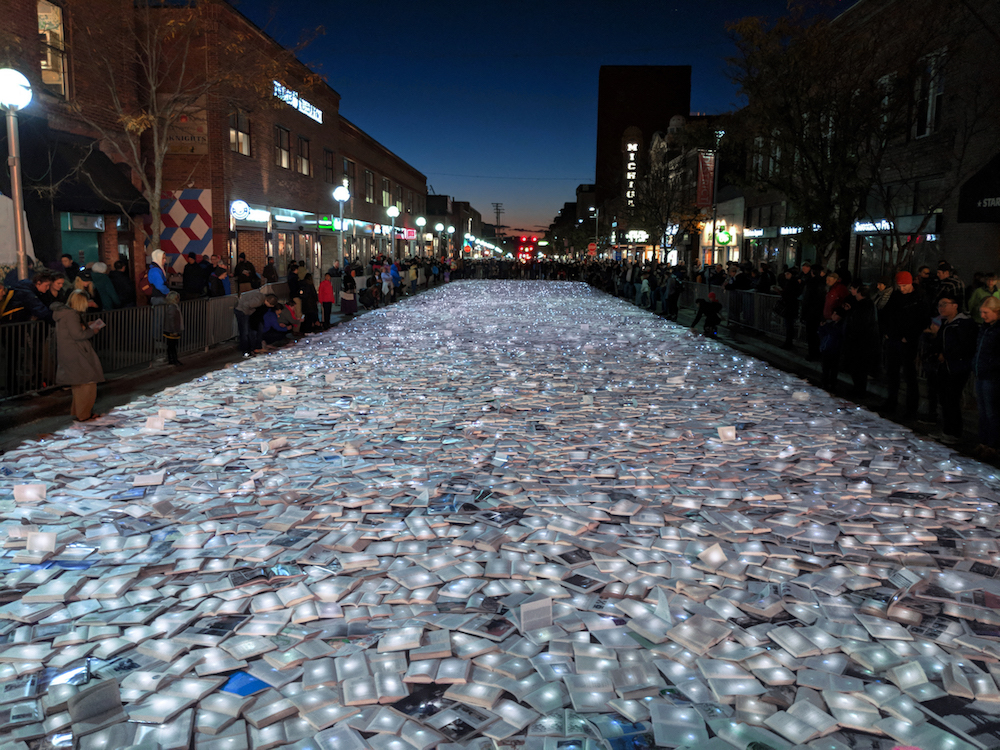
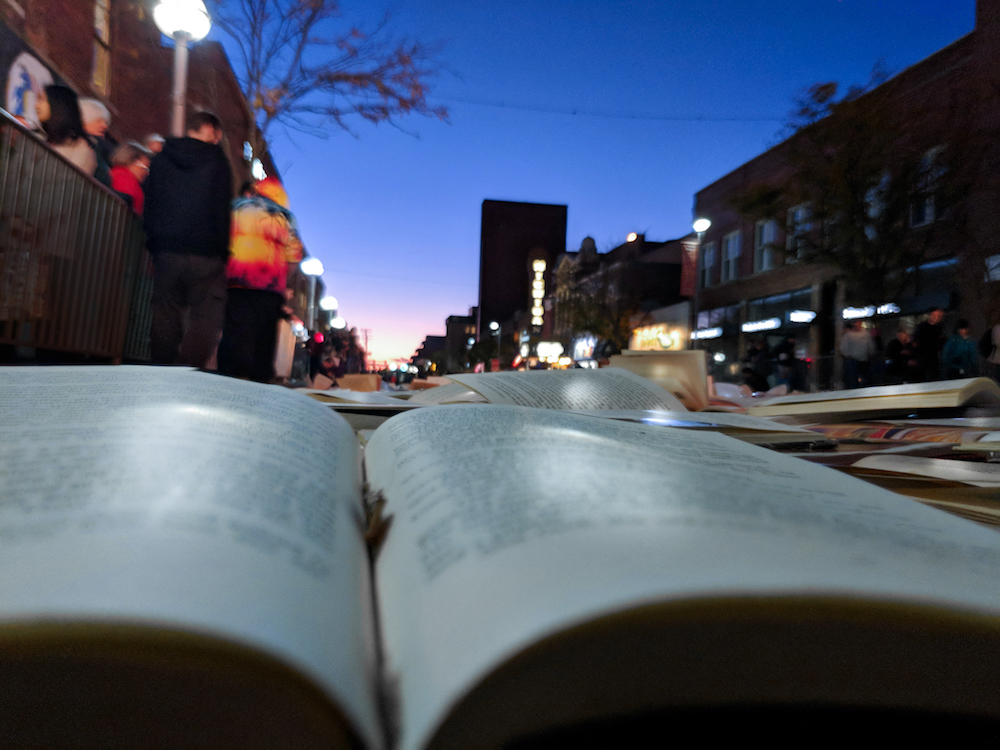
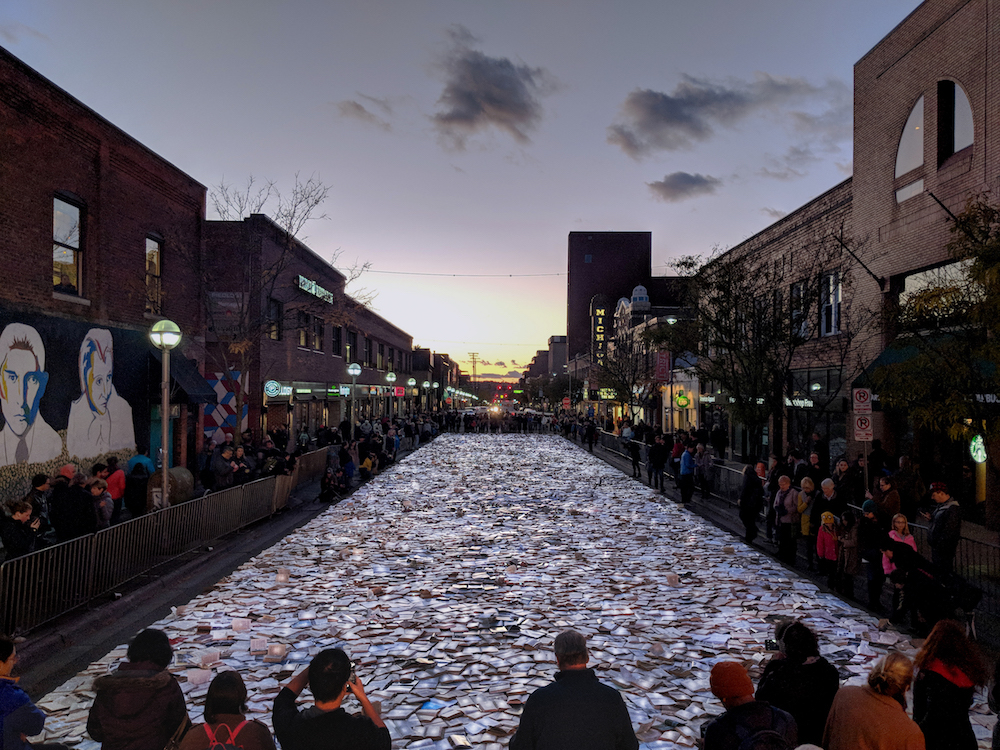
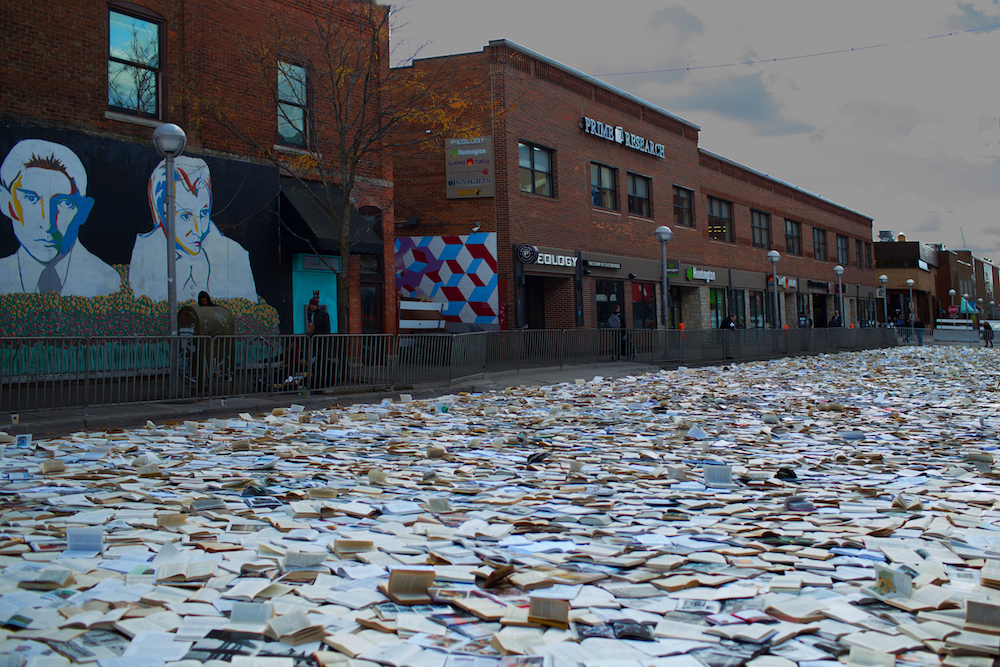
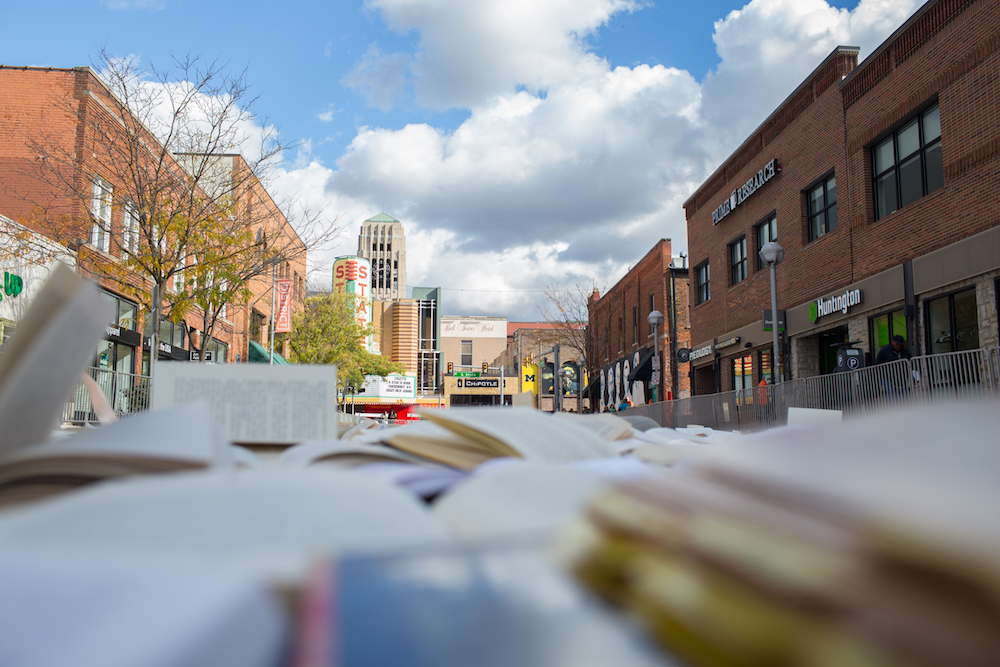
The piece’s location was in itself an organizational feat, as the corner of State Street and Liberty Street forms the town’s main artery and it was closed to traffic for 24 hours. The world did not collapse though.
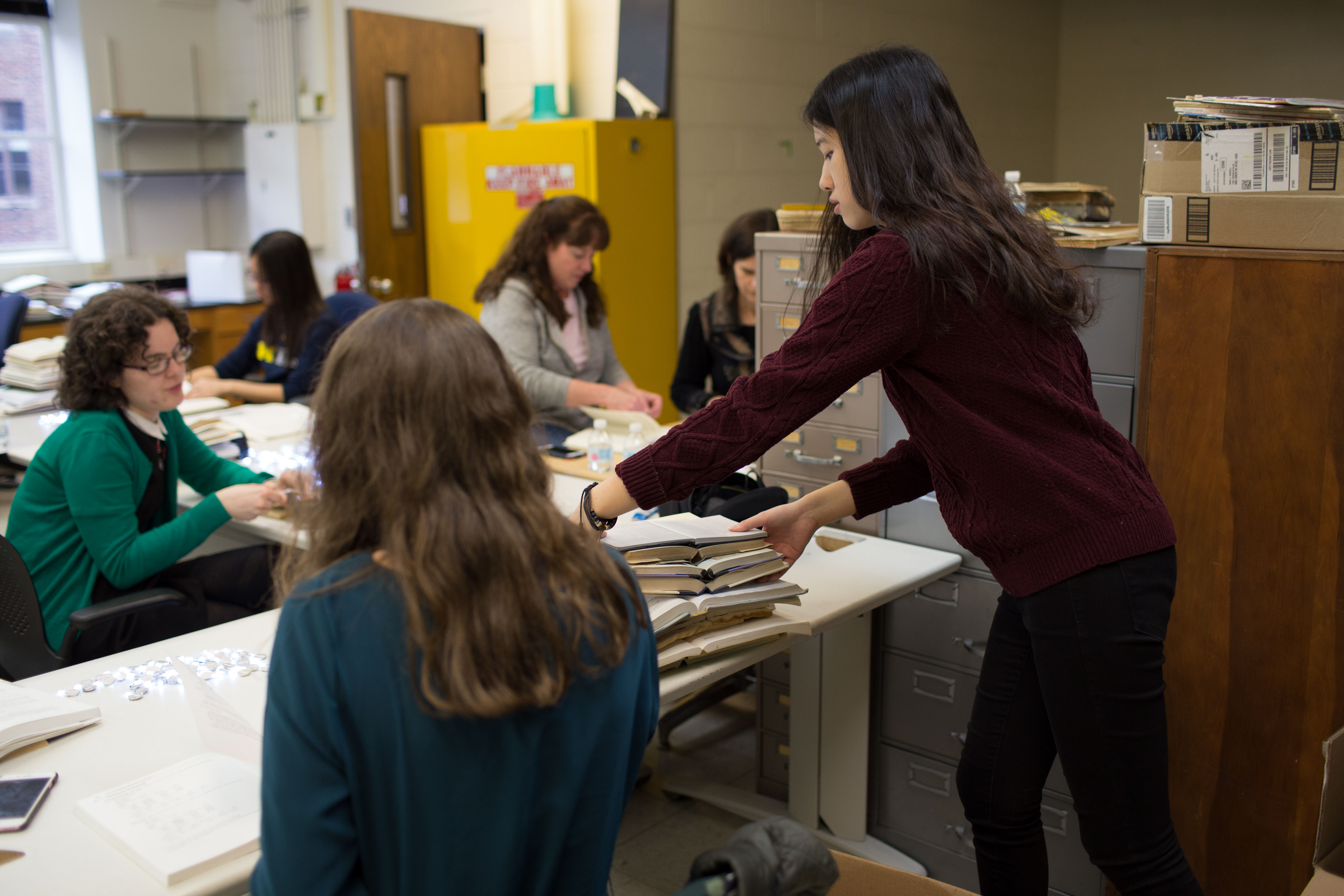
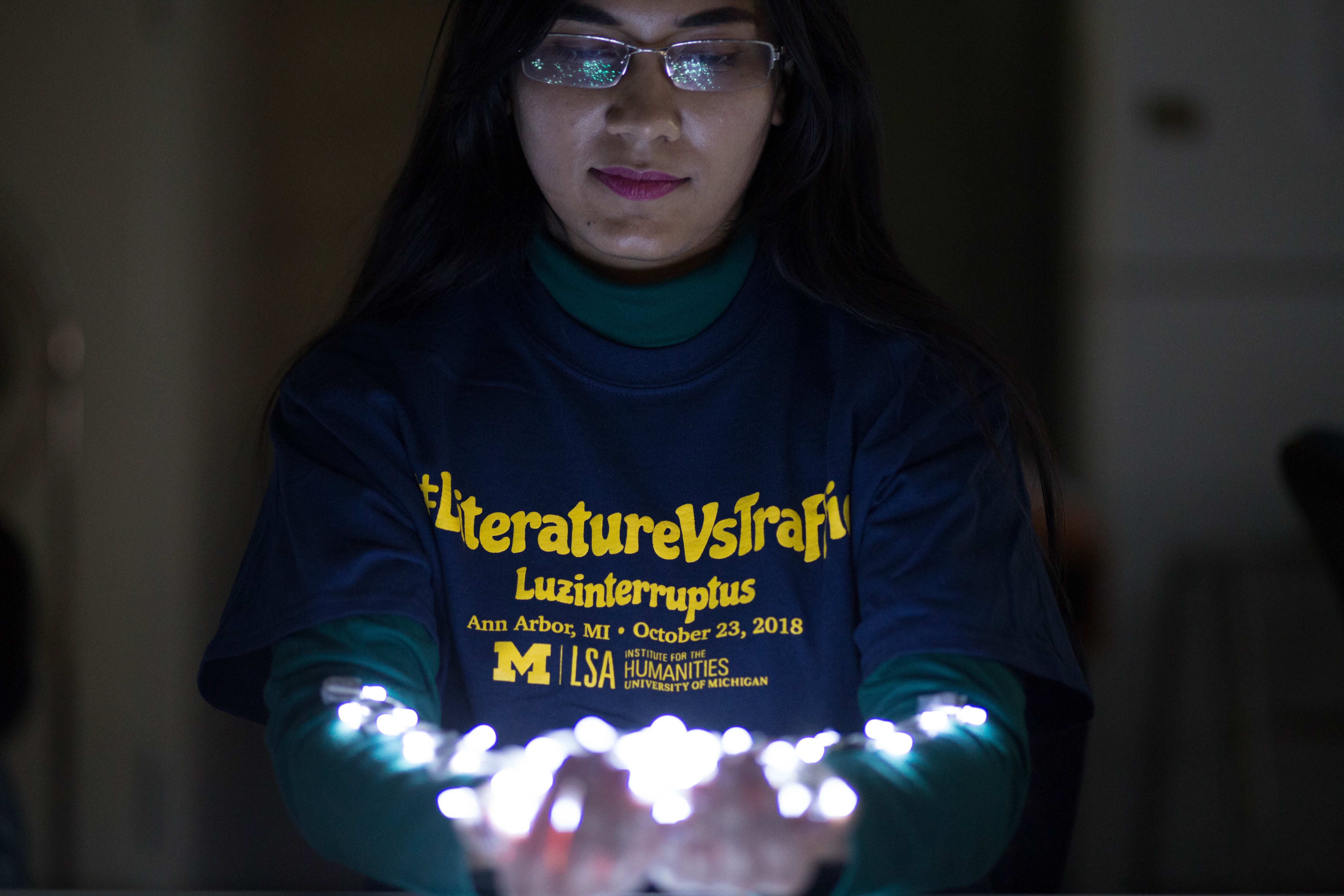
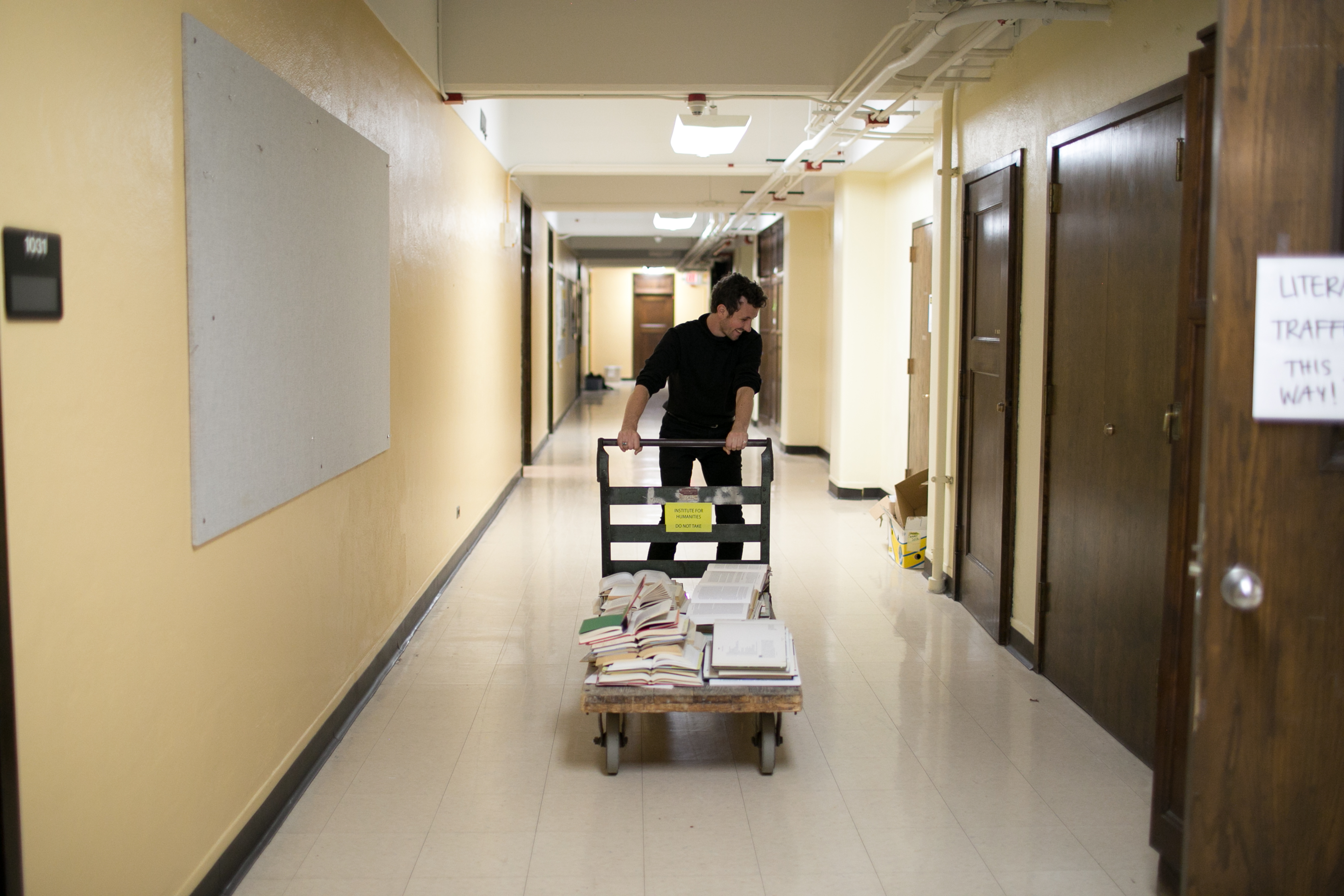
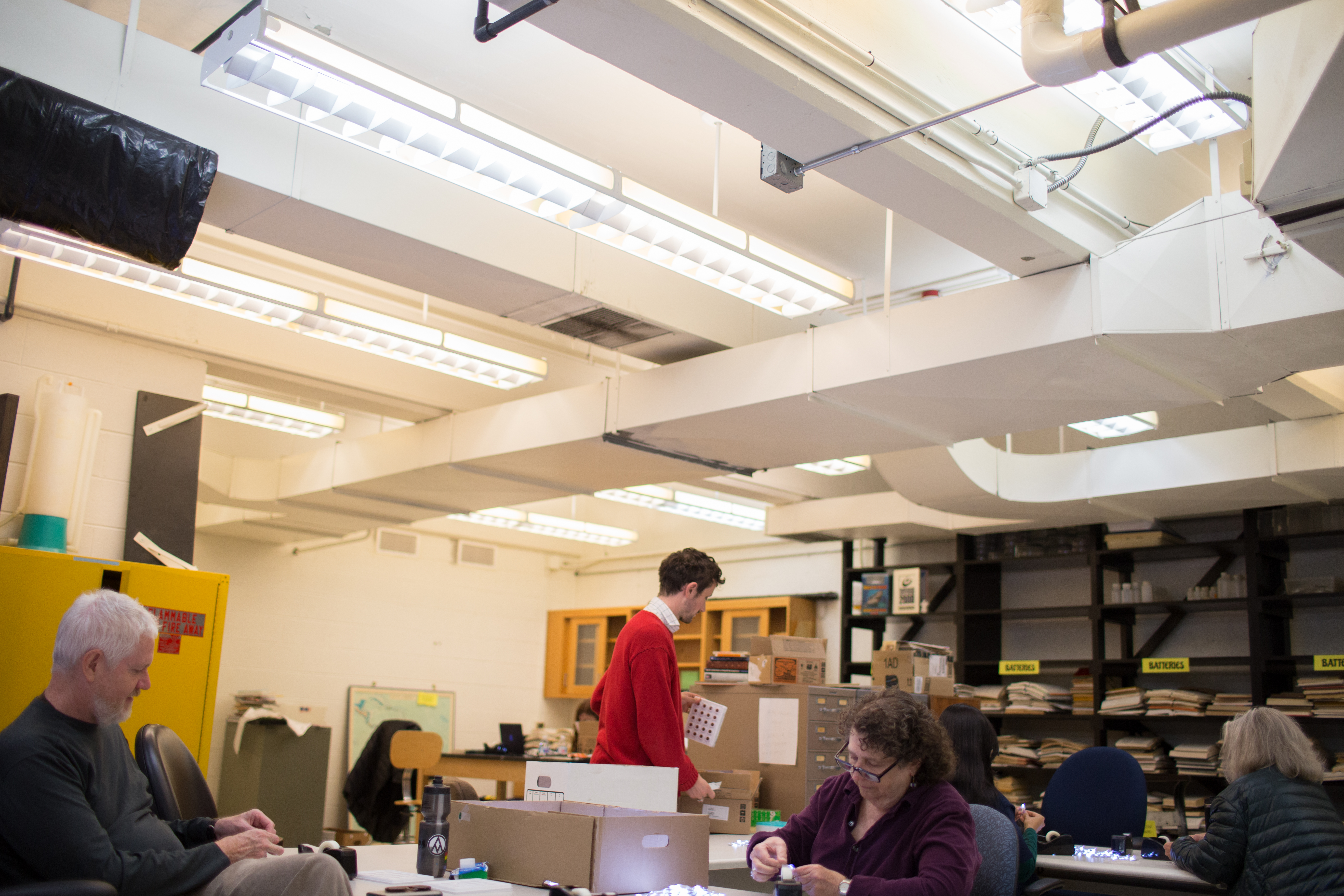
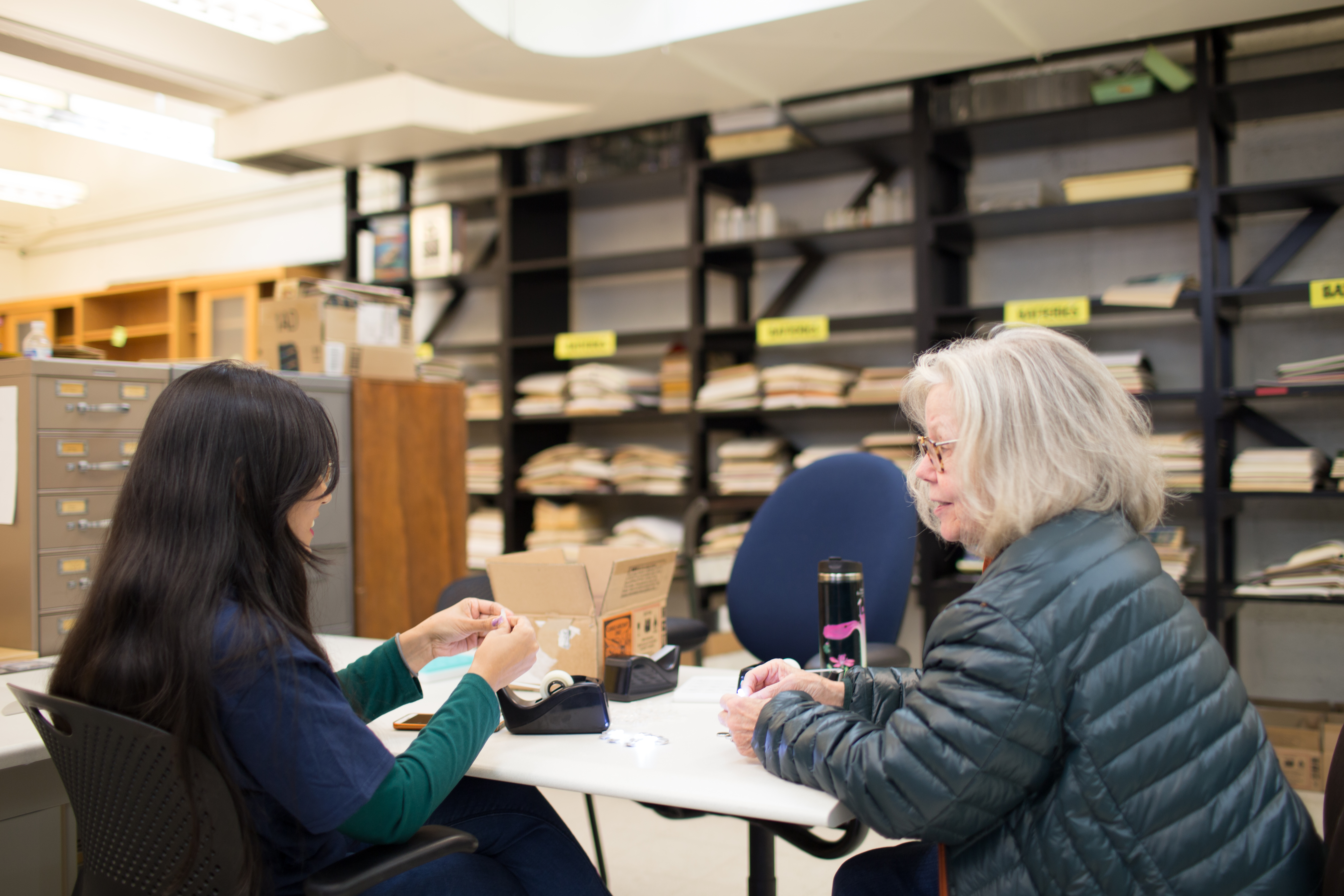
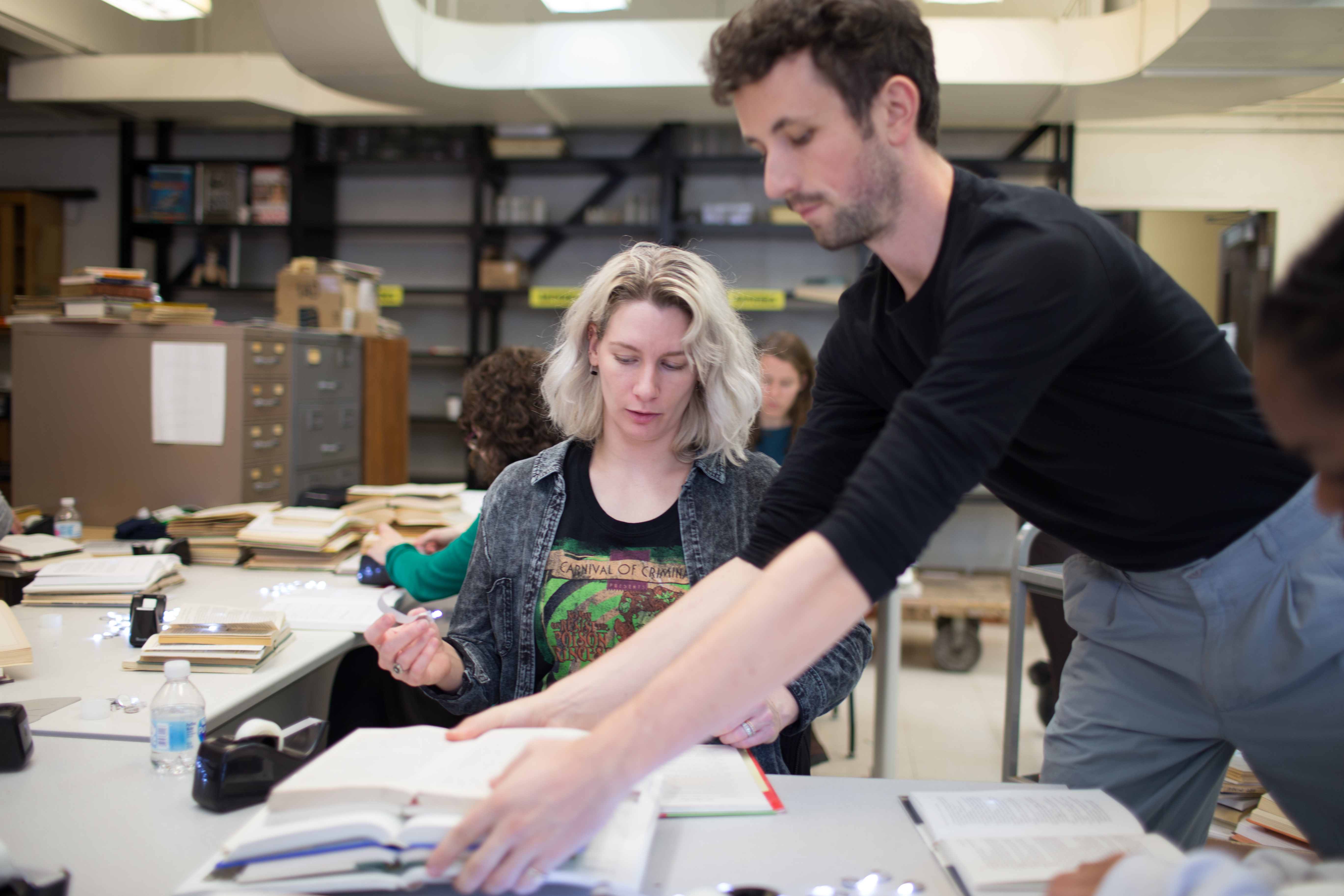
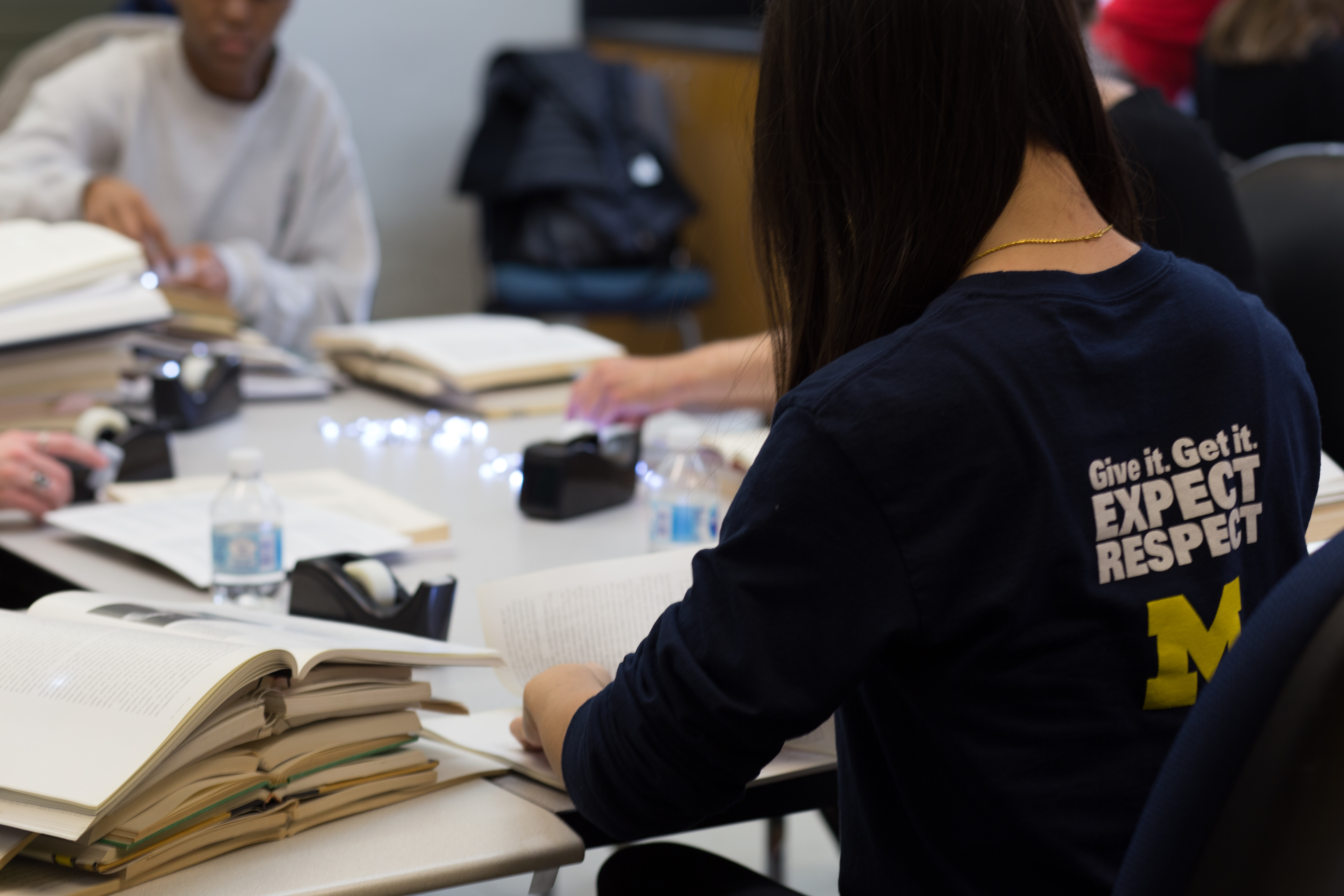
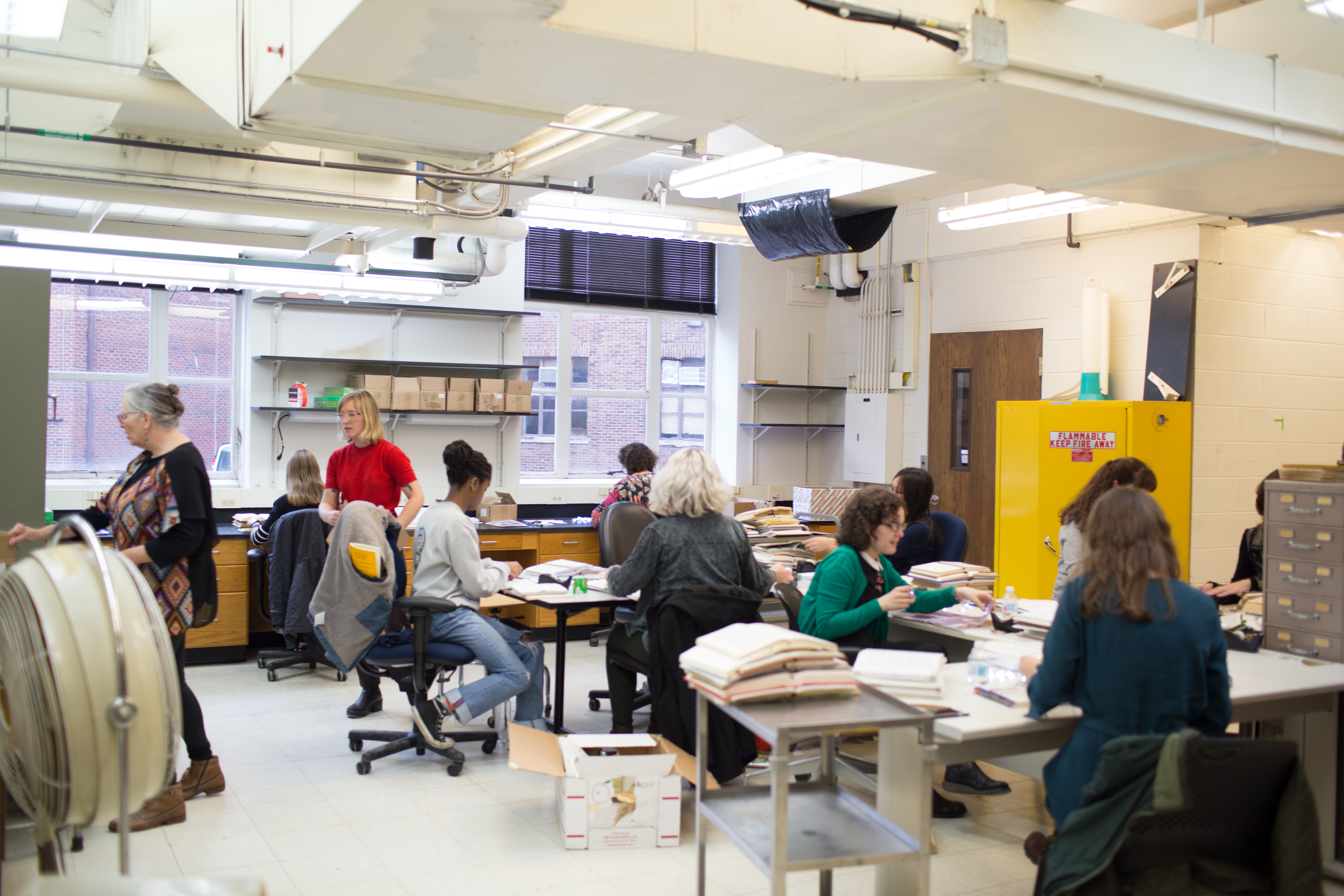
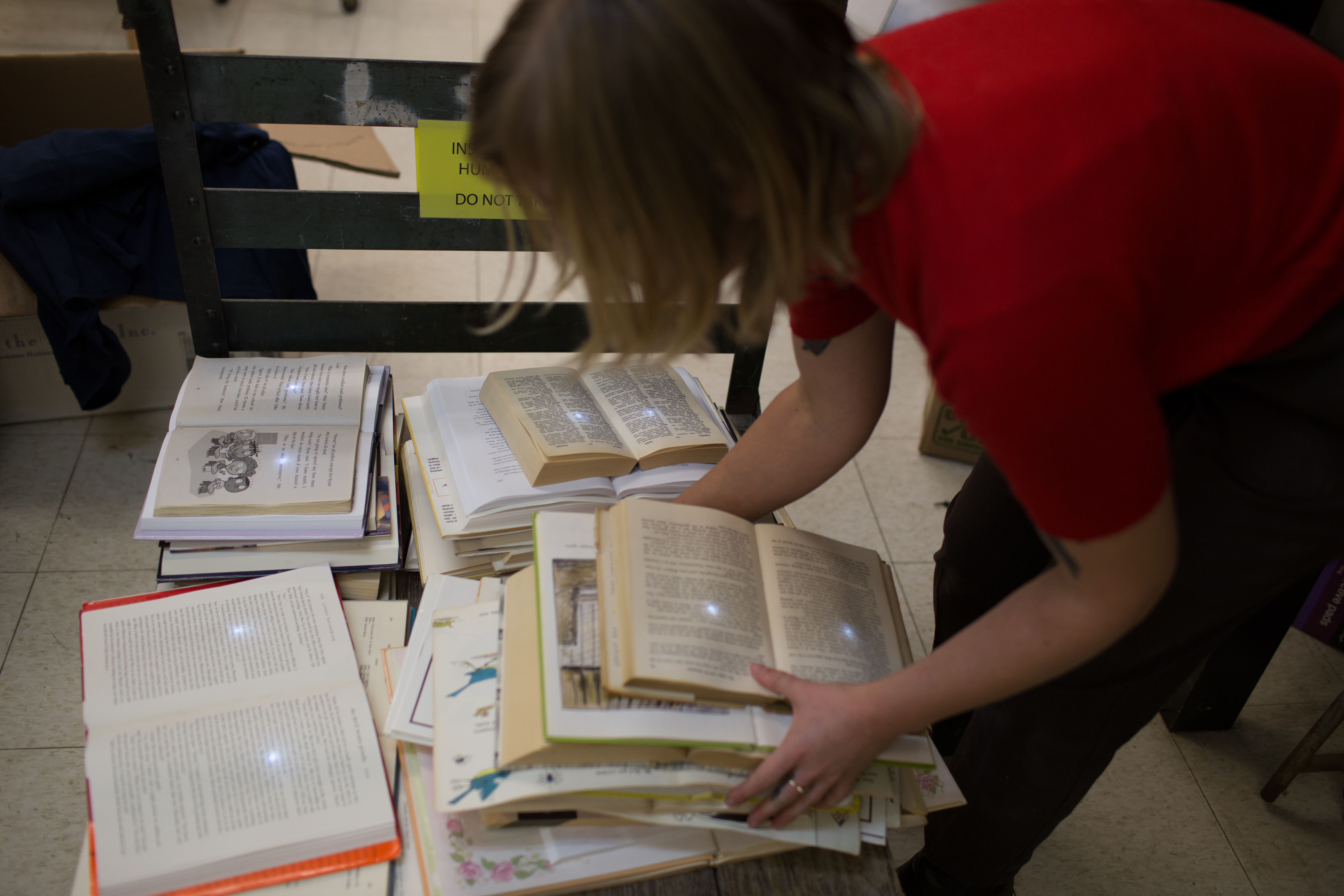
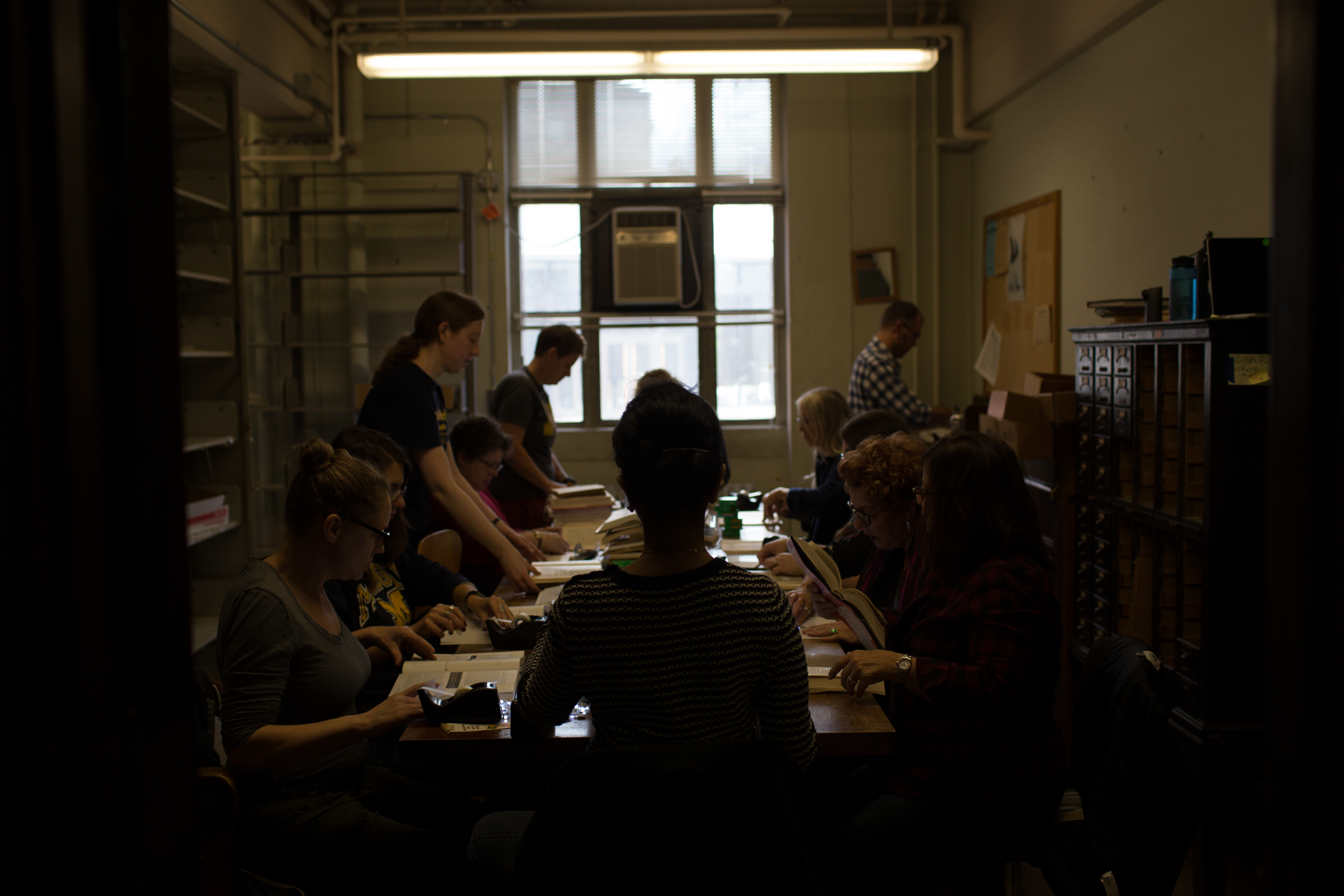
In addition, we counted on 90 volunteers who worked with us during the entire process, starting with the collection and selection of books in the months prior to our arrival. The work intensified during the 10 days we worked together preparing and lighting the books, to finally lay them on the street the day of the exhibition. We spent so much time together, that we became a big family united by light and our love of literature.
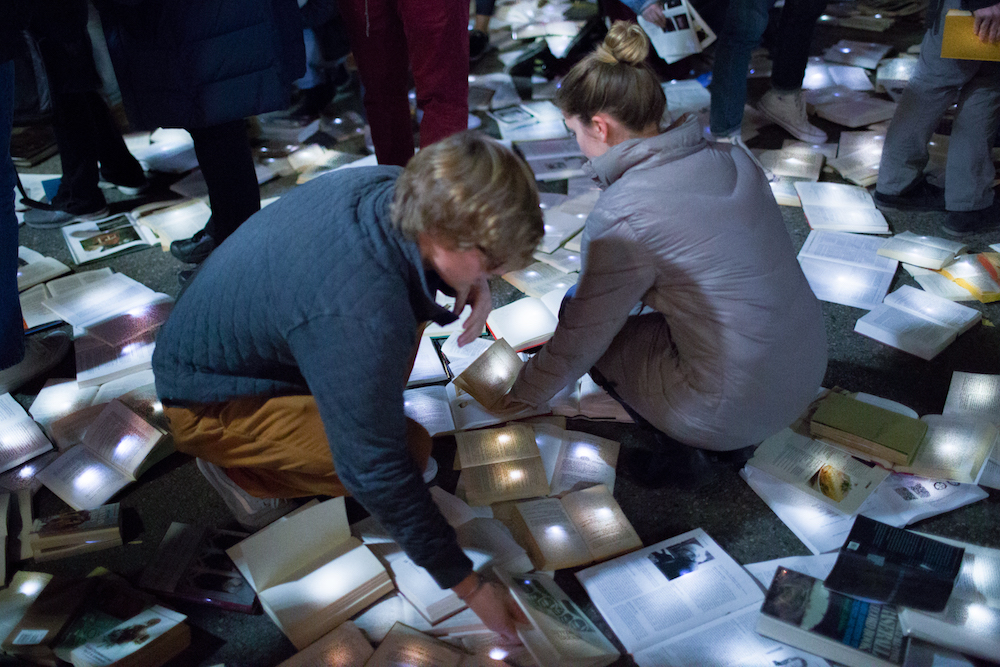
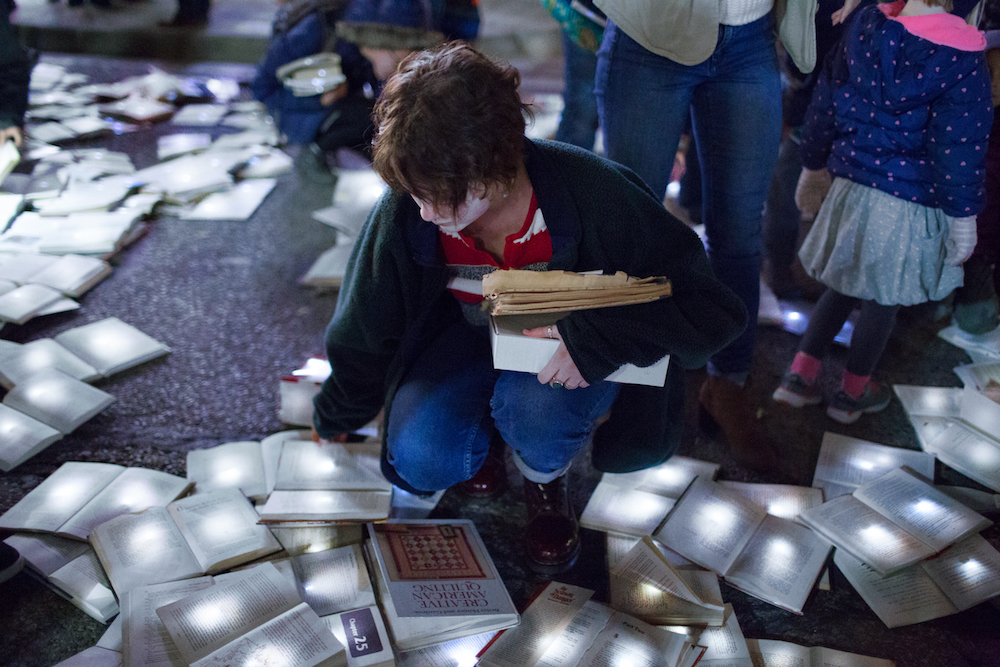
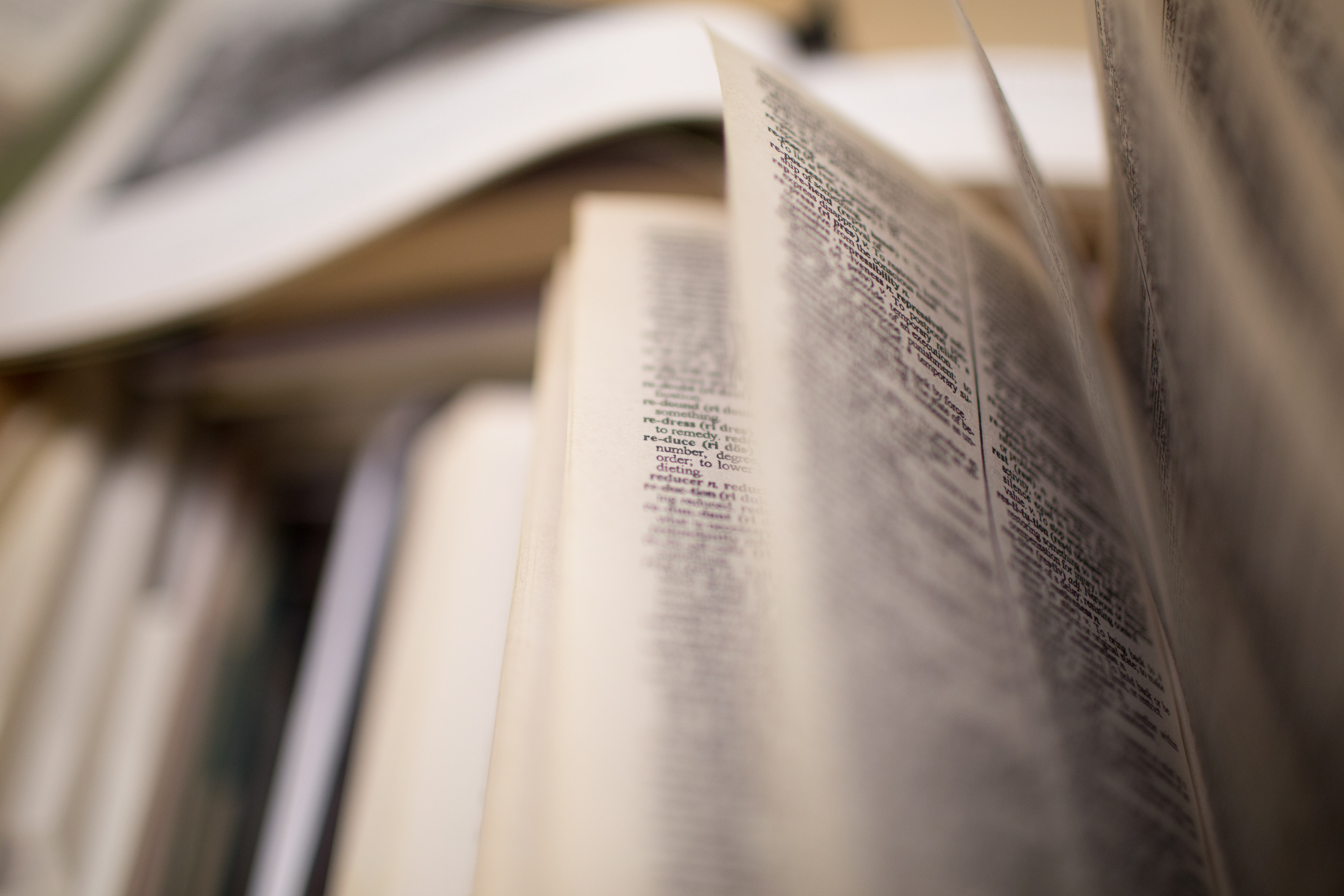
On October 23, we laid 11,000 lighted books on the street, taking over a long stretch of paved street turned, for a few hours, into a river of white waves formed by the book pages stirred by the wind.
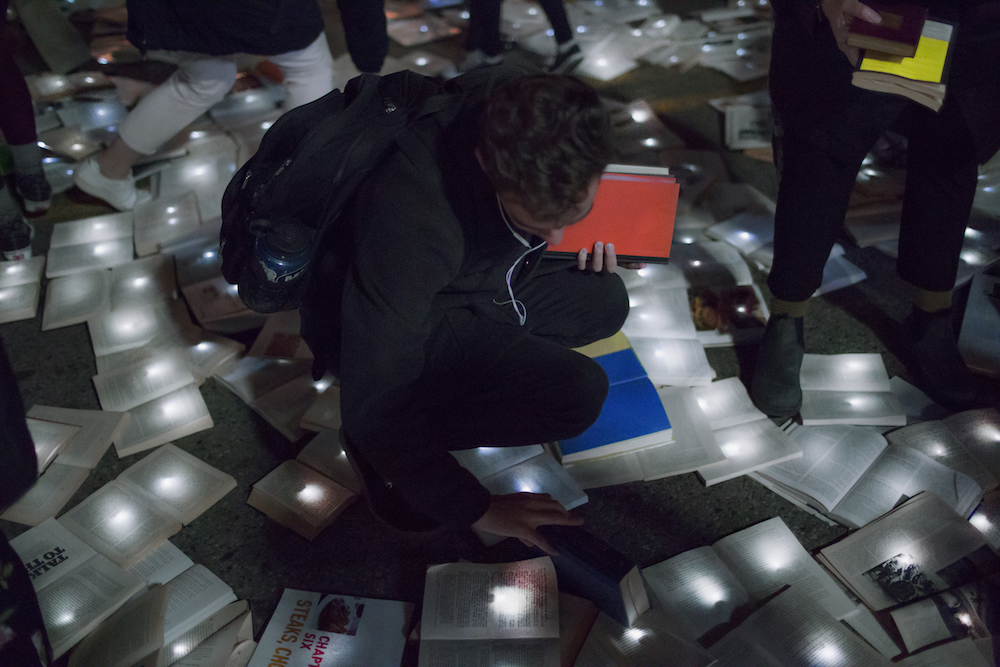
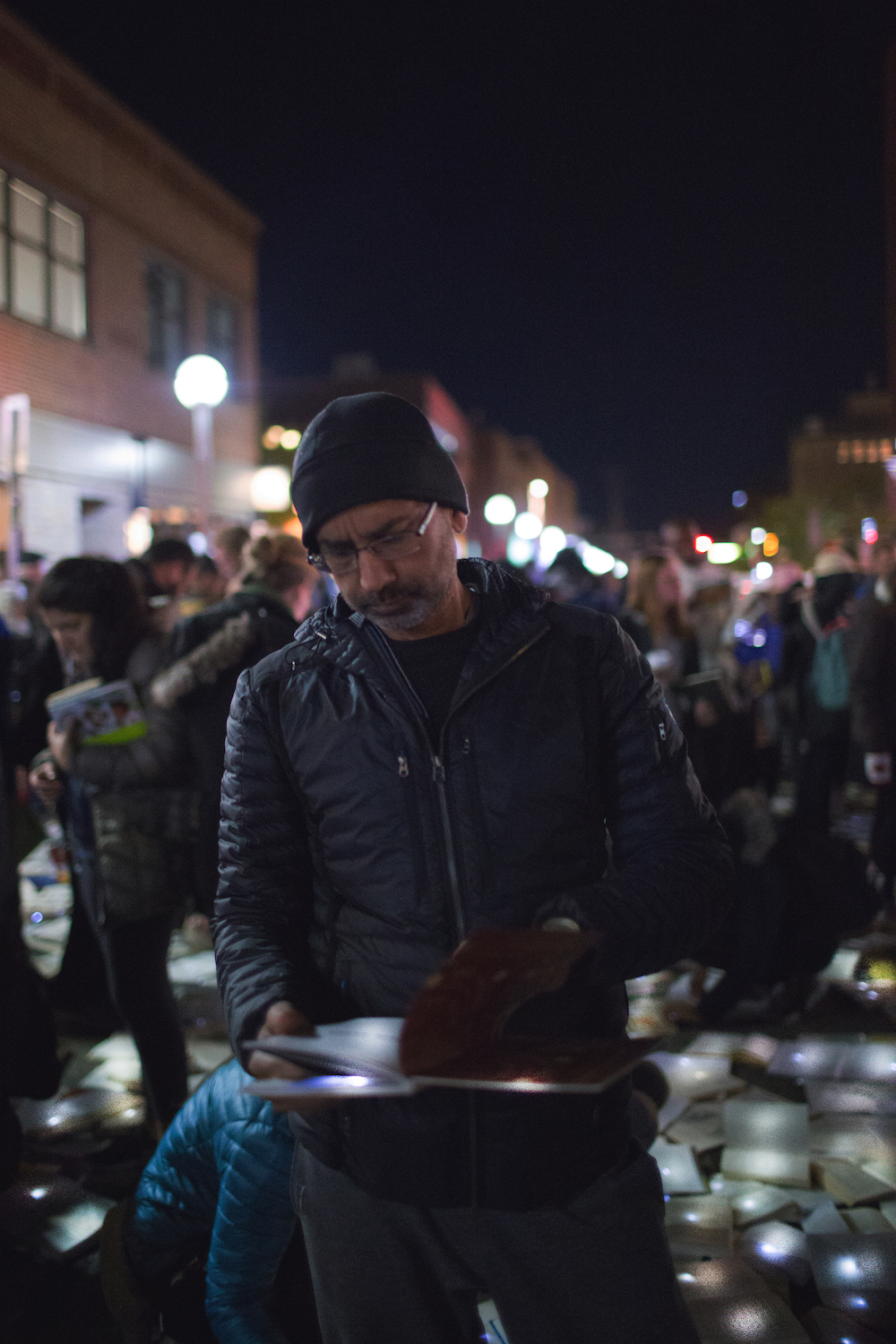
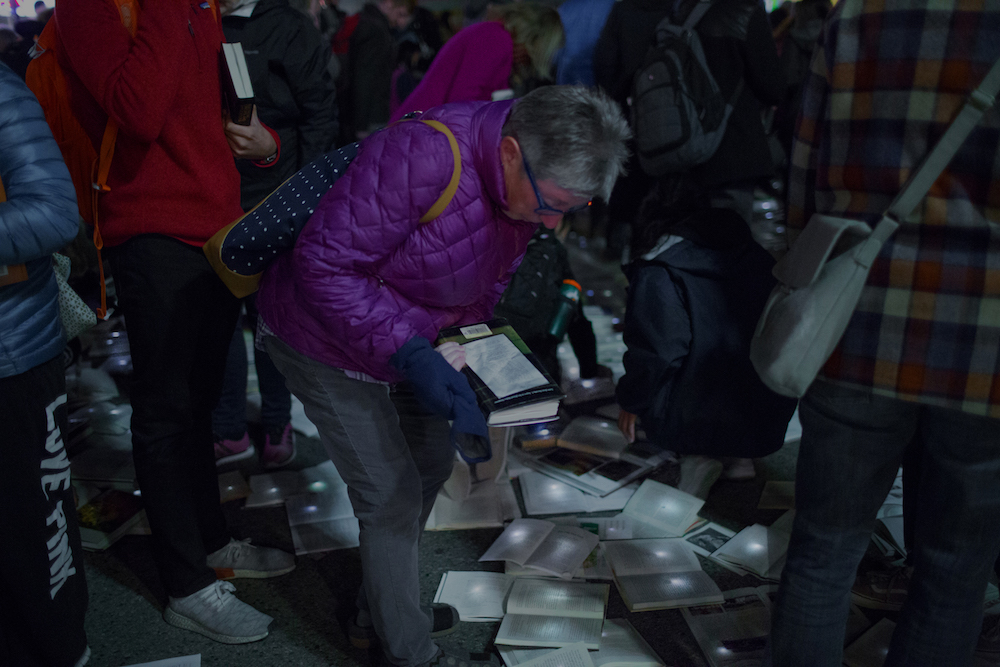
At nightfall, visitors were able to access the interior of the piece and were invited to enjoy the books and to take those they found more interesting.
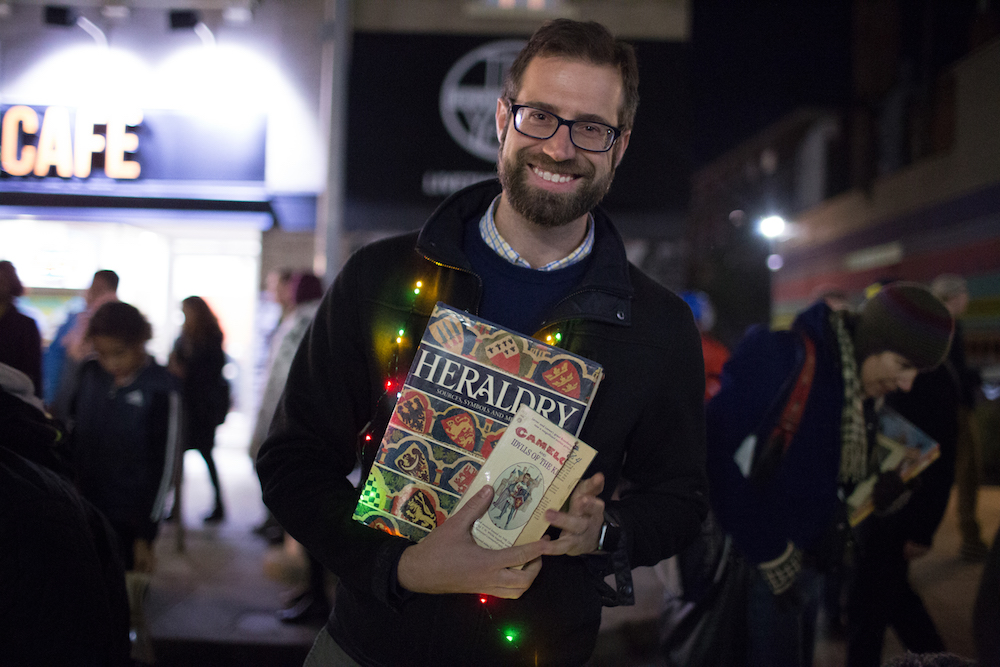
In less than 2 hours, all the lighted books disappeared in large lighted heaps, carried away by excited visitors who filled bars and restaurants with armfuls of books. This was also a magical occurrence.
The street was totally clean and empty by midnight. We were quite pleased because everything was recycled at a stunning speed.
All this was made possible by the University of Michigan and their sponsorship; by Amanda Krugliak, who invited us and did all the complicated paperwork for us in the best of moods and with utmost professionalism; by Lucy and Adam, who stayed with us all the time and helped us with utmost dedication, making volunteers feel totally comfortable.
We would like to thank all those local people, businesses and institutions that donated their books, and our dear volunteers who happily accepted our invitation to work with the books.
We would really like to offer everyone our deepest gratitude. It has truly been an unforgettable experience knowing you all and living in such a literary, humane, friendly town.
Thanks to Melisa Hernández and John Eikost for their excellent pictures.
A special mention to our wonderful workplace, the old building of the museum of natural history, Ruthven Museum, now being re-located, whose mysterious rooms we invaded with our books became the subject of priceless pictures.
Time of installation: 10 days.
Damages: none.
Exhibition time: 12 hours.
https://www.luzinterruptus.com/?p=5800



 Publish
 Videos
 Articles
 Events
 EN
EN













Comments
Please Log in or Register to comment