


The Significant Role of Light Art in the Energy Sector
In an era where the quest for renewable energy and sustainability dominates global discourse, the intersection of light art and energy might seem unlikely. Traditionally, the energy sector has been viewed as a purely technical field, driven by engineering, economics, and policy. However, light art is increasingly playing a significant role in this domain, shaping how energy is produced, consumed, and perceived.
Light Art Energy: Merging Light Art and Sustainability
Founded by Malte Kebbel, Light Art Energy is dedicated to merging light art with renewable energy and cultural awareness. Through the website [Light Art Energy](https://lightart.energy), Kebbel aims to create a platform where artists, scientists, and technologists collaborate to foster innovation and creativity in sustainable practices.
Bridging the Gap Between Technology and Humanity
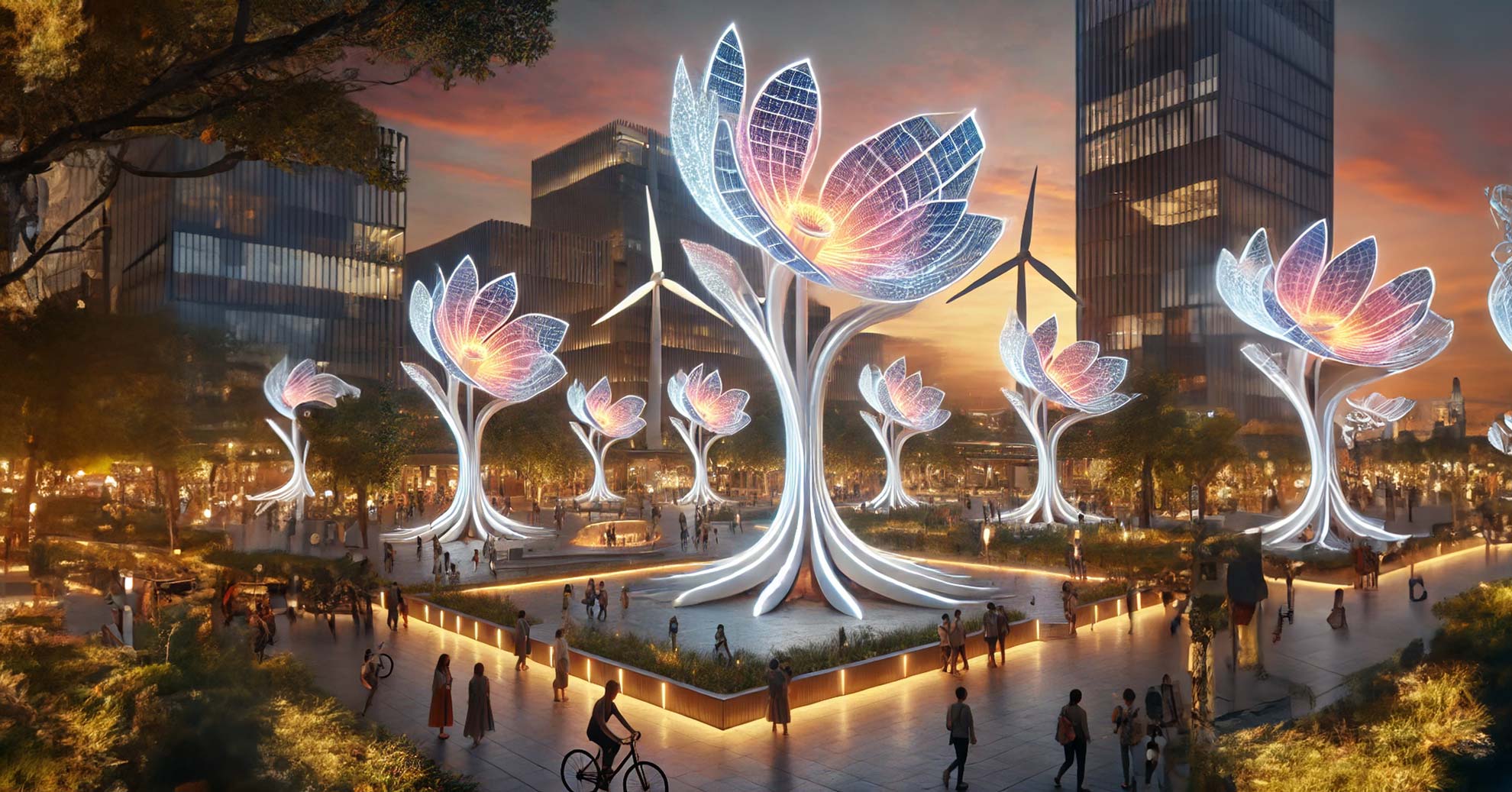
Light art has the unique ability to humanize complex technological advancements. By incorporating artistic elements into energy projects, we can make abstract concepts more tangible and relatable. For instance, artistic designs in solar panels and wind turbines can transform these structures from industrial eyesores into iconic symbols of sustainability. This not only enhances public acceptance but also fosters a deeper emotional connection to renewable energy initiatives.
Influencing Public Perception and Awareness
Light art serves as a powerful tool for education and awareness. Through public installations, exhibitions, and interactive displays, artists can highlight the importance of renewable energy and environmental stewardship. Such artistic endeavors can demystify energy technologies and make them accessible to a broader audience. This increased awareness can lead to more informed and engaged citizens, driving demand for sustainable energy solutions.
Promoting Cultural Integration and Community Engagement
The integration of light art in the energy sector also promotes cultural balance and community engagement. Artistic projects that reflect local culture and values can enhance the sense of ownership and pride among community members. For example, community-driven light art installations powered by renewable energy sources not only provide functional benefits but also celebrate local heritage and creativity. This cultural integration ensures that energy projects are not just imposed on communities but are co-created with them.
Shaping Sustainable Urban Landscapes
Light art is pivotal in transforming urban landscapes into sustainable and aesthetically pleasing environments. By merging art with energy infrastructure, cities can create multifunctional spaces that are both beautiful and sustainable. Projects such as light art installations powered by solar energy not only illuminate public spaces but also serve as symbols of innovation and sustainability. These artistic interventions encourage urban dwellers to envision and support a future where energy efficiency and cultural richness coexist.
Conclusion
Light art's influence in the energy sector is profound and multifaceted. By bridging the gap between technology and humanity, influencing public perception, promoting cultural integration, and shaping sustainable urban landscapes, light art is redefining the boundaries of what is possible in the energy domain. As we continue to navigate the challenges of climate change and energy transition, the collaboration between light artists and energy professionals will be crucial in creating a balanced and sustainable future. Through this synergy, we can ensure that the energy sector not only meets technical and economic goals but also enriches our cultural and environmental landscapes.
For more insights into the role of light art in renewable energy, visit https://lightart.energy
Written by Malte Kebbel for https://manamana.net

Malte Kebbel, a German artist, creates light and sculpture installations for the public space.



 Publish
 Videos
 Articles
 Events
 EN
EN
Comments
Please Log in or Register to comment